"Must do for all Tokyo visitors . Thrill of a kind. Seven stars 👍"

Ryogoku Kokugikan · Tokyo & Nagoya
Watch top-division wrestlers compete live at a Grand Sumo Tournament — guided entry, sanctioned seating, and everything explained as you watch.
The Experience
Sanctioned seating, English commentary, and zero ticket-office guesswork.
From meeting your guide to watching the final bout.
Meet your English-speaking guide near JR Ryogoku Station ahead of the day's tournament — look for the guide holding a sign with your tour name.
Several tickets include a walking tour of the historic Ryogoku district first — Eko-in Temple, the former Yasuda Garden, and the Sumo Museum inside Ryogoku Kokugikan.
Your guide escorts you directly to your reserved chair seat inside the arena, hands you your ticket and a ranking sheet, and stays with you for live commentary.
Ring-entering ceremonies begin mid-afternoon, followed by the Makuuchi (top-division) matches — the tournament day runs until roughly 6:00 PM.
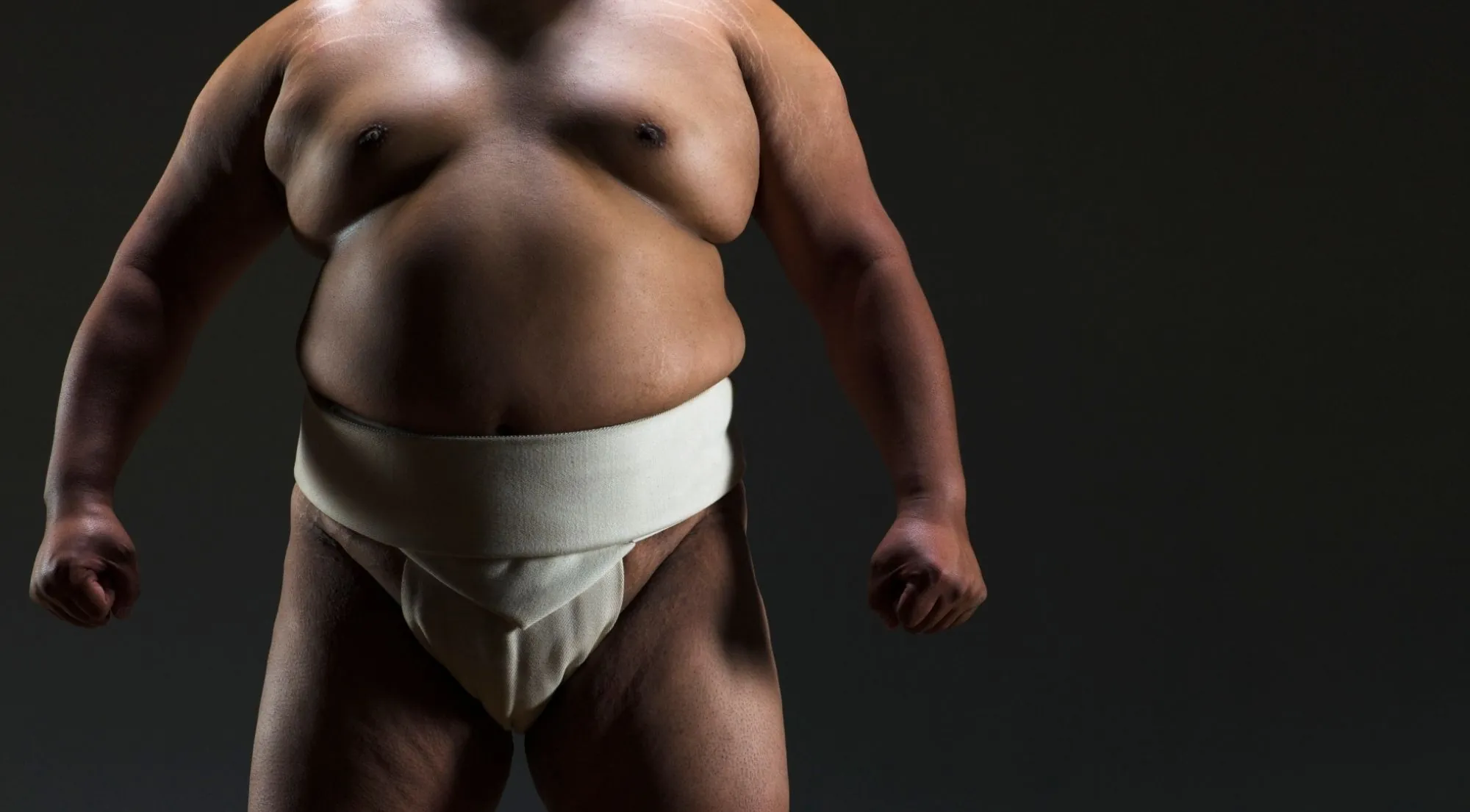
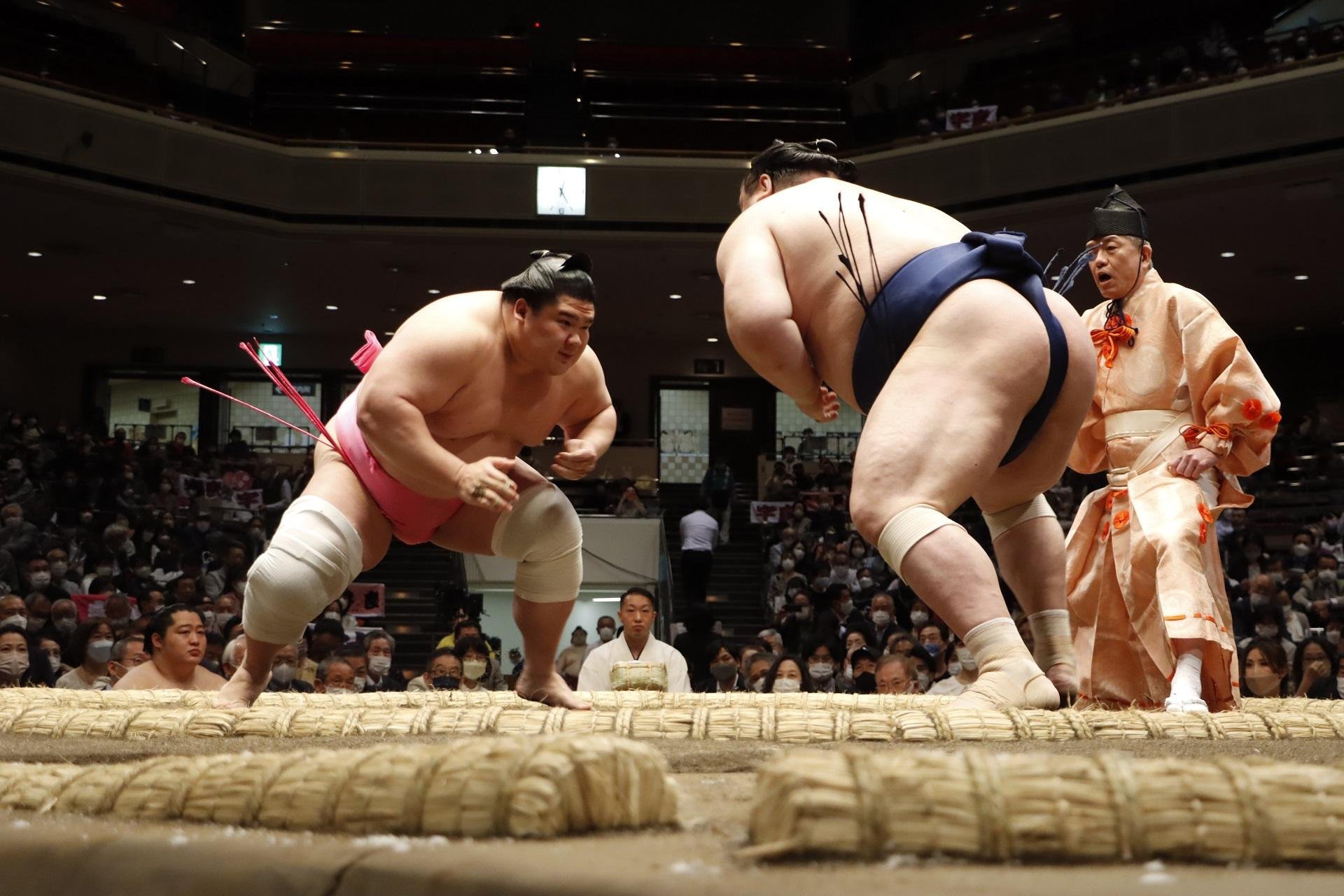
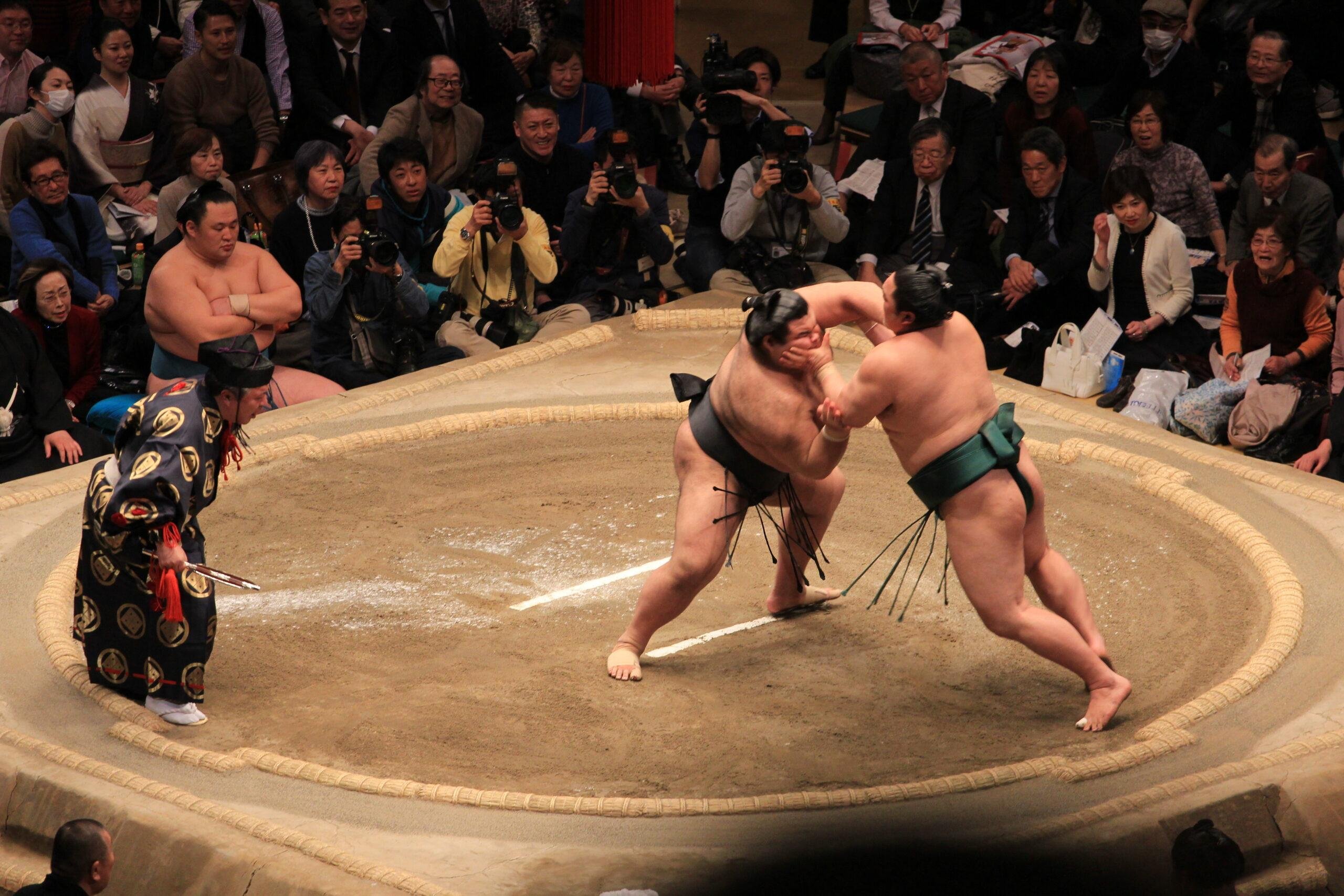
Photo Gallery
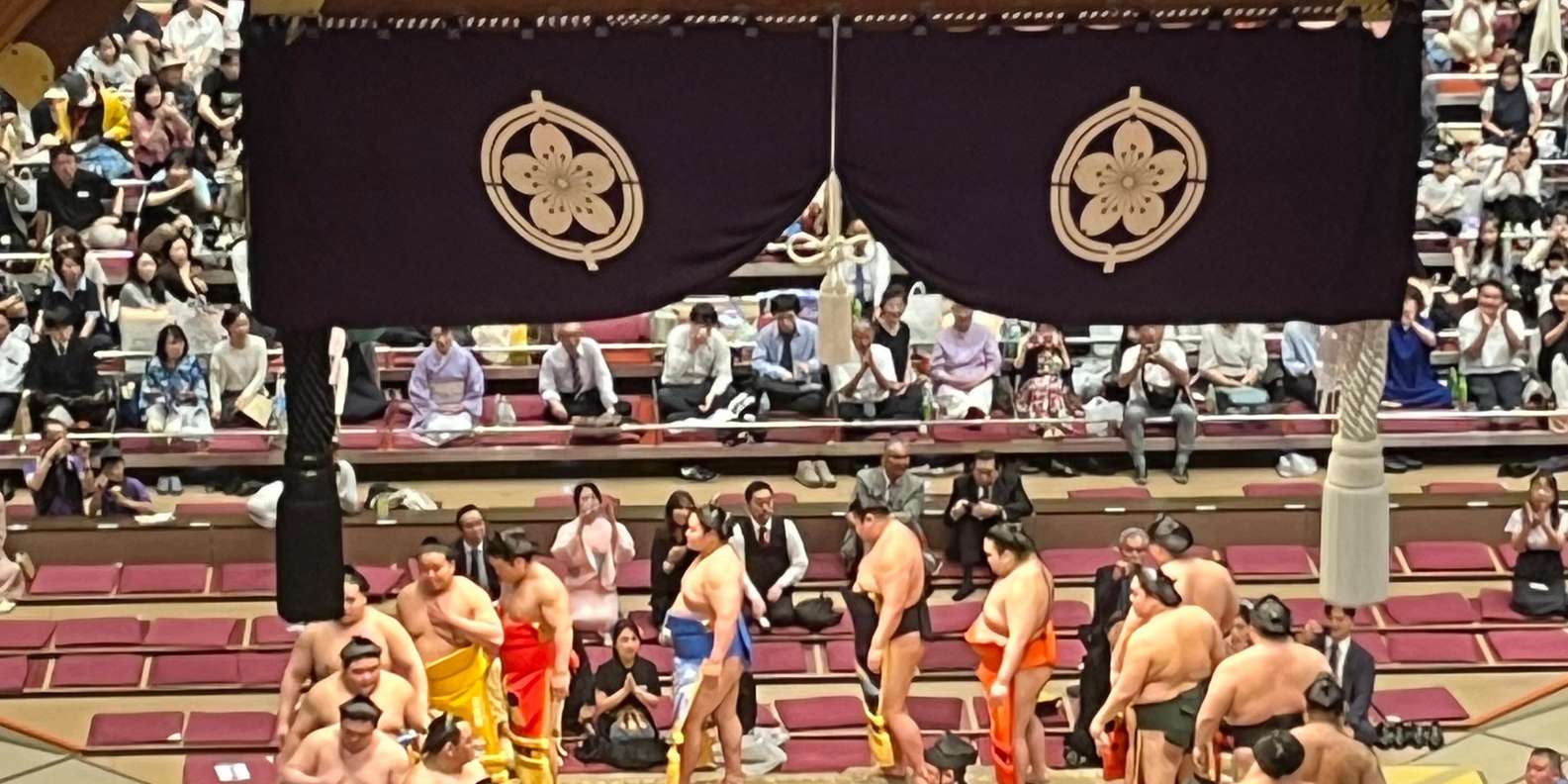
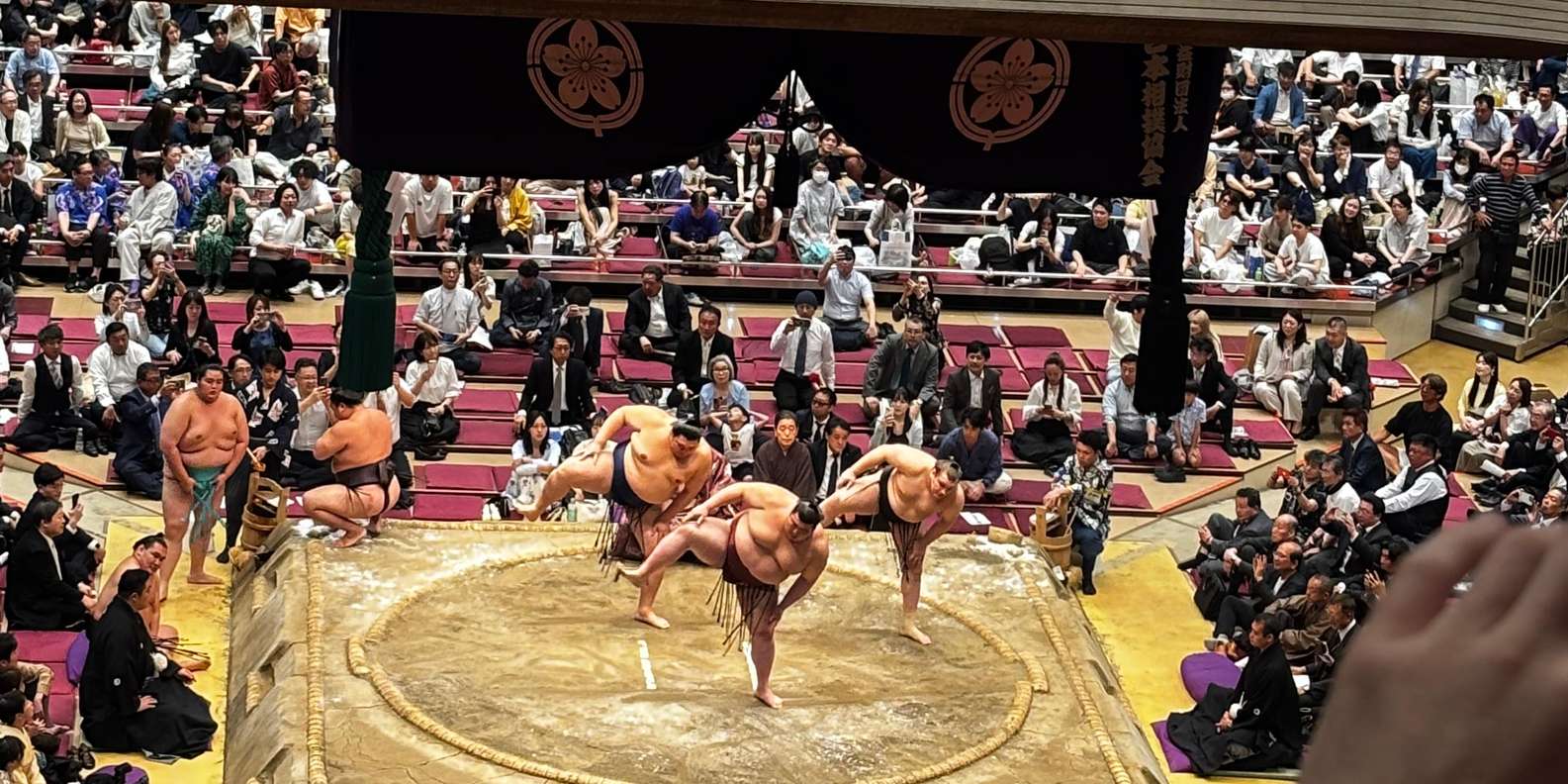
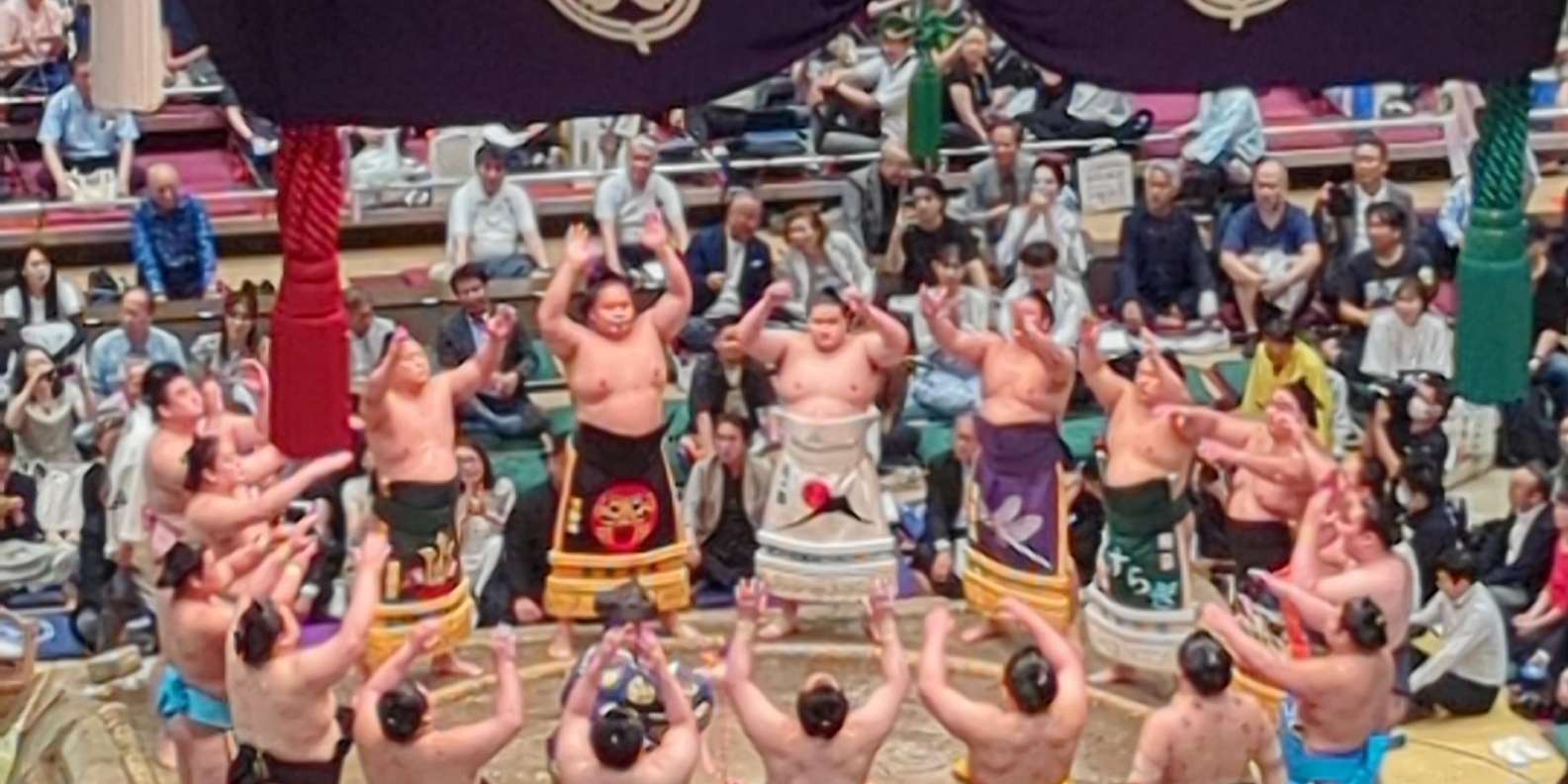
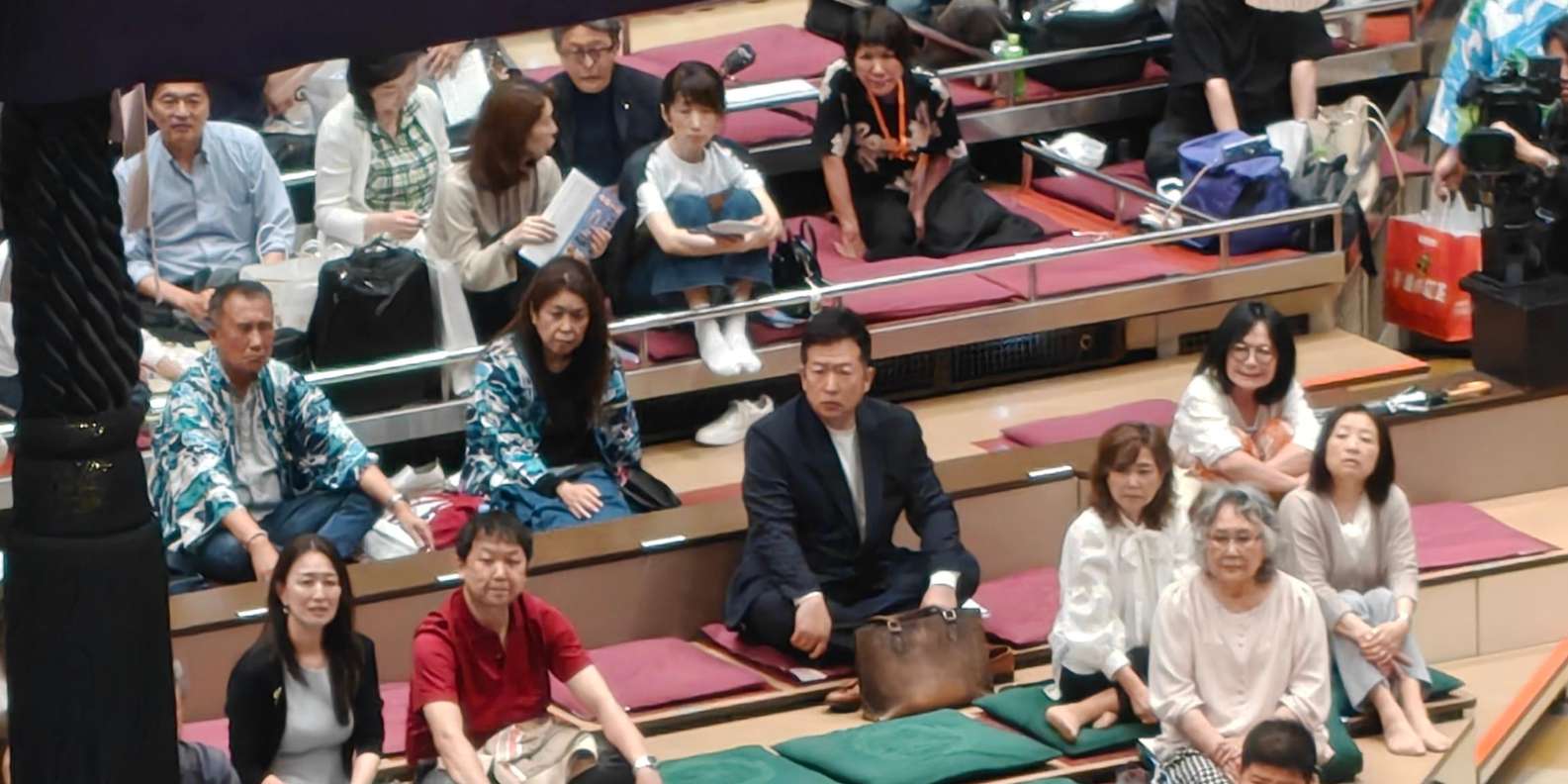
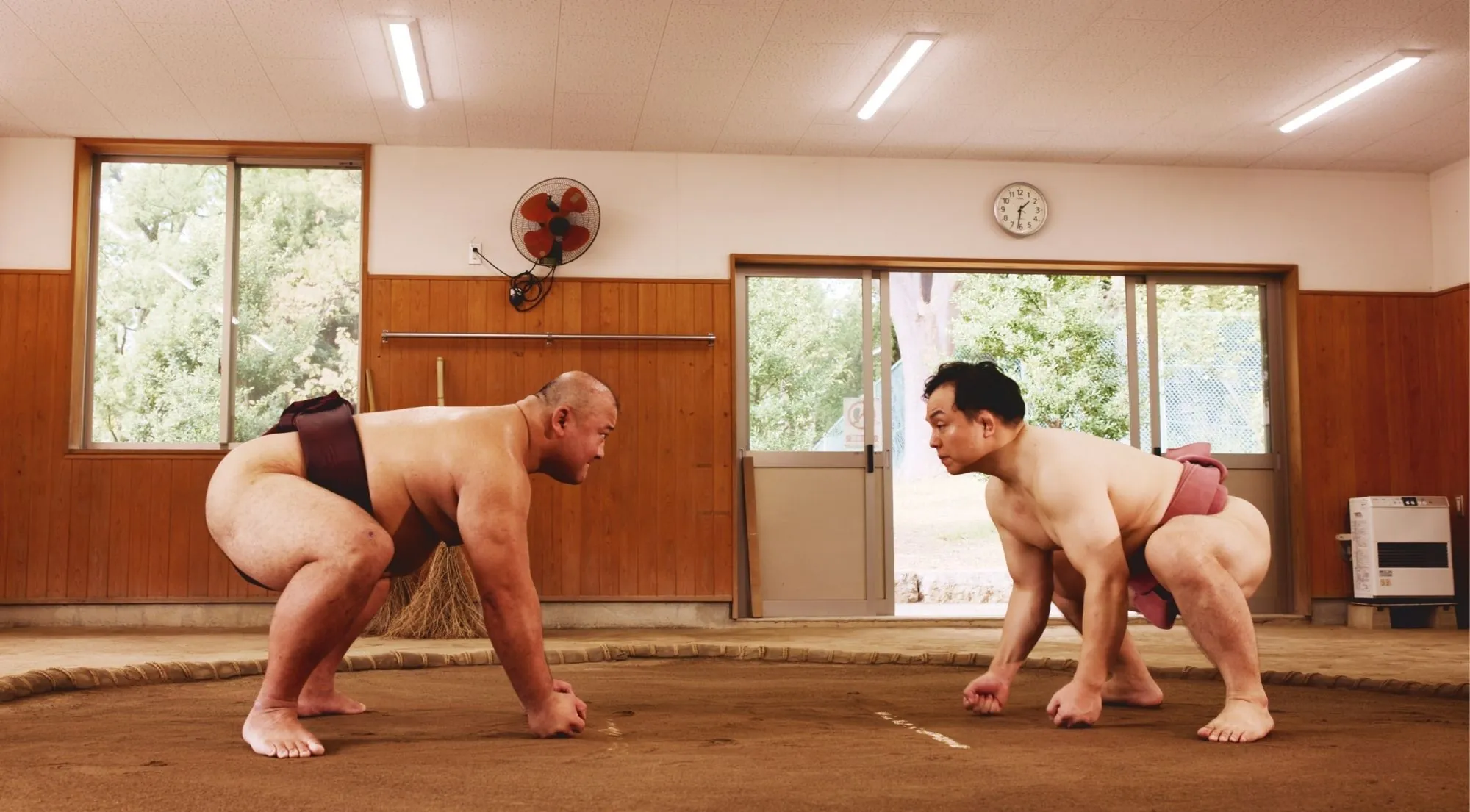
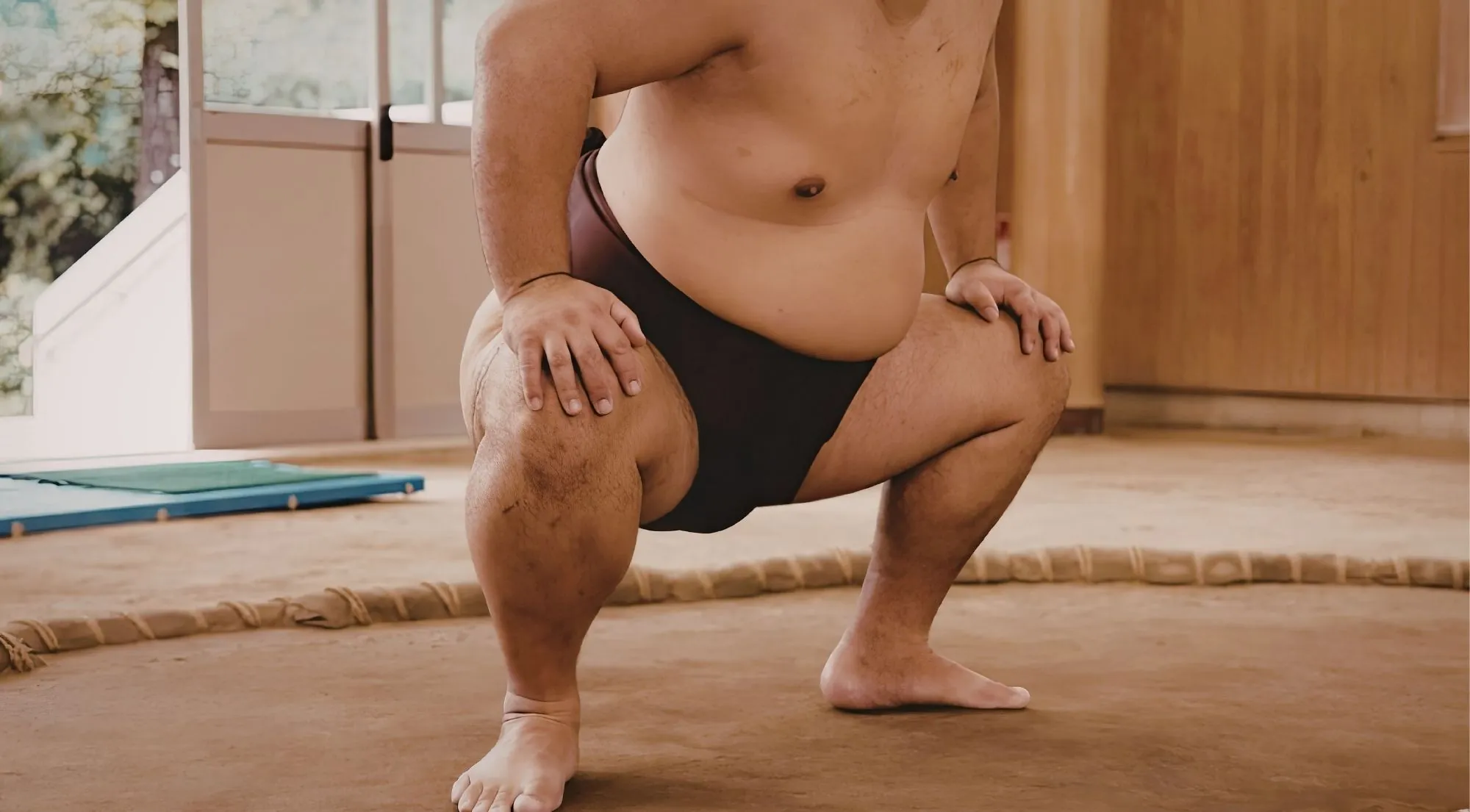
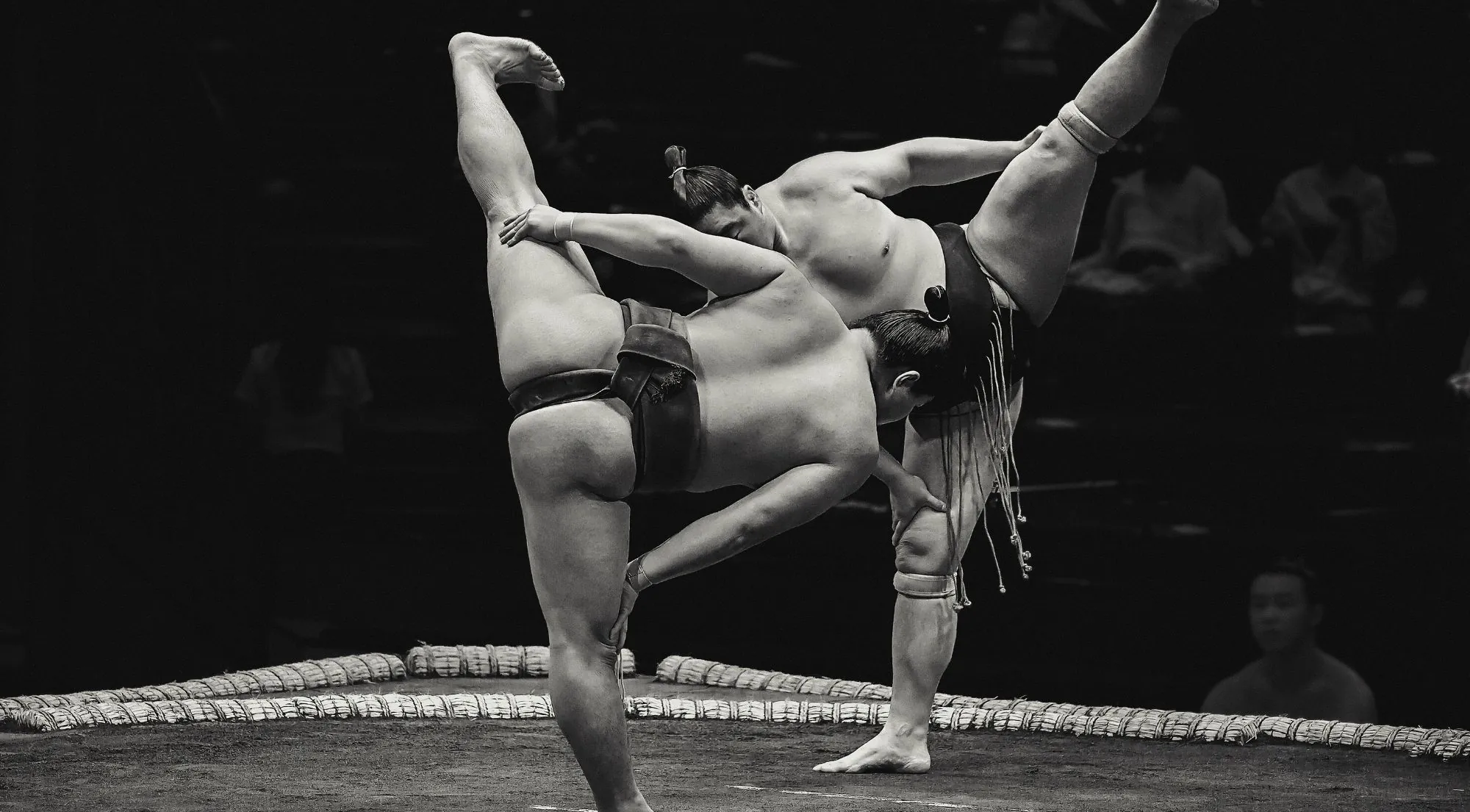
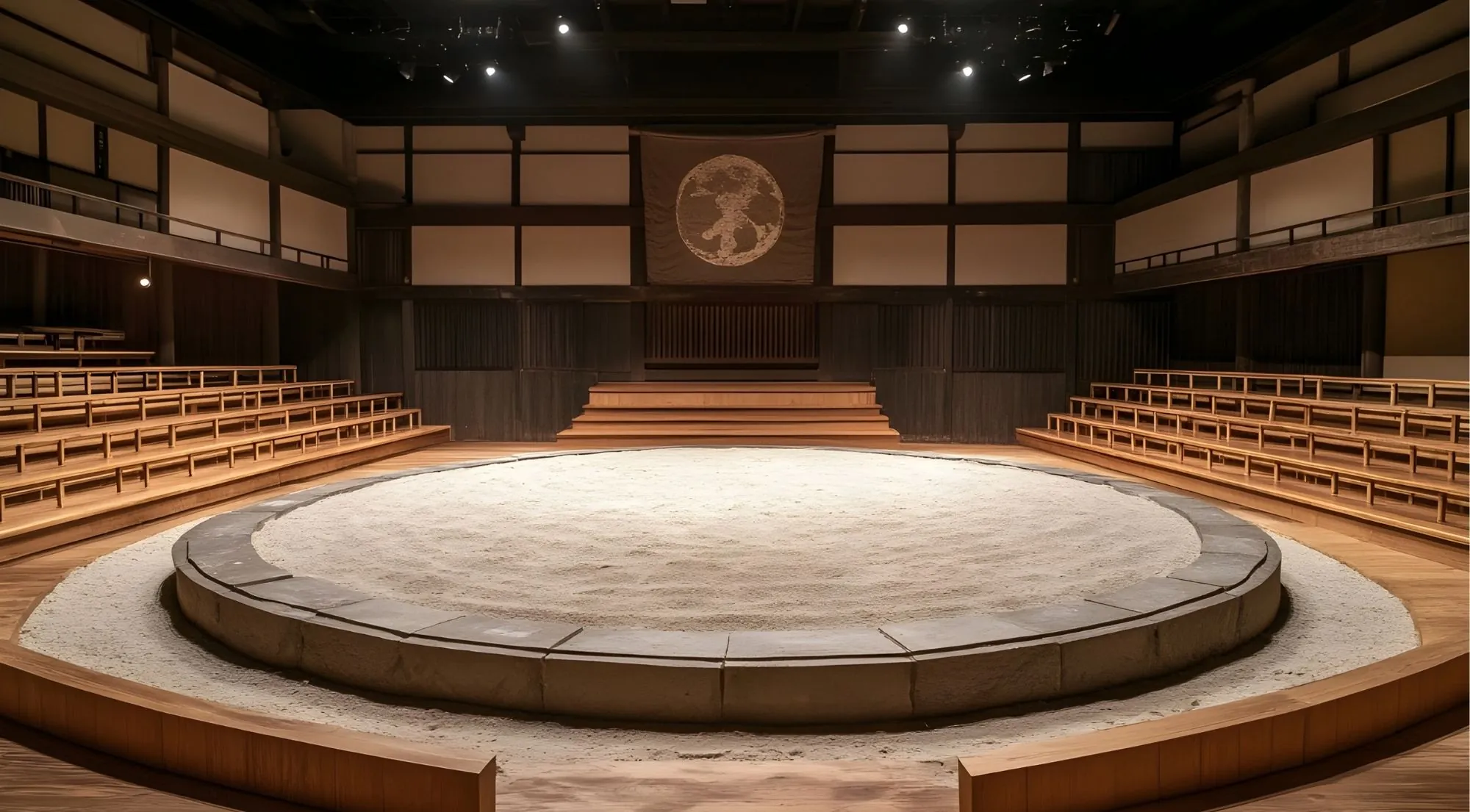
The dohyo, the ritual, and the crowd on a live tournament day.
Book Your Experience
Select your preferred date and time. Instant confirmation — free cancellation up to 24 hours before departure.
Every option is a licensed operator with verified reviews — pick the one that matches your dates and travel style.
| Feature | Most Authentic Tournament Tickets | Most Flexible Show & Dinner | Most Intimate Morning Practice | Most Interactive Try Sumo Lesson |
|---|---|---|---|---|
| Best for | Seeing real competition | Any day of the year | Pre-dawn authenticity | Physically trying it |
| Starting Price | From $186 | From $65 | From $86 | From $166 |
| Availability | Only during honbasho (6x/year) | Daily | Most weekday mornings | Most days |
| Cities | Tokyo, Osaka, Nagoya | Tokyo, Osaka | Tokyo | Greater Tokyo (Kawasaki) |
| Advance planning needed | High — book weeks ahead | Low | Medium | Medium |
| Explore | Explore | Explore | Explore |
More Options
Two more guided formats, from a museum-and-match combo to a licensed private guide.
What Makes a Tournament Different
Real competitive sumo, on a fixed 15-day, 6-times-a-year calendar — here's what that means for planning your visit.
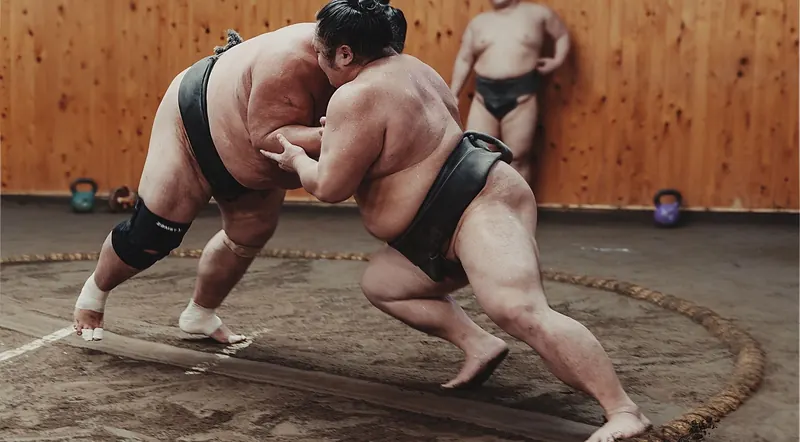
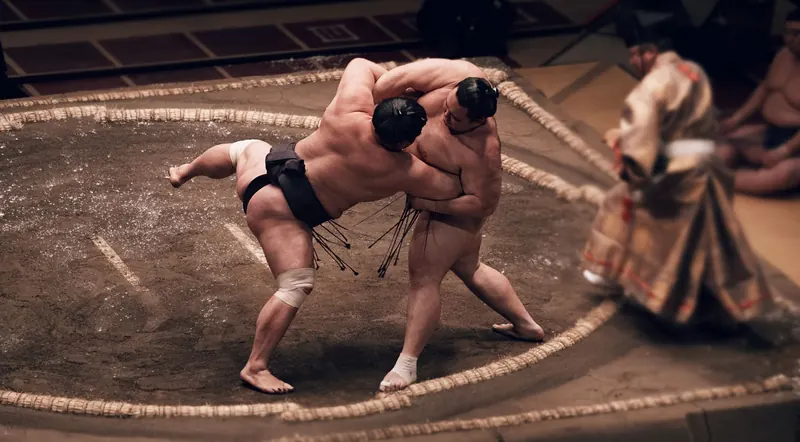
A Grand Sumo Tournament (honbasho) is the one experience on this site that isn’t a demonstration, a show, or a lesson — it’s the actual sport, with real rankings on the line. Two wrestlers who’ve spent months training in their stable step into the dohyo, and the match is usually over in seconds: a shove out of the ring, a trip, a throw. What makes tournament day distinct from every other sumo experience is that nothing about it is staged for tourists — you’re one spectator among thousands of regular fans, watching a competition that would be happening whether you showed up or not.
There are six honbasho a year, each lasting exactly 15 consecutive days, rotating through four cities: Tokyo hosts three (January, May, September) at Ryogoku Kokugikan, Osaka hosts one in March at EDION Arena Osaka, Nagoya hosts one in July, and Fukuoka hosts one in November at the Fukuoka Kokusai Center.
Nagoya’s July 2026 tournament is the newest venue on the circuit: the IG Arena, which opened in 2025 (designed by Kengo Kuma) with a maximum capacity of around 17,000 — the largest dedicated sumo venue outside Ryogoku Kokugikan itself, replacing a gymnasium that had hosted the Nagoya basho for over 60 years.
That means your travel dates either overlap one of these six 15-day windows in one of these four cities, or they don’t. If they don’t, a sumo show (see our sumo show & dinner guide) is the honest year-round alternative — it isn’t a substitute for the real competition, but it’s the closest thing available outside a basho.
You’ll notice we never call these “official tickets” on this site. None of the guided tournament products featured here are sold directly by the Japan Sumo Association’s own box office — they’re licensed tour operators (Japan Wonder Travel, True Japan Tour, H.I.S., among others) holding a sanctioned allocation of seats, which they sell bundled with an English-speaking guide and, often, a walking tour of Ryogoku beforehand. The seats and the tournament are entirely real; you’re simply booking through an established operator instead of navigating Japan’s ticket system yourself, which historically ran through a network of chaya (teahouses) that brokered seating access — a system whose informal spirit still shows up in how tournament tickets get distributed today.
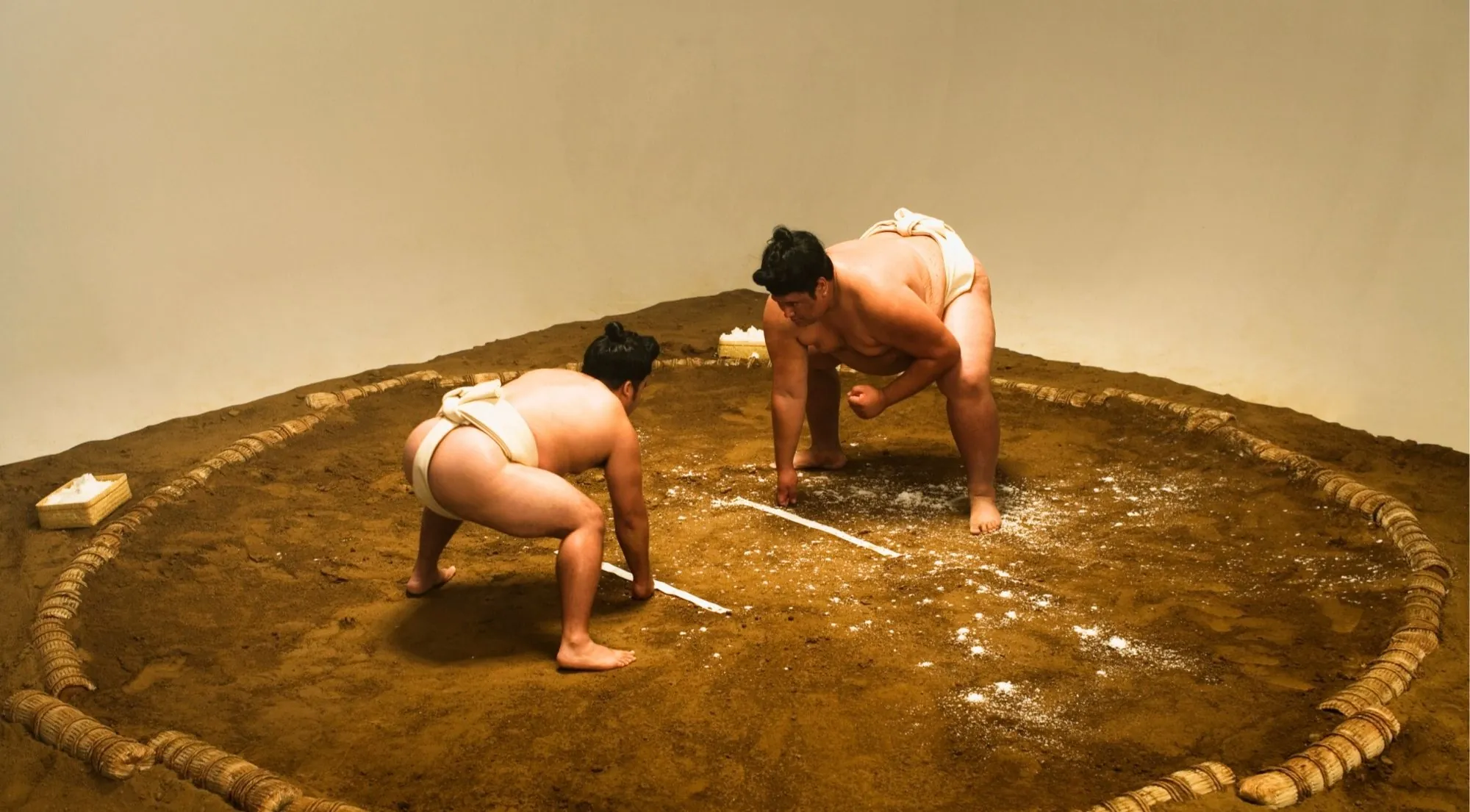
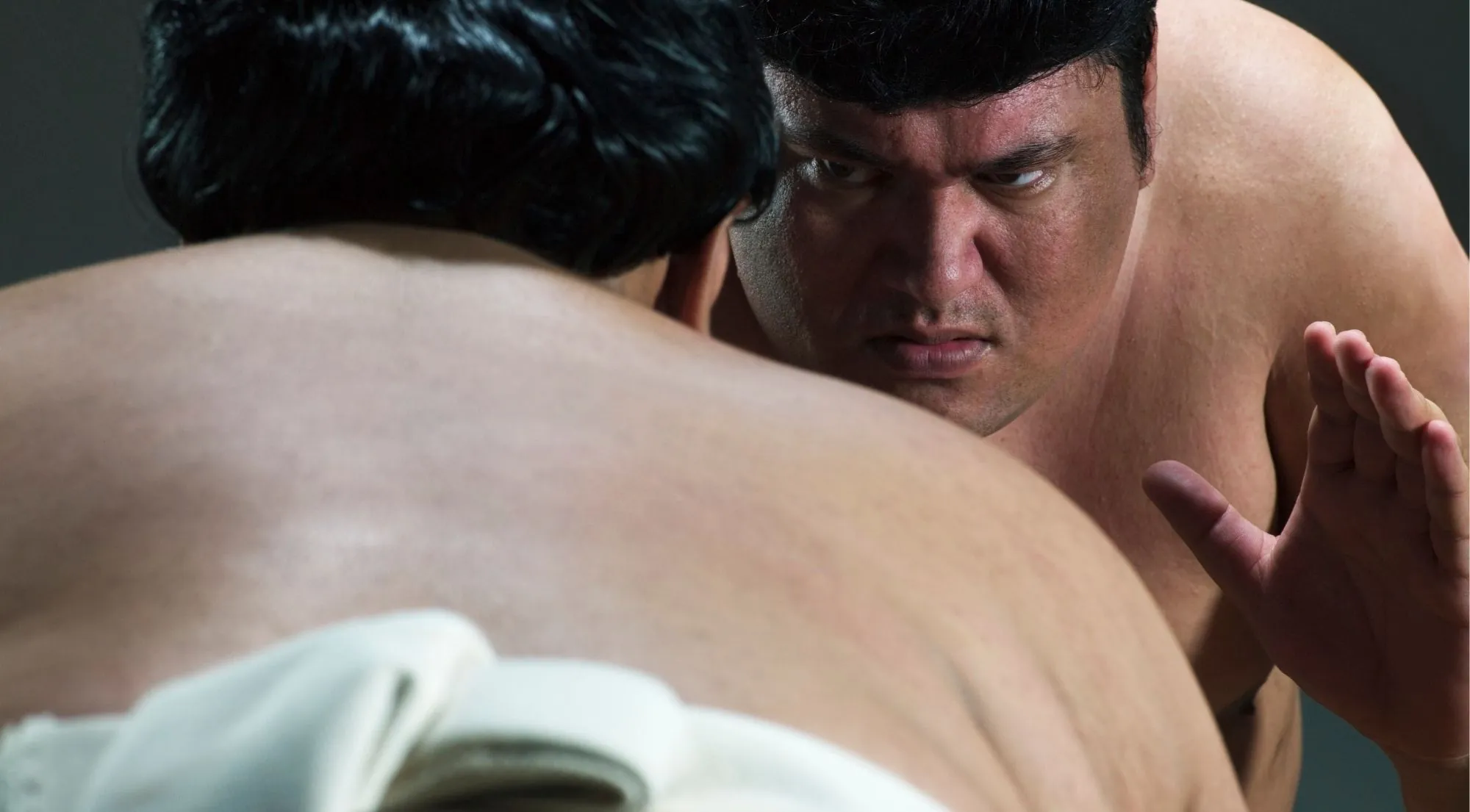
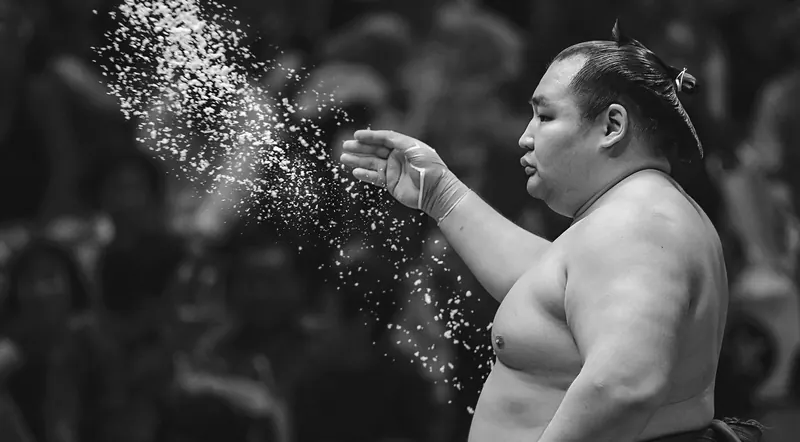
Tournament days follow a predictable rhythm. Lower-ranked wrestlers compete earlier in the day to a thinner crowd; by mid-afternoon, the arena fills for the ring-entering ceremonies — first the Makuuchi (top-division) wrestlers in a procession of ornate ceremonial aprons, then a separate, more elaborate ceremony for any Yokozuna (grand champions) competing that basho. The Makuuchi matches themselves run from roughly mid-afternoon until around 6:00 PM, each bout preceded by a ritual of salt-throwing and psyching-out stare-downs that can last longer than the match itself.
Most guided tickets put you in 2nd-floor Western-style chair seats rather than the traditional ringside box seats (which are floor cushions, sold separately and rarely available to guided groups). You won’t be able to choose your exact seat number within your class, and re-entry to the venue is typically allowed only once if you step out.
This is for travelers whose trip dates genuinely overlap a honbasho and who want the real competitive sport, not a demonstration. It rewards patience — a tournament day is a multi-hour sit, mostly in a fairly formal, quiet crowd (loud cheering happens, but it’s not a rock concert). It’s less ideal for very young children, who may find hours of seated spectating long, and for wheelchair users, since Ryogoku Kokugikan has steep stairs and no elevators to the upper-floor seating most guided tickets use — check accessibility notes on your specific listing.
If your dates don’t line up with a tournament, don’t force it — a sumo show delivers real technique and ritual on any day of the year, and a morning practice visit gets you physically closer to the wrestlers than most tournament seats do. Compare all four experience types if you’re not sure which fits your trip.
Guest Reviews
"Must do for all Tokyo visitors . Thrill of a kind. Seven stars 👍"
"Kaz was very knowledgeable and enthusiastic and told us a lot about the rules/rituals for sumo and the different wrestlers. We thoroughly enjoyed the whole experience. One comment would be that as the activity in the arena started in the morning and the seats were available from then, it would have been good to have been able to go into the arena earlier and have the opportunity to see everything taking place."
"Guide was great at explaining everything. We had a great time"
"Mako was the cutest little lady. A wonderful guide. Great insight into the sport, the culture, and the wrestlers themselves. Elite energy, elite guide. Bring cash and don’t try to buy merch after or towards the end of the tournaments."
"Tour was great, very informative and fun. We wouldn’t not have had such an informative experience had we not booked this experience. Kay and the other guide (I cannot recall her name) took their time to provide information and explain sumo history, details about the tournament and each fighter. Our family loved it."
"The tour was so great. Robert our tour guide gave us so much information about sumo wrestling and its history. He gave is phamlets to take home and also gave us detailed information about the fighters on the day, who to look out for and which fight number we were up to at each round. It was an amazing experience."
"not sure it could have been better it was exactly as I hoped. Sho was wonderful, knowledge and entertain, and enthusiastic. the event was great. I'd do it again."
"it was really fun to see sumo in a festival setting! the guide was really passionate about sumo and knew when a sertain wrestler came into the ring and told some facts about them, or in wich rank they were playing. we also saw Atamifuji, an upcoming star and the guide made sure we could make a picture with him and the group!"
Read all 1026 verified reviews
See All ReviewsCompare tournament tickets, sumo shows, morning practice, and hands-on lessons — verified operators, real reviews, free cancellation on most experiences. Starting from $186 per person.
Explore Sumo ExperiencesCan't Make These Dates?
Find a tour that fits your schedule — all with instant confirmation and free cancellation.
Everything you need to know before booking guided tournament seats.
There are 6 honbasho a year, each running 15 consecutive days: Tokyo in January, May, and September (Ryogoku Kokugikan); Osaka in March (EDION Arena Osaka); Nagoya in July (the new IG Arena); and Fukuoka in November (Fukuoka Kokusai Center). Outside these 15-day windows in each city, there is no live tournament to attend — a sumo show is the year-round alternative. See our full 2026 tournament calendar for exact dates.
Most guided tickets on this site include 2nd-floor Chair Seats (A, B, or C class depending on the plan) — Western-style chairs rather than the traditional floor cushions used in the ringside box seats. Specific seat numbers within your class usually can't be chosen, and staff will do their best to seat members of the same booking together, though it isn't always guaranteed.
It includes a real, live Grand Sumo Tournament match day — your reserved seat inside the arena for that day's top-division bouts. Several of our tournament-ticket tours also add a guided walking tour of the historic Ryogoku district (Eko-in Temple, the former Yasuda Garden, the Sumo Museum) before you're escorted to your seat.
These are seats sold through licensed tour operators holding a sanctioned seating allocation, not tickets purchased directly from the Japan Sumo Association's own box office. The seats and the tournament are entirely real — you're simply booking through an established, English-language-friendly operator instead of navigating the Japanese-language ticket system yourself.
Some tour listings cover both cities within the same product — you select the city and date that matches your trip when you book, since Tokyo and Nagoya host their tournaments in different months (Tokyo: Jan/May/Sep; Nagoya: Jul).
A typical guided tournament experience runs about 2–3 hours including the pre-match guided walking portion, plus your time seated for the live matches themselves — tournament days run from around midday until roughly 6:00 PM, with the featured top-division (Makuuchi) bouts concentrated in the late afternoon. See our full hour-by-hour guide to tournament day.
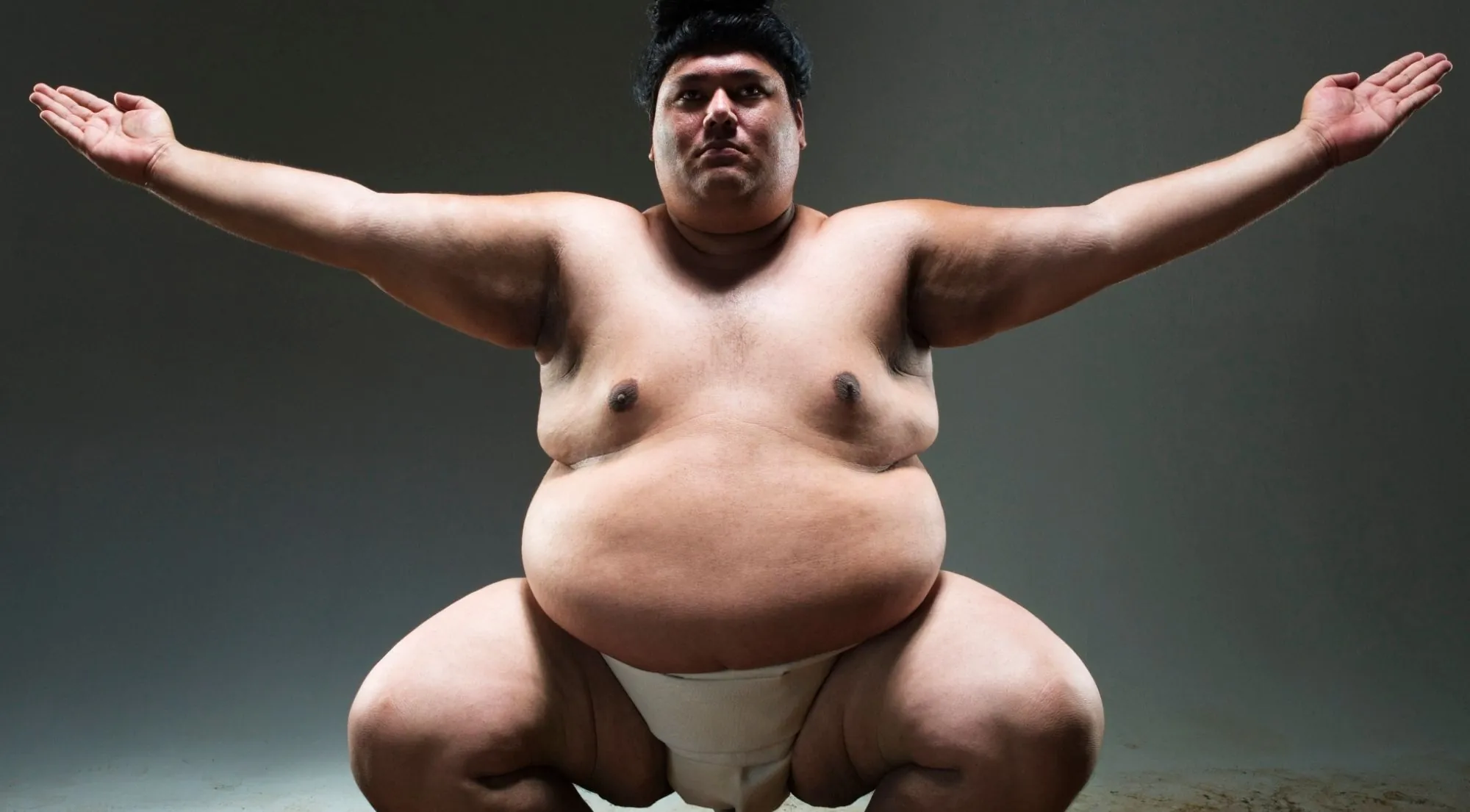
The dohyo-iri (ring-entering ceremony) is a ritual procession where top-division wrestlers enter the ring in ornate ceremonial aprons before their bouts — the Makuuchi division ceremony and the Yokozuna (grand champion) ceremony are separate, highly photographed moments each tournament day, usually mid-to-late afternoon.
Policies vary by operator, but a common pattern is: children roughly 3 and under can join for free on a parent's lap without their own seat, while children 4 and up need their own ticket. Some tournament products don't recommend attendance for wheelchair users due to steep stadium stairs and a lack of elevators at Ryogoku Kokugikan — check the specific listing's accessibility notes before booking.
Typically excluded: hotel pickup/drop-off, meals and drinks (though some venues sell food inside), and gratuities. Large luggage and, on some tickets, baby strollers aren't permitted in the seating area, so plan your day's logistics around that.
Photography policies vary by listing — some tournament tickets restrict photography inside the venue, so check your specific tour's inclusions and restrictions before you go. As a general courtesy, keep phones silent and avoid loitering near wrestler entrances/exits out of respect for other spectators and local residents.
Still have questions? Email us at info@sumo-in-japan.com