"Authentic Suno experience even if you know a lot about sumo. Up close and personal. Makes you appreciate the sport and enhances your appreciation for the wrestlers."
Ryogoku, Tokyo · Pre-Dawn Training
Sumo Morning Practice (Keiko)
Sit just a few feet from real sumo training — an English audio guide explains every ritual and technique as you watch a genuine stable practice session.
From
$86
per person
Free cancellation
- 4.9 / 5 10+ Reviews
- 8 Experiences 4 Cities
- Licensed Guides English-Speaking
- Free Cancellation
The Experience
Why Book a Guided Morning Practice Visit
Fixed schedule, English audio guide, and reliable access — without the DIY etiquette risk.
Highlights
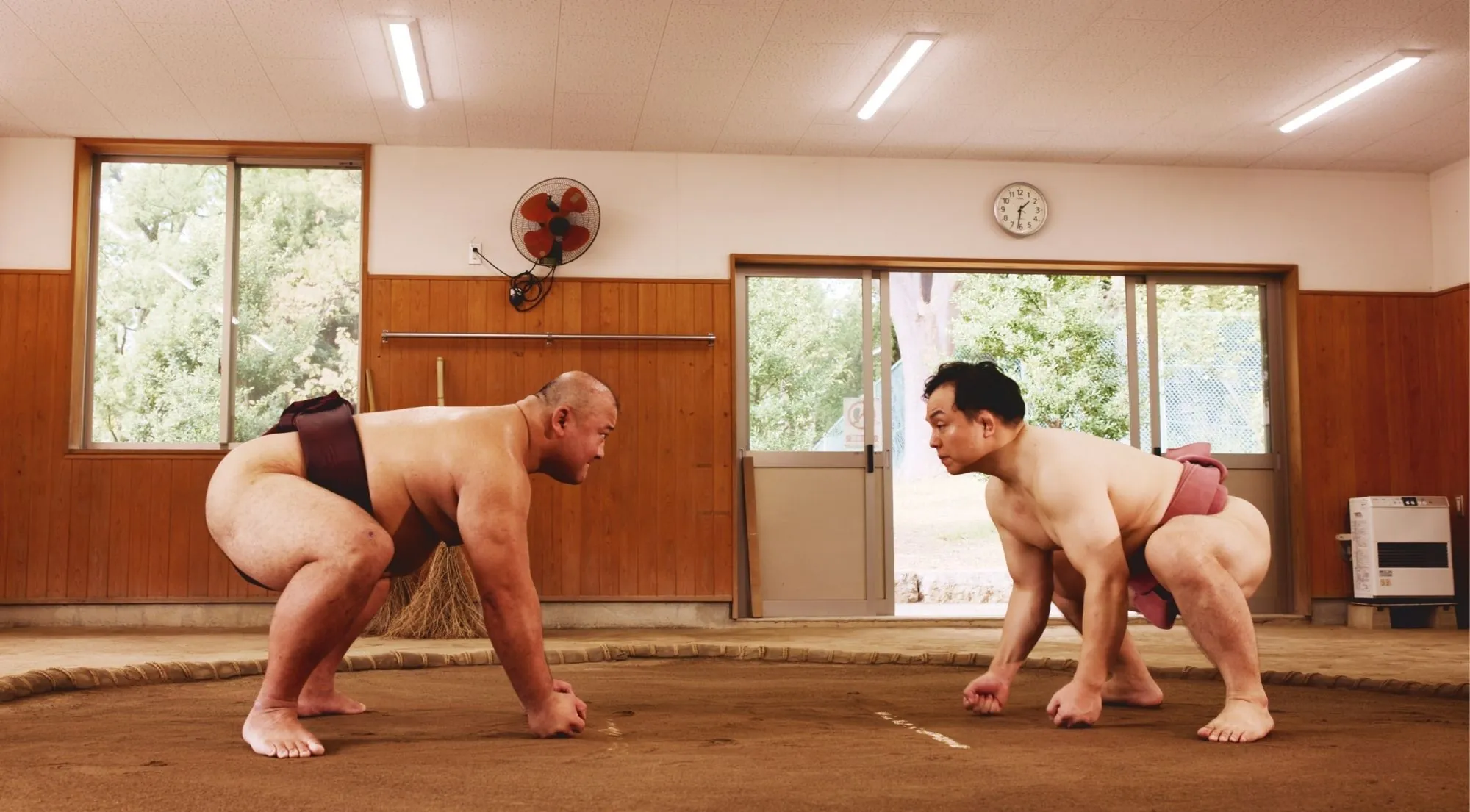
- Feel the excitement of real sumo wrestling as you watch a live training session
- Learn about the history and techniques of sumo with 10+ multilingual audio guide
- Take a photo with sumo wrestlers to capture your experience
- Enjoy a comfortable venue with Aircon, free Wi-Fi and charging stations
- Explore nearby attractions like the Sumo Museum and Tokyo waterfront on foot
What's Included
- Audio guide in 10 languages
- Photo with Sumo wrestlers
- Sumo Keiko explanation Pamphlet
- Guide speaking English, Japanese, and Korean
- Free Wifi and Charging service
How a Morning Practice Visit Works
From an early wake-up to a photo with the wrestlers.
Arrive Early Near Ryogoku Station
The venue sits just 2 minutes from JR Ryogoku Station, next to Ryogoku Kokugikan — arrive on time, since seating is limited and late arrivals get reduced viewing time.
Settle In, Stay Quiet
Take your seat — cushions on the floor, with a limited number of bench chairs prioritized for guests with mobility needs — and switch to silent observation. Talking during training isn't allowed.
Watch Real Training Drills
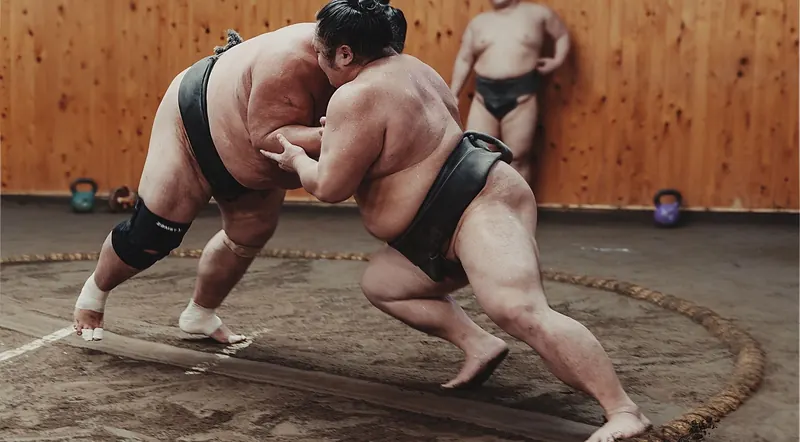
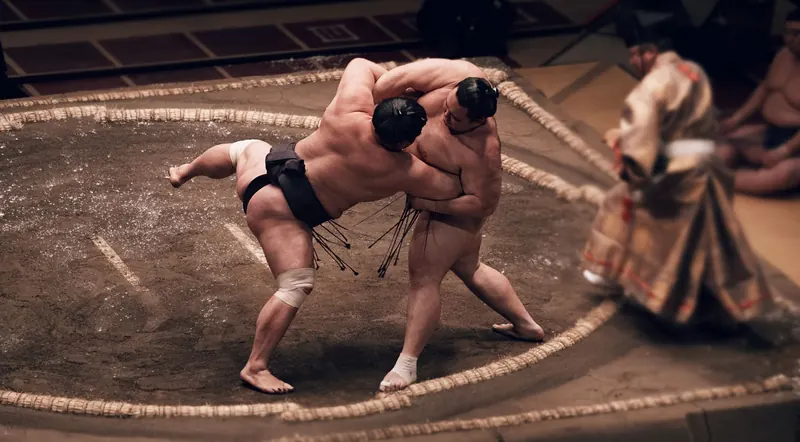
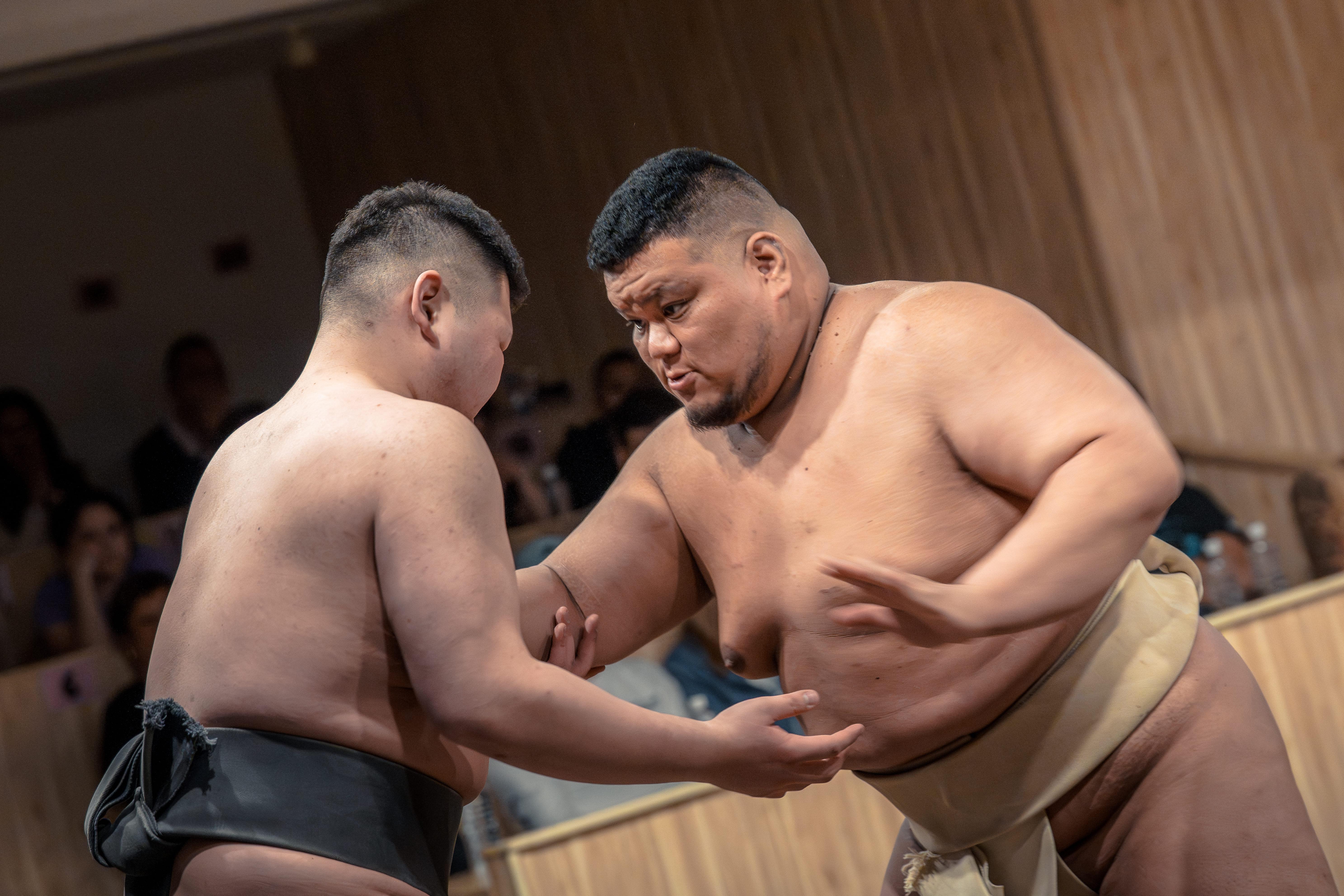
An audio guide (offered in around 10 languages) narrates the shiko stretches, tachiai charge drills, and full-contact grappling as it happens, live.
Photo With the Wrestlers
After the session ends, take a photo with the wrestlers and receive a pamphlet explaining what you just watched.
Photo Gallery
Sumo Morning Practice — Inside the Stable
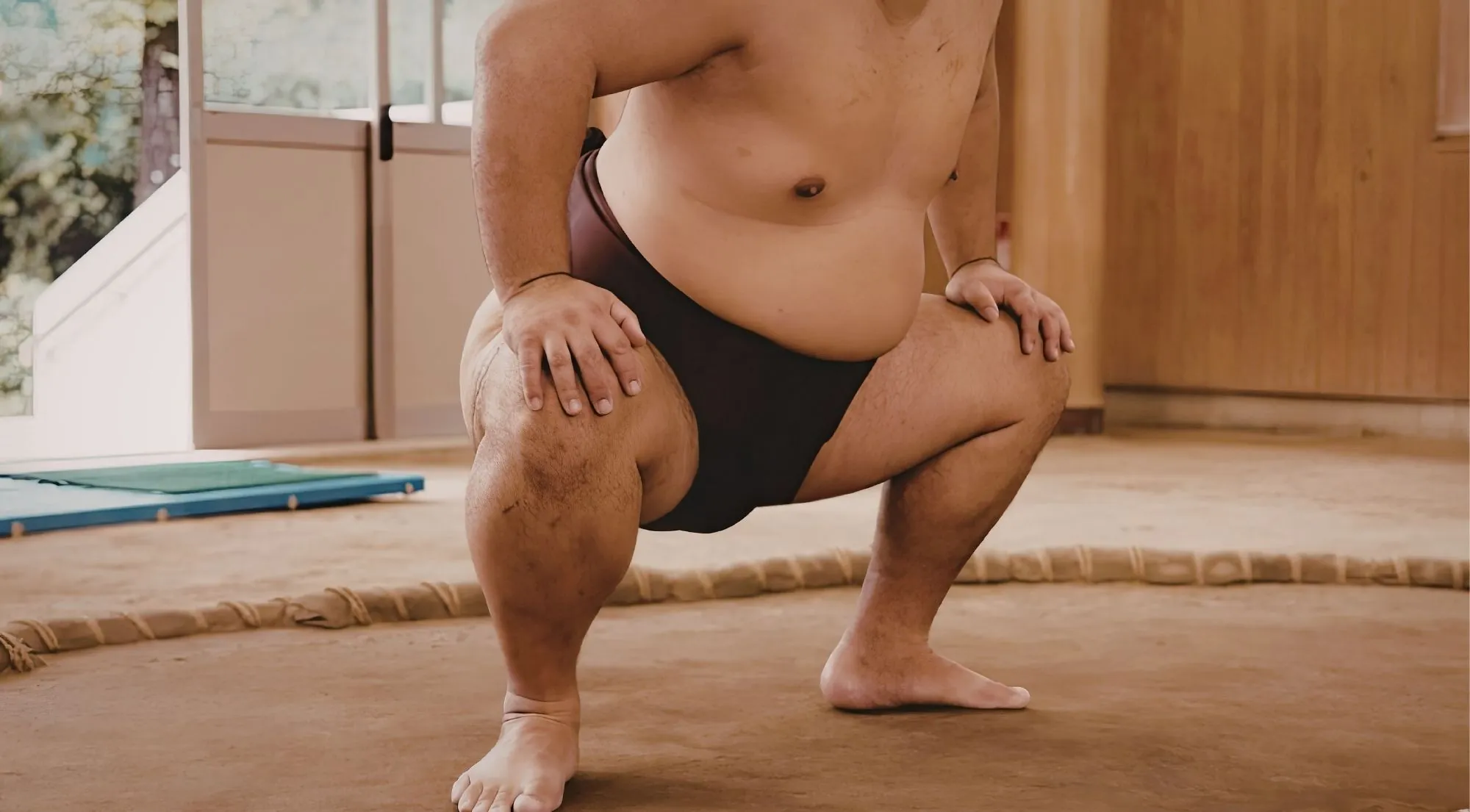
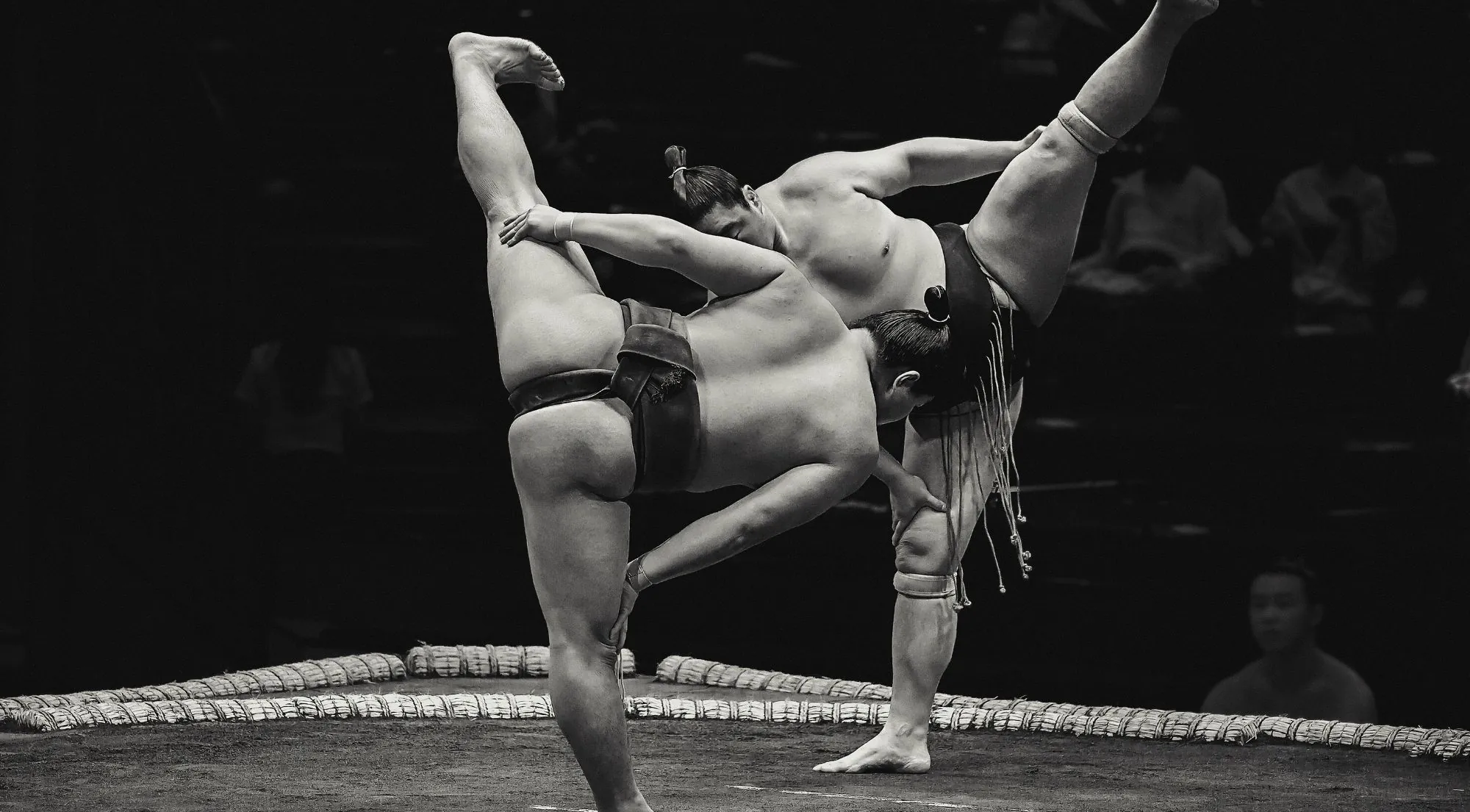
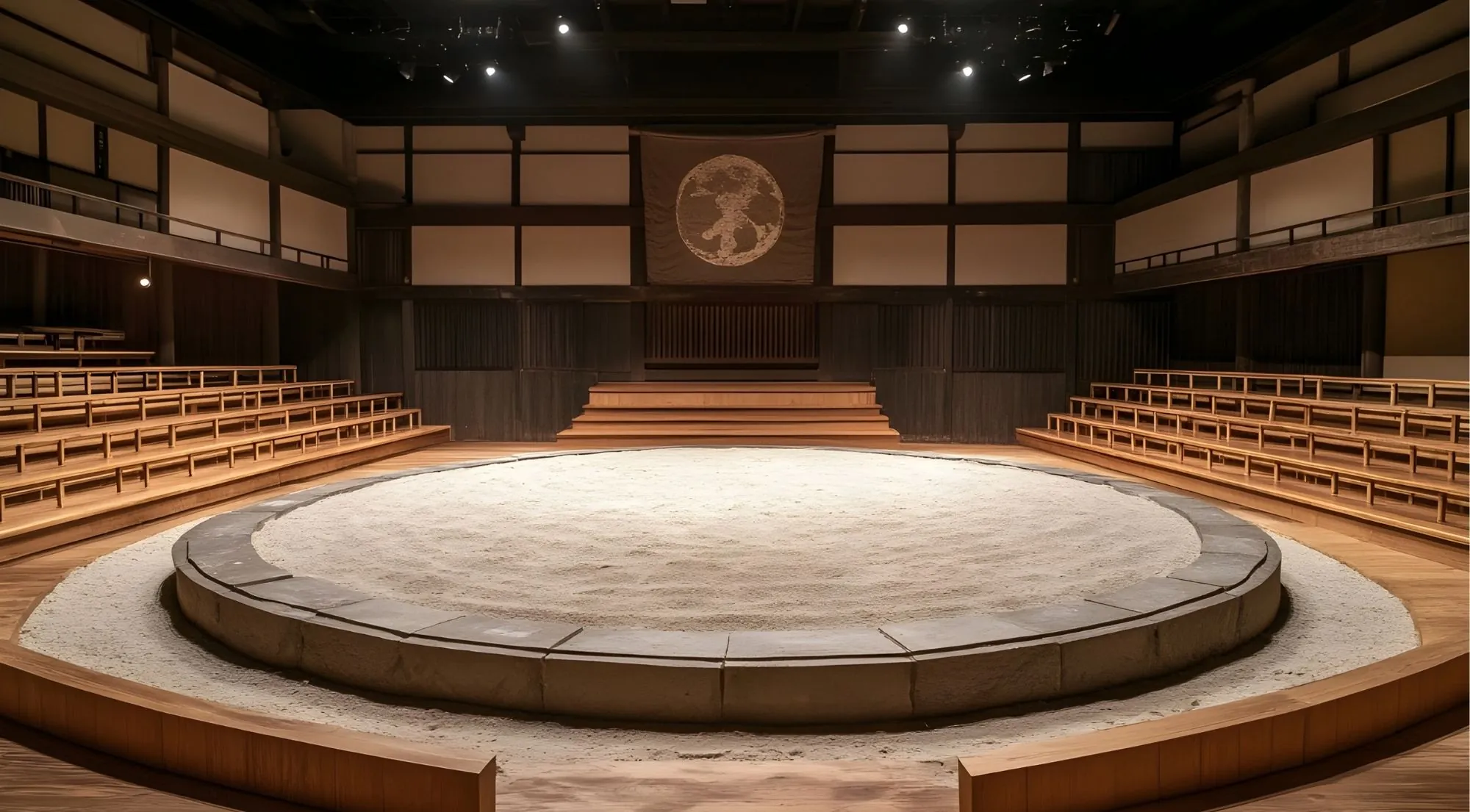
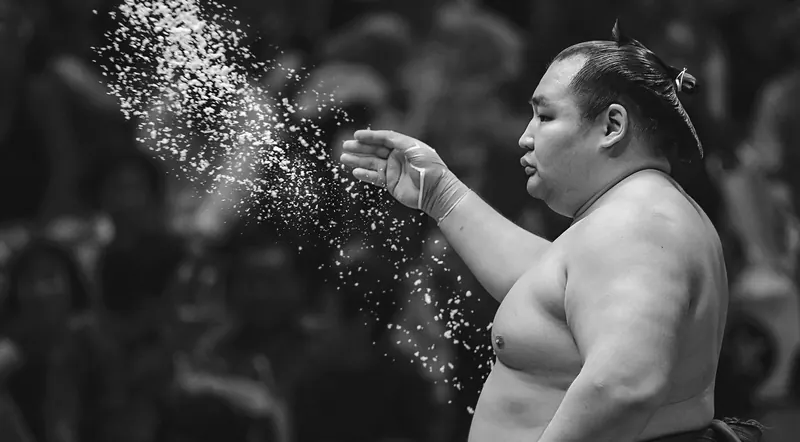
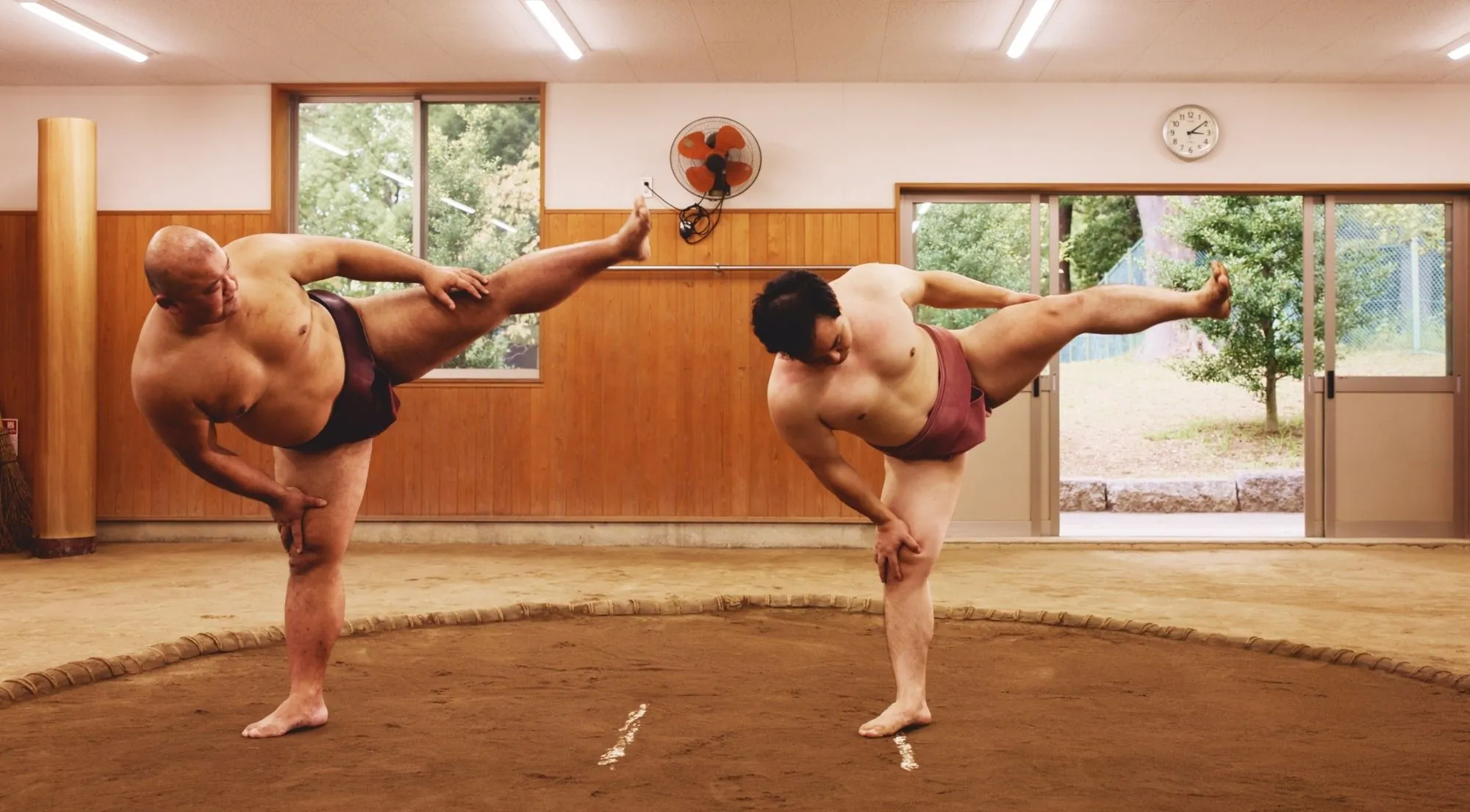
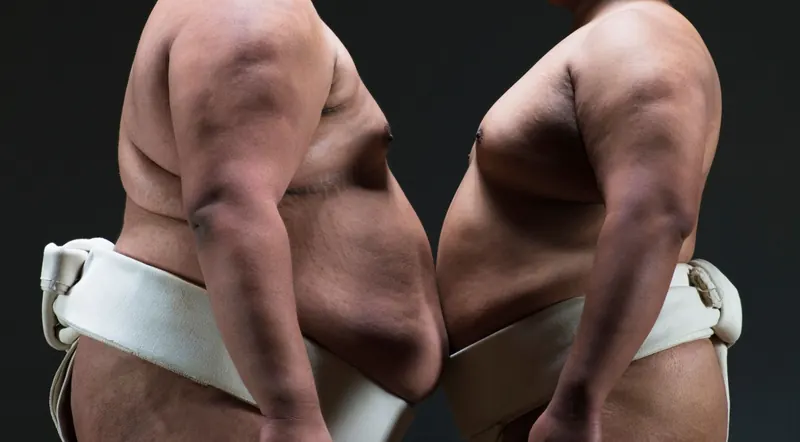
Real training drills, captured a few feet from the dohyo.


Book Your Experience
Check Availability & Prices
Select your preferred date and time. Instant confirmation — free cancellation up to 24 hours before departure.
Compare the 4 Ways to Experience Sumo
Every option is a licensed operator with verified reviews — pick the one that matches your dates and travel style.
| Feature | Most Authentic Tournament Tickets | Most Flexible Show & Dinner | Most Intimate Morning Practice | Most Interactive Try Sumo Lesson |
|---|---|---|---|---|
| Best for | Seeing real competition | Any day of the year | Pre-dawn authenticity | Physically trying it |
| Starting Price | From $186 | From $65 | From $86 | From $166 |
| Availability | Only during honbasho (6x/year) | Daily | Most weekday mornings | Most days |
| Cities | Tokyo, Osaka, Nagoya | Tokyo, Osaka | Tokyo | Greater Tokyo (Kawasaki) |
| Advance planning needed | High — book weeks ahead | Low | Medium | Medium |
| Explore | Explore | Explore | Explore |
More Options
More Sumo Experiences Near Ryogoku
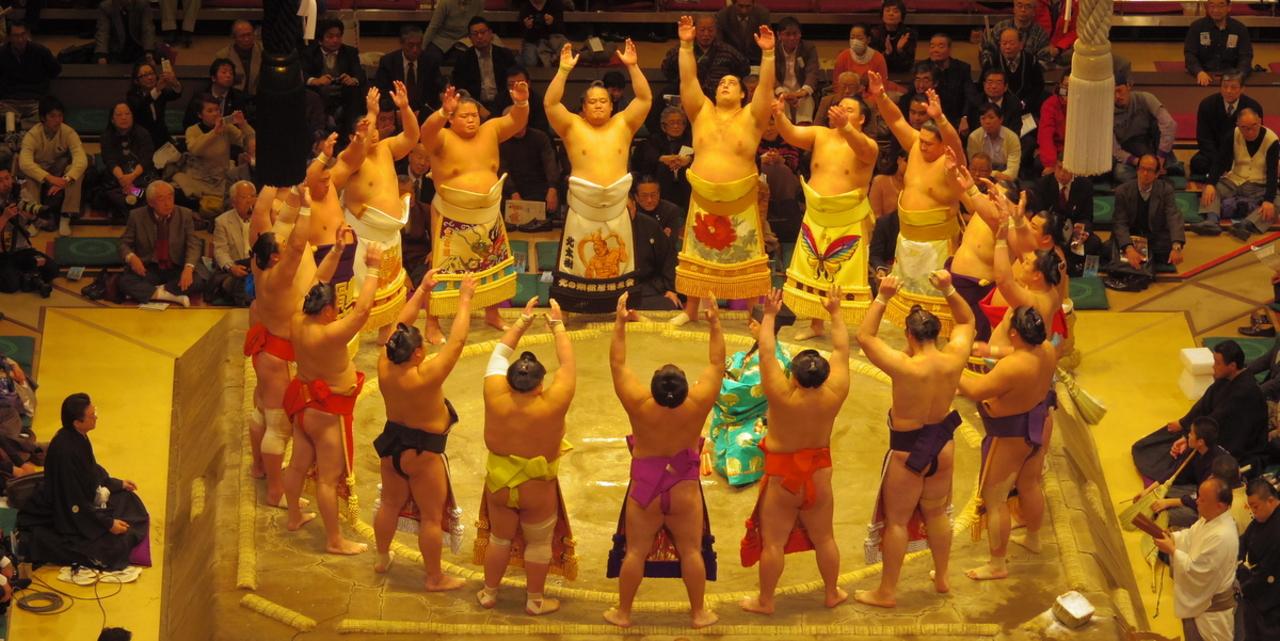
Pair your morning practice visit with a tournament ticket or a sumo show.
 TOURNAMENT TICKETS
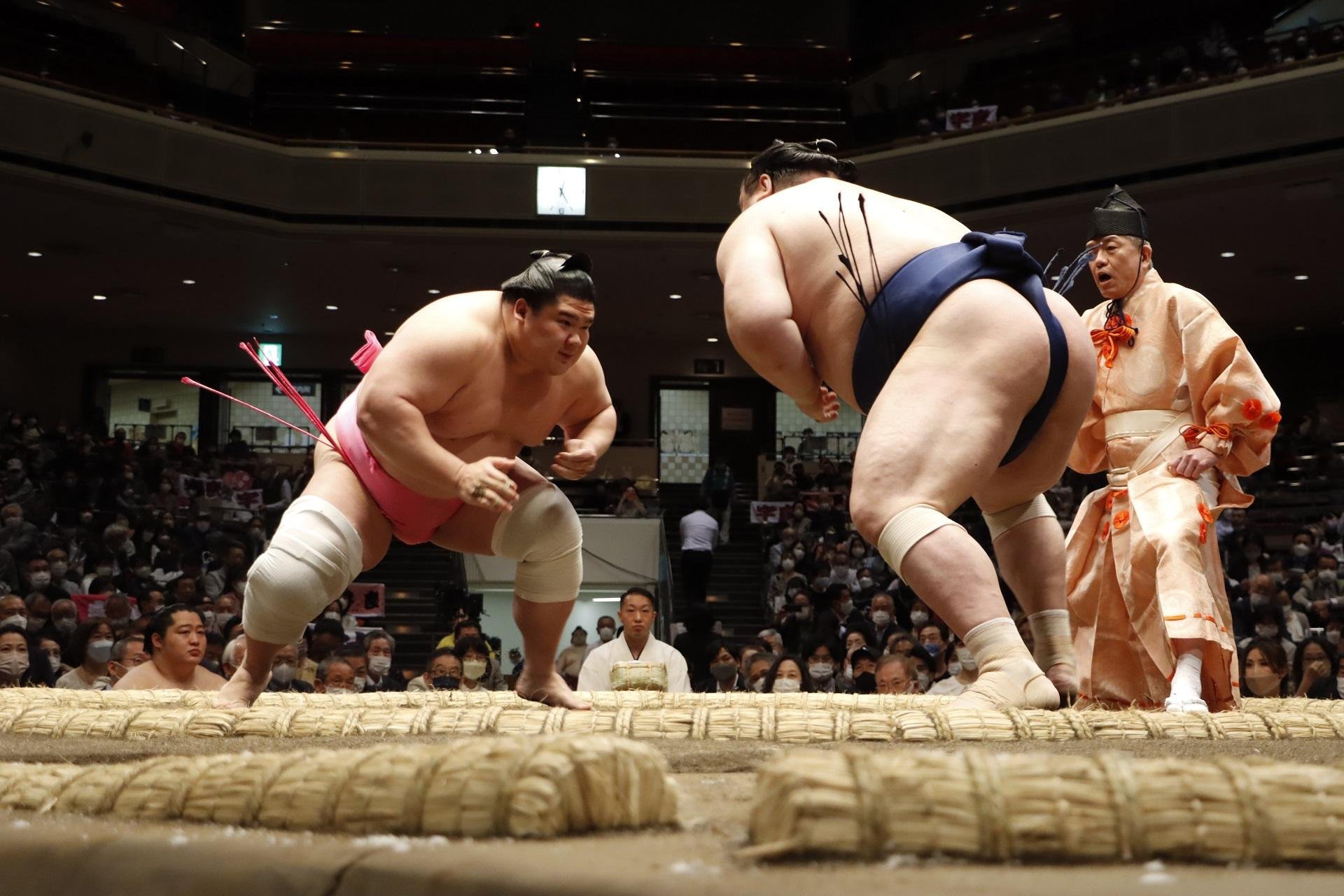
Tokyo: Sumo Tournament Tour with Chair Seat Tickets
 GUIDED WALKING TOUR
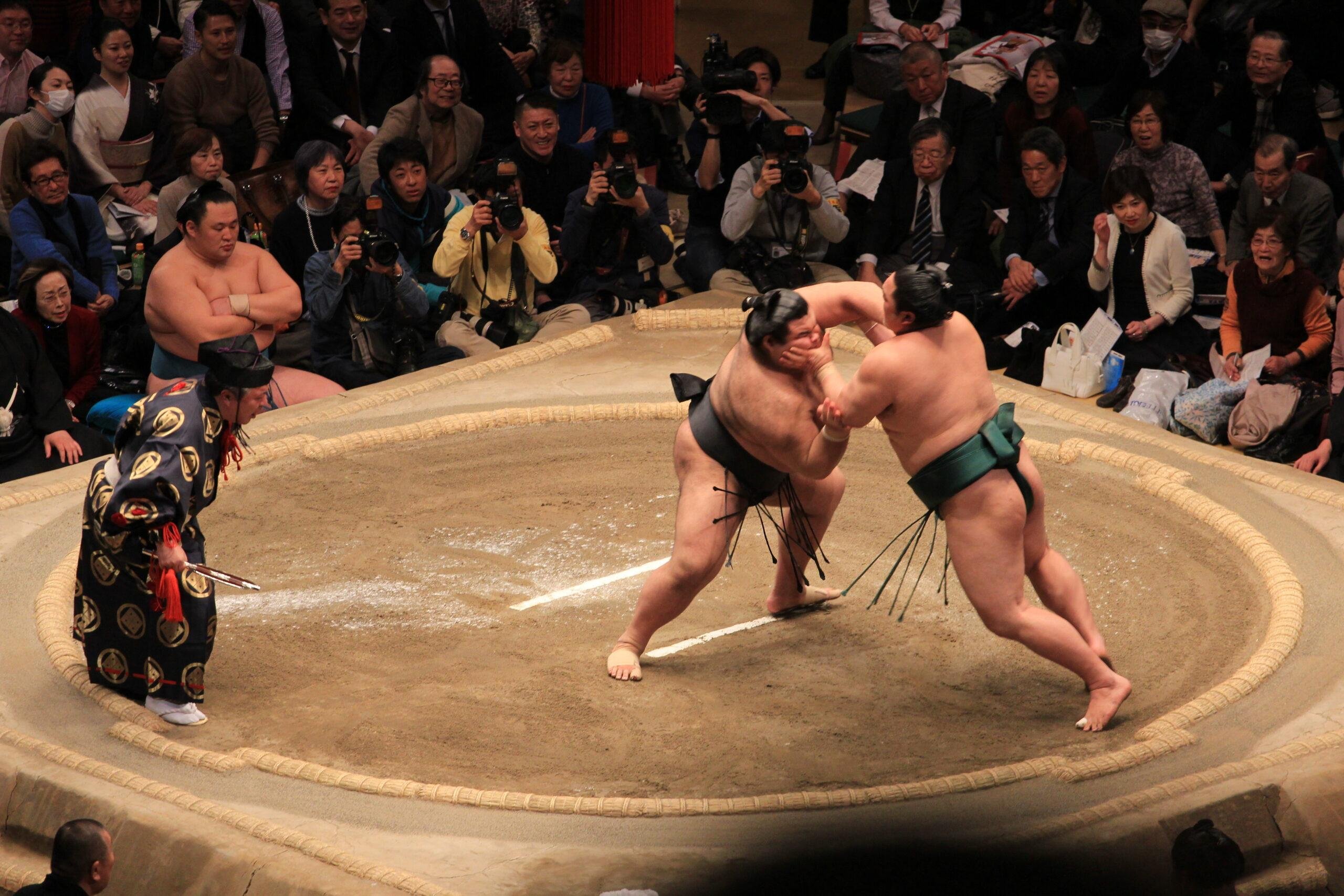
Tokyo: Grand Sumo Tournament Viewing Tour (September, 2026)
 LICENSED GUIDE
Tokyo & Nagoya Grand Sumo Tournament w/ a Licenced Guide
 TOP PICK — SUMO SHOW
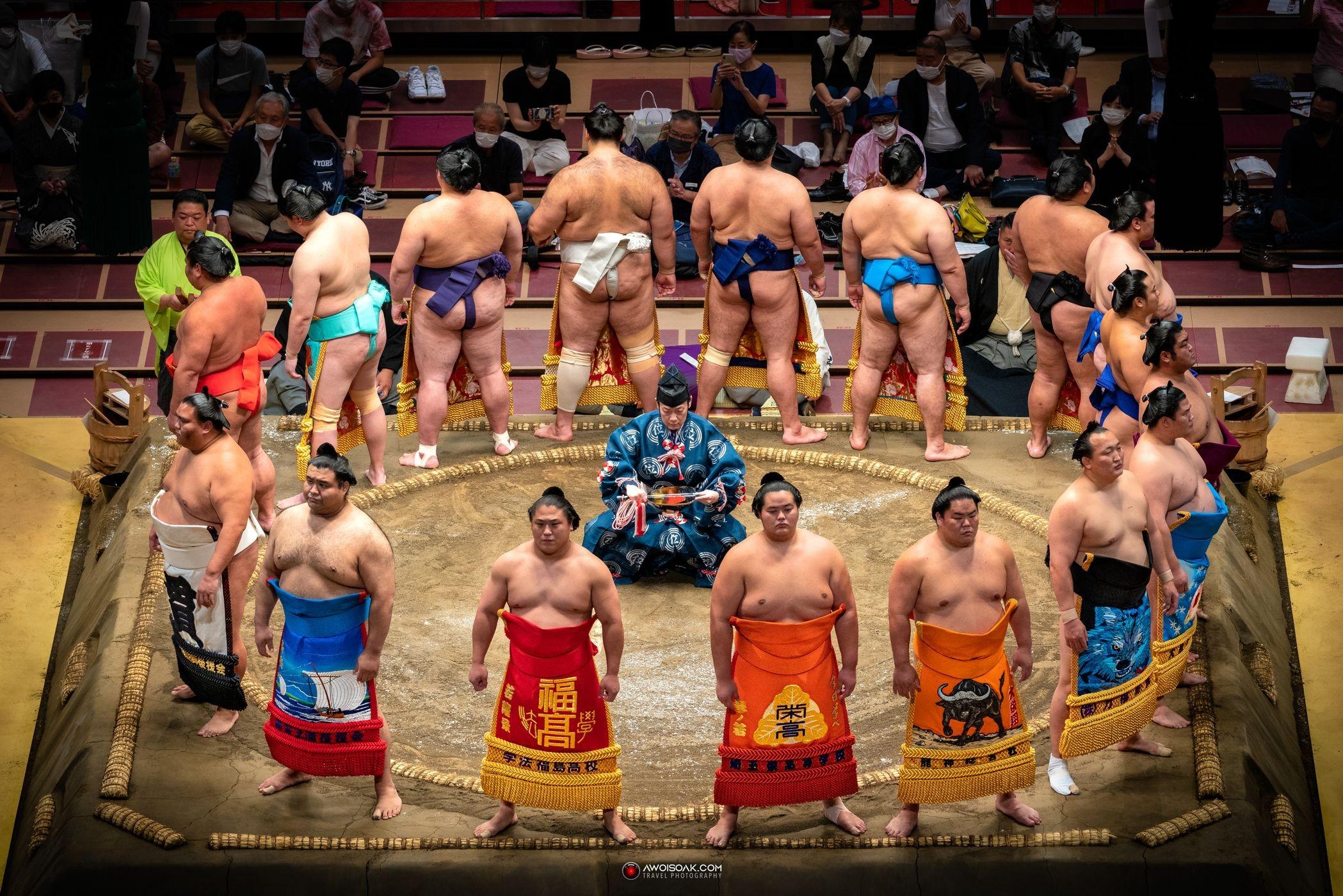
Tokyo: Shinjuku Sumo Show & Experience with Photo
 CHANKO-NABE LUNCH
Tokyo: Sumo History Tour with Chanko-Nabe Lunch
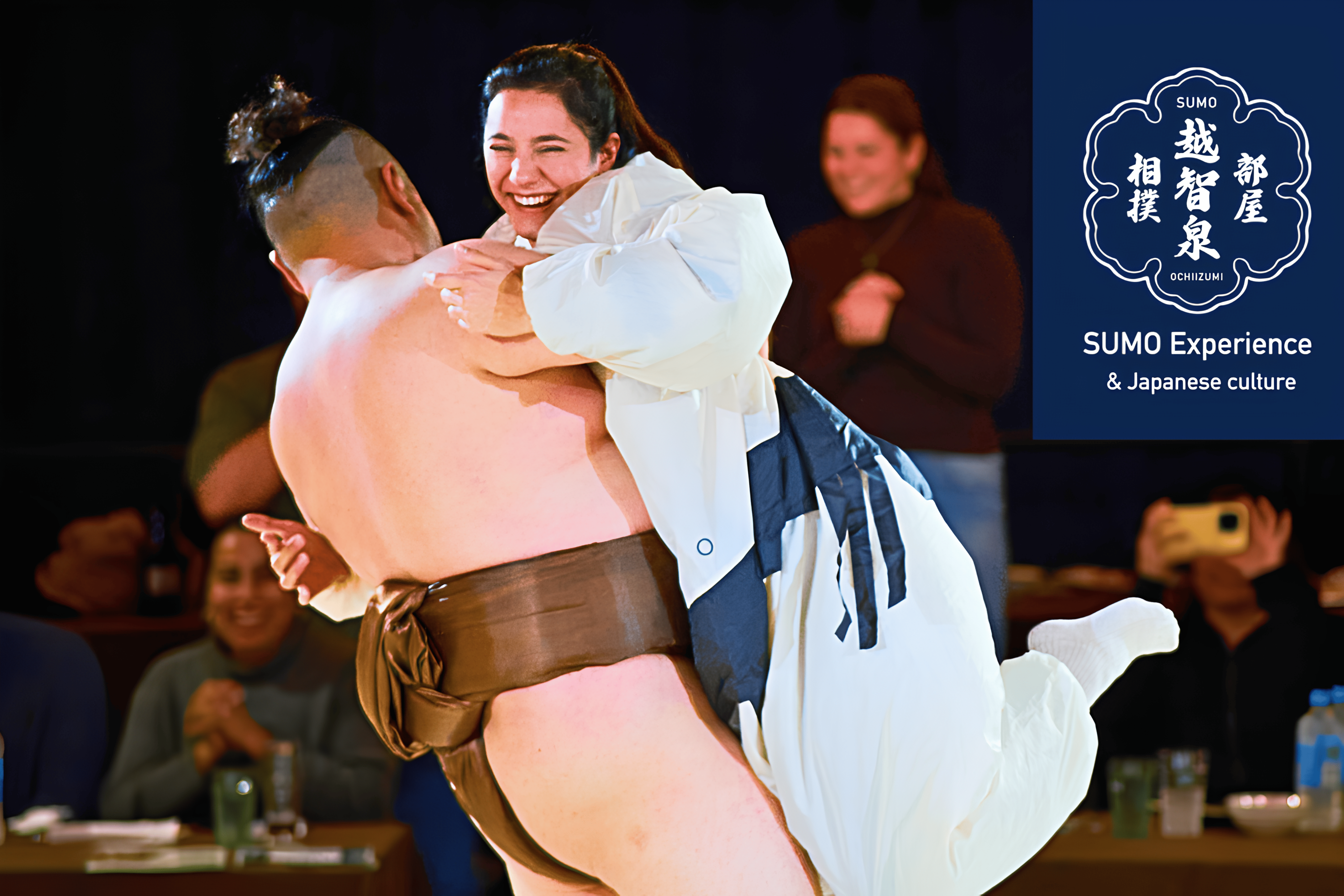 OSAKA OPTION
Osaka Sumo Experience: Sumo Show, Try Sumo & Hot Pot Meal
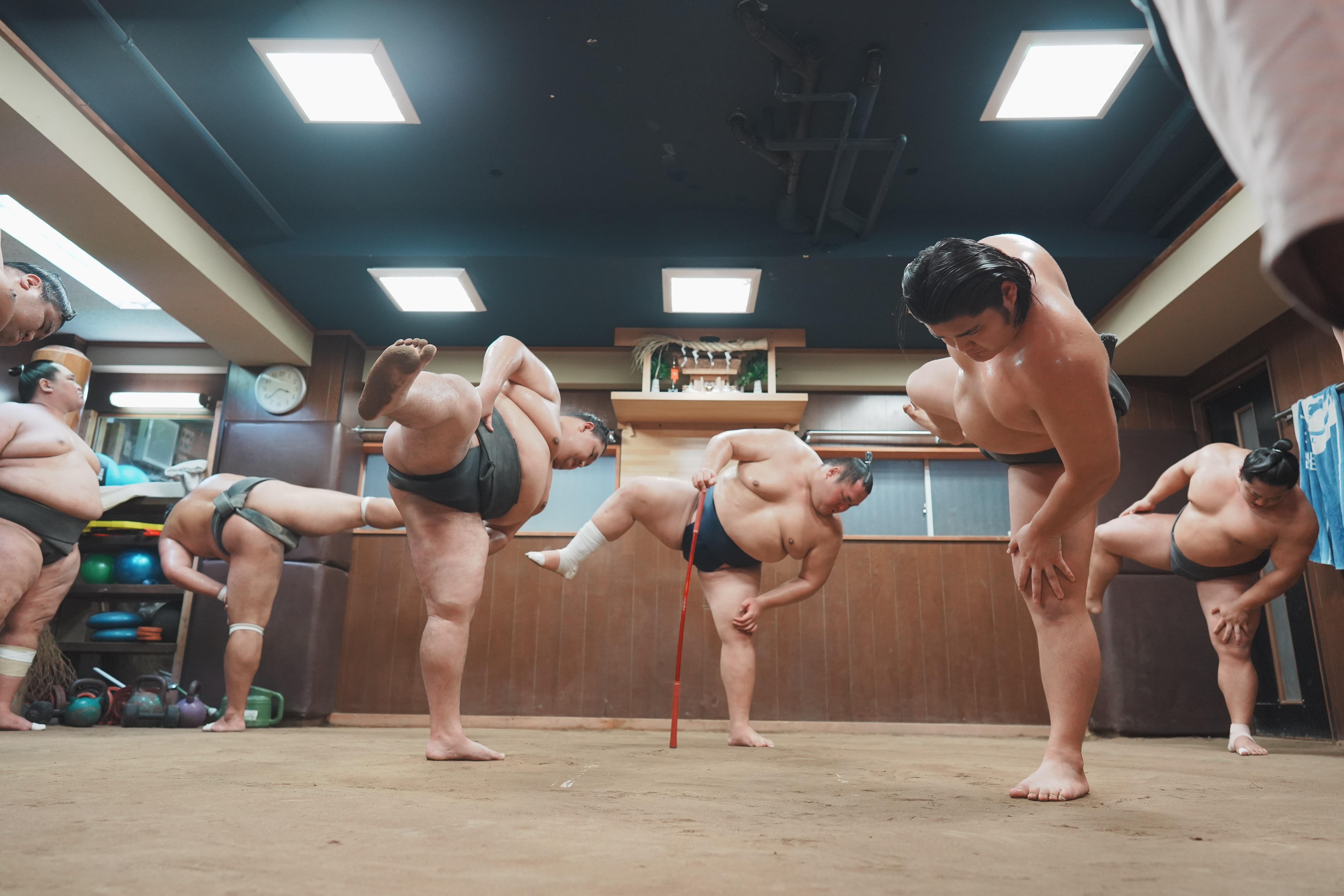 MORNING PRACTICE
Tokyo: Sumo Keiko Training Tour with Audio Guide & Photo
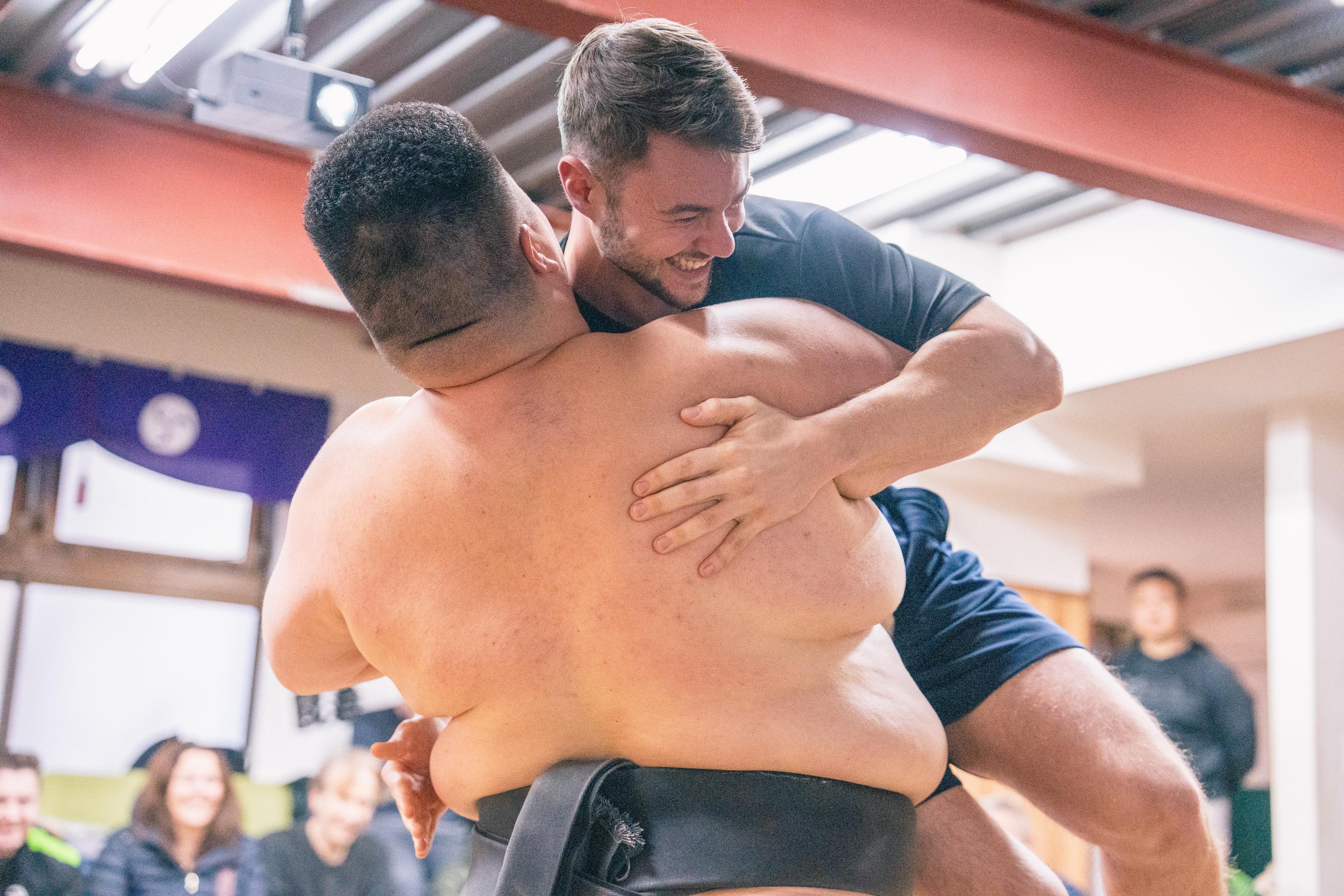 HANDS-ON LESSON
Tokyo: Authentic Sumo Wrestling Experience with Lunch
What Makes Morning Practice Different
The Closest Look at Sumo Most Travelers Ever Get
No performance, no ranking on the line — just a genuine training session, watched up close and in near-silence.
Every other experience on this site is built, in some way, for an audience — a tournament seat, a show, a lesson. Morning practice is the exception: what you’re watching is a sumo stable’s actual daily training session, the same keiko wrestlers run through every morning regardless of whether anyone’s there to see it. That’s what makes it the “insider” option — not that it’s secret, but that it’s unstaged.
What Keiko Actually Looks Like
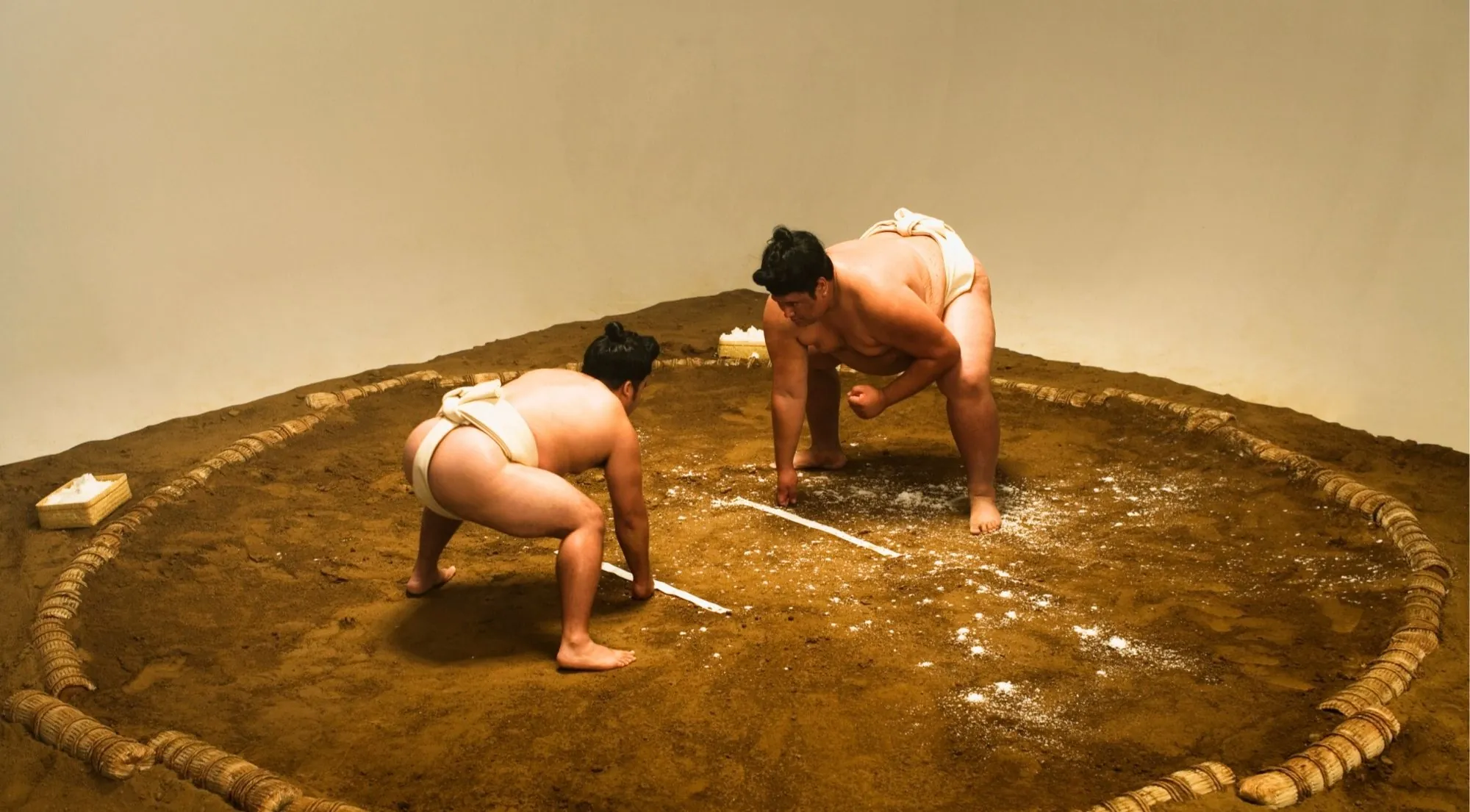
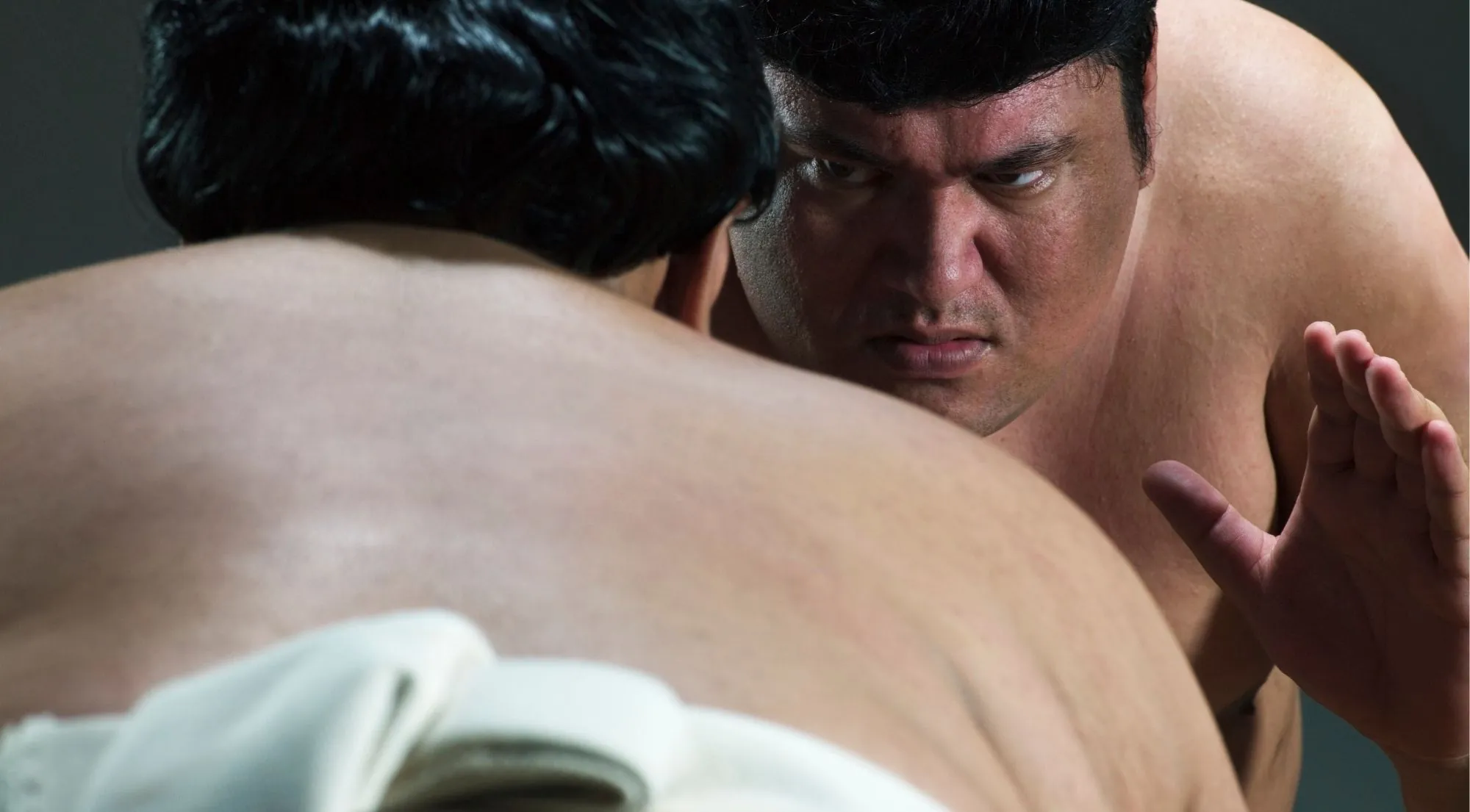
A stable’s morning practice runs through a fixed sequence: shiko, the wide leg-stretch stomp that opens (and recurs throughout) every session; tachiai drills, repeating the explosive opening charge that starts every real bout; and full-contact grappling between training partners, often for extended stretches with barely a pause. There’s no MC narrating for effect and no audience-participation segment — an audio guide fills that role instead, explaining ranks, rituals, and technique in real time as you watch, commonly available in around 10 languages.
The physical proximity is the real draw. Rather than watching from tournament-arena distance, morning practice visits typically put you just a few feet from the dohyo, seated on cushions on the stable floor (a limited number of bench chairs are usually reserved for guests who need them) for roughly 90 minutes.
How Access Actually Works — the Honest Version
It’s worth being direct about something most sumo content glosses over: guided, paid morning-practice tours are not the only way to see keiko. Some individual stables allow free or reservation-only visits arranged directly — a modern, informal continuation of a much older pattern, historically adjacent to the chaya (teahouse) system that once brokered access to sumo culture more broadly in Ryogoku. That DIY route exists, but it comes with real friction: Japanese-language contact with the stable, genuine etiquette fluency (absolute silence, no flash photography, arriving well before the session starts), and no guaranteed outcome on any given morning, since a stable can decline visitors without notice.
The guided option featured on this site trades some of that uncertainty for reliability — a fixed schedule, an audio guide, and confirmed access on your booked date. It’s the more predictable choice for a first-time visitor with limited mornings in Tokyo, not a claim that it’s the only legitimate way in. If you’re comfortable navigating the informal system yourself and have flexible mornings, it’s worth researching stable-direct access as an alternative.
Etiquette Rules That Actually Matter
Silence is the one rule that gets enforced without exception — talking during training is considered genuinely disrespectful to the wrestlers’ concentration, not just a suggested courtesy. Flash photography is off-limits for the same reason (regular, non-flash photography is generally fine). Arrive early: sessions run on tournament-stable time, not tourist time, and latecomers simply get less viewing time with no extension. Most guided visits set a minimum age (commonly around 6 years old), largely because of the sustained quiet-sitting requirement rather than the content itself.
Who This Is For — and Who Should Look Elsewhere
Morning practice suits travelers who want the closest, most unfiltered view of sumo the sport offers outside an actual stable membership — and who don’t mind an early start and 90 minutes of quiet, attentive sitting. It rewards patience over spectacle: there’s no dramatic finish, no ring-entering ceremony, just wrestlers training the way they do every day.
If what you actually want is a livelier, more interactive couple of hours — an MC, live narration, the chance to step into the ring yourself — a sumo show delivers that instead. And if your dates line up with a honbasho and you want the real competitive stakes, nothing replaces tournament tickets. Morning practice is the one experience that’s genuinely closer to “watching sumo happen” than “watching sumo performed.”
Guest Reviews
What Travelers Say
5/5
from 10 verified guests
Read all 10 verified reviews
See All ReviewsReady to See Sumo in Japan?
Compare tournament tickets, sumo shows, morning practice, and hands-on lessons — verified operators, real reviews, free cancellation on most experiences. Starting from $86 per person.
Explore Sumo ExperiencesCan't Make These Dates?
Browse More Available Options
Find a tour that fits your schedule — all with instant confirmation and free cancellation.
Sumo Morning Practice (Keiko) — FAQ
What to expect from a pre-dawn stable practice visit in Ryogoku, Tokyo.
Keiko is the Japanese term for sumo training — the daily practice sessions wrestlers run through in their stable (heya) long before their public matches. Morning practice visits let you observe genuine training drills: shiko leg-stretches, tachiai charge repetitions, and full-contact grappling, in the same room the wrestlers actually train in.
No — this is a practice session, not a competitive match, and there's no scoring or ranking on the line. What you get instead is a much closer, quieter, more intimate view of the sport than a tournament seat allows — you're often just a few feet from the dohyo.
Not necessarily — some individual sumo stables allow free or reservation-only visits arranged directly with the stable, historically brokered informally in a system similar to the old chaya (teahouse) ticket network. That route requires Japanese-language contact, strict etiquette knowledge, and flexible timing, with no guarantee of access on a given morning. The guided, paid option on this site trades some of that DIY uncertainty for a fixed schedule, an audio guide, and reliable access — it's the more predictable choice for first-time visitors, not the only way to see keiko.
Sumo keiko traditionally starts very early — plan on an early wake-up. Guided tours meet near JR Ryogoku Station and ask guests to arrive on time, since seating is limited and latecomers get reduced viewing time with no extension.
Silence is the core rule — no talking during training, since noise is considered disrespectful to the wrestlers' concentration. Flash photography is not allowed (regular photography without flash is generally fine). Seating is often on cushions on the floor for around 90 minutes, with a limited number of bench chairs prioritized for guests with mobility needs.
Our featured morning-practice tour sets a minimum age of 6 years old, largely because of the sustained quiet-sitting requirement — young children who struggle to stay still and silent for 90 minutes may find it difficult.
Yes — a photo opportunity with the wrestlers is typically included after the training session ends, along with a printed or digital pamphlet explaining what you just watched. An audio guide (commonly offered in around 10 languages) narrates the ranks, rituals, and techniques in real time during the session.
Our featured tour's venue sits just 2 minutes' walk from JR Ryogoku Station, right next to Ryogoku Kokugikan (the national sumo arena) — easy to combine with a walk through Ryogoku's sumo-themed streets before or after your visit.
Still have questions? Email us at info@sumo-in-japan.com