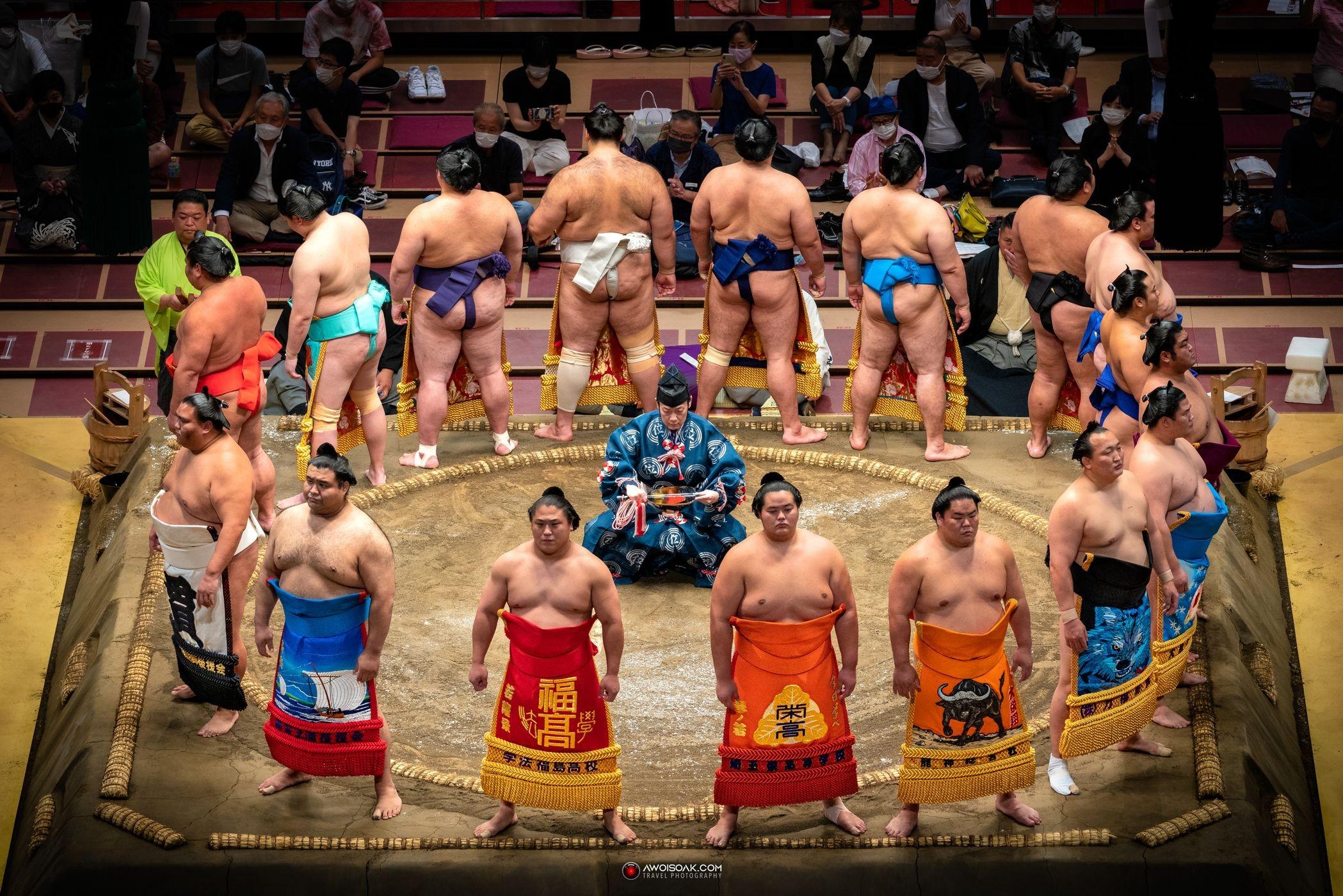
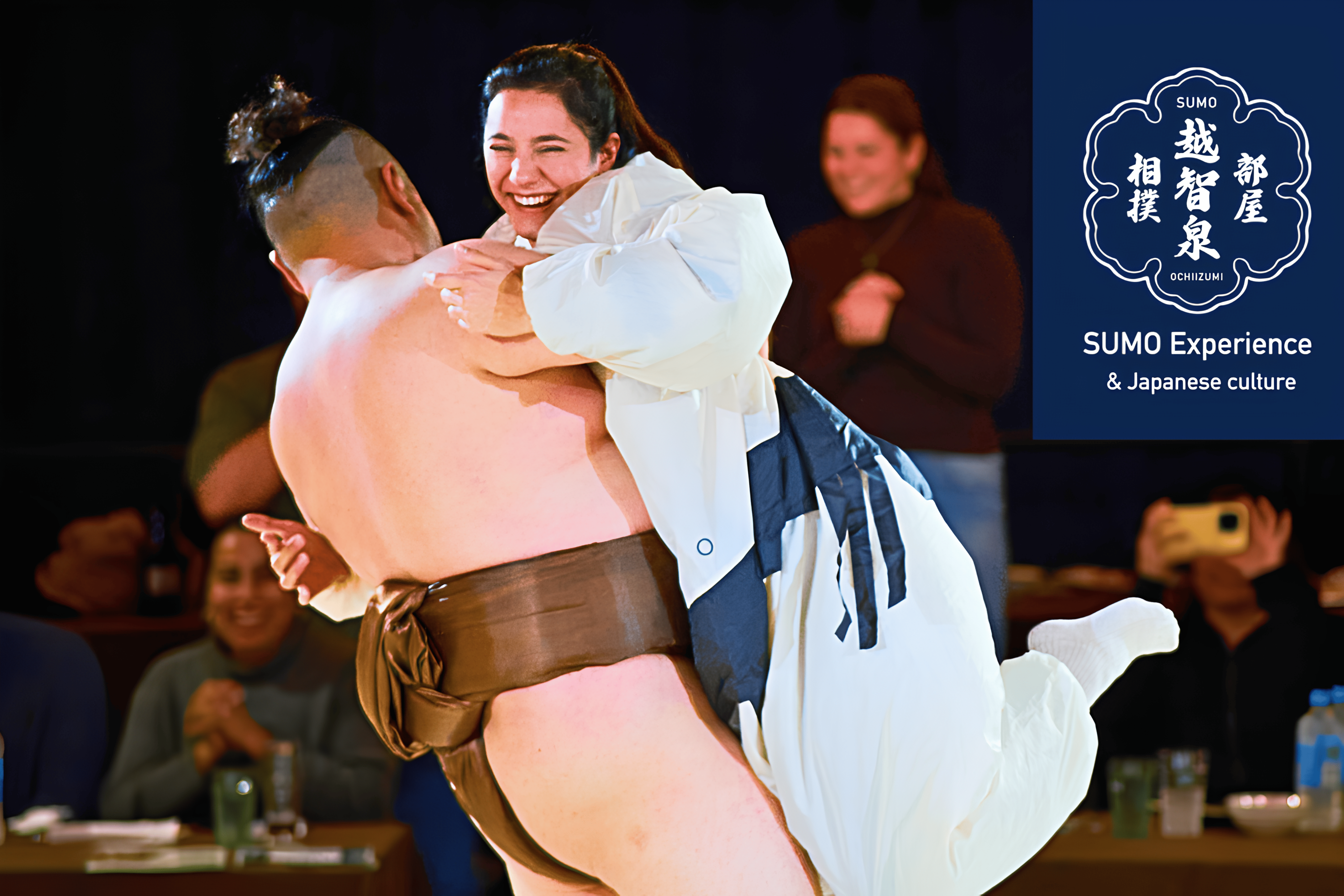
"we had a great time. it was a wonderful experience and a highlight of our Tokyo stay! Well organized!!"
Shinjuku, Tokyo · Available Daily
Sumo Show & Chanko-Nabe Dining
Live sumo demonstration matches, full ritual explanation, and the chance to challenge a wrestler yourself — no honbasho required, bookable any day of the year.
Top pick
From
$65
per person
Free cancellation
- 4.8 / 5 8,164+ Reviews
- 8 Experiences 4 Cities
- Licensed Guides English-Speaking
- Free Cancellation
The Experience
Why Book a Sumo Show
Real technique and ritual, live commentary, and no honbasho calendar to work around.
Highlights
- Feel the thrill of sumo wrestling as you watch live matches
- Learn about the techniques, rituals, and history of this ancient sport
- Challenge a sumo wrestler and test your strength in a fun match
- Experience the power and skill of sumo wrestlers up close
- Enjoy an immersive experience with an English-speaking MC
What's Included
- Professional sumo wrestling demonstration
- History and Background information about Sumo
- English speaking MC
- Welcome drink (Bottled water)
- Opportunity to challenge sumo wrestlers
- Pictures with the wrestlers
How a Sumo Show Works
From your seat to your ringside challenge.
Arrive at the Venue
Meet at the show venue at the designated door-open time — entry follows a fixed schedule, so arrive on time to avoid missing the start.
Learn the Ritual
An English-speaking MC walks you through sumo's history, rituals, and rules before the wrestlers take the ring.
Watch Live Demonstration Bouts
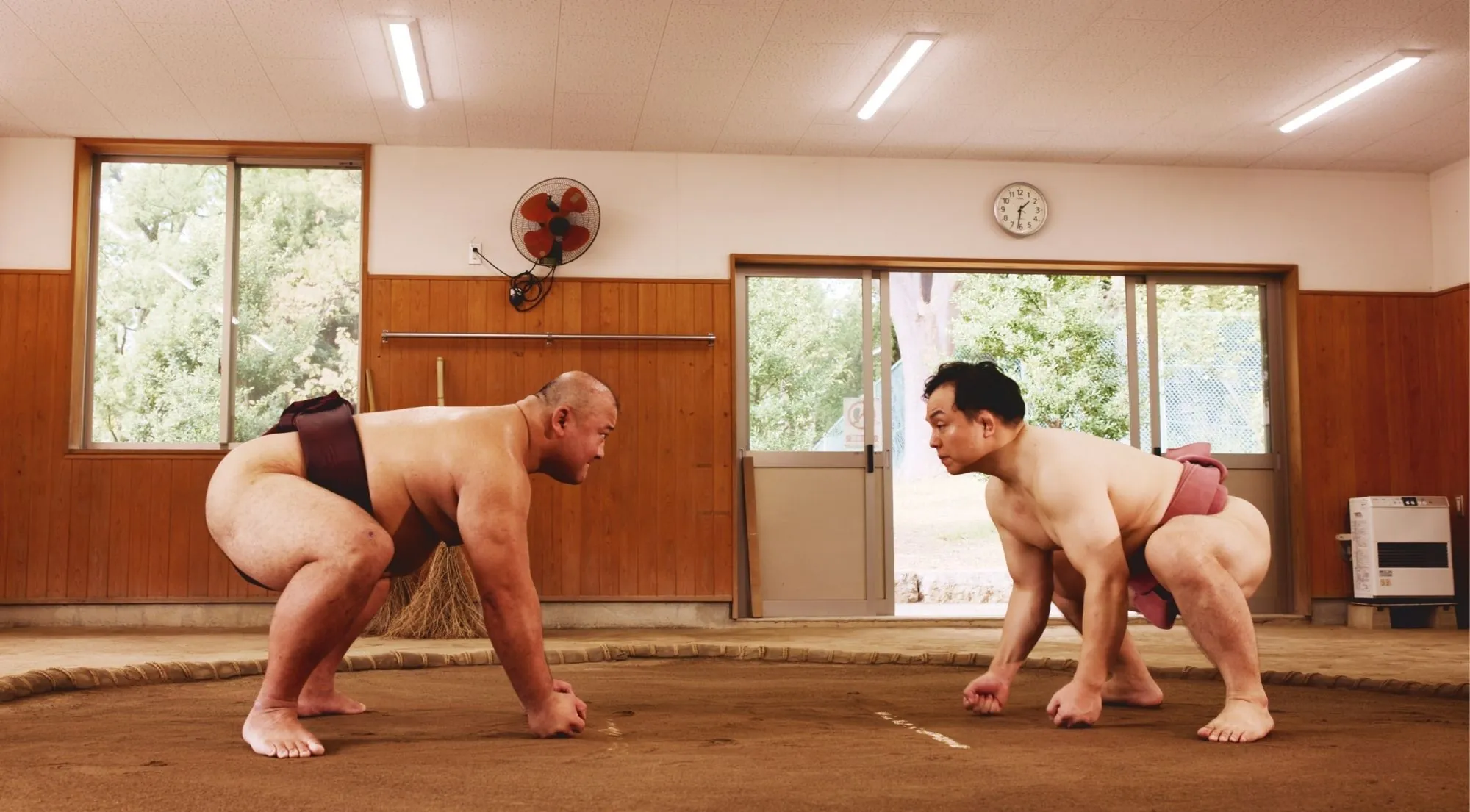
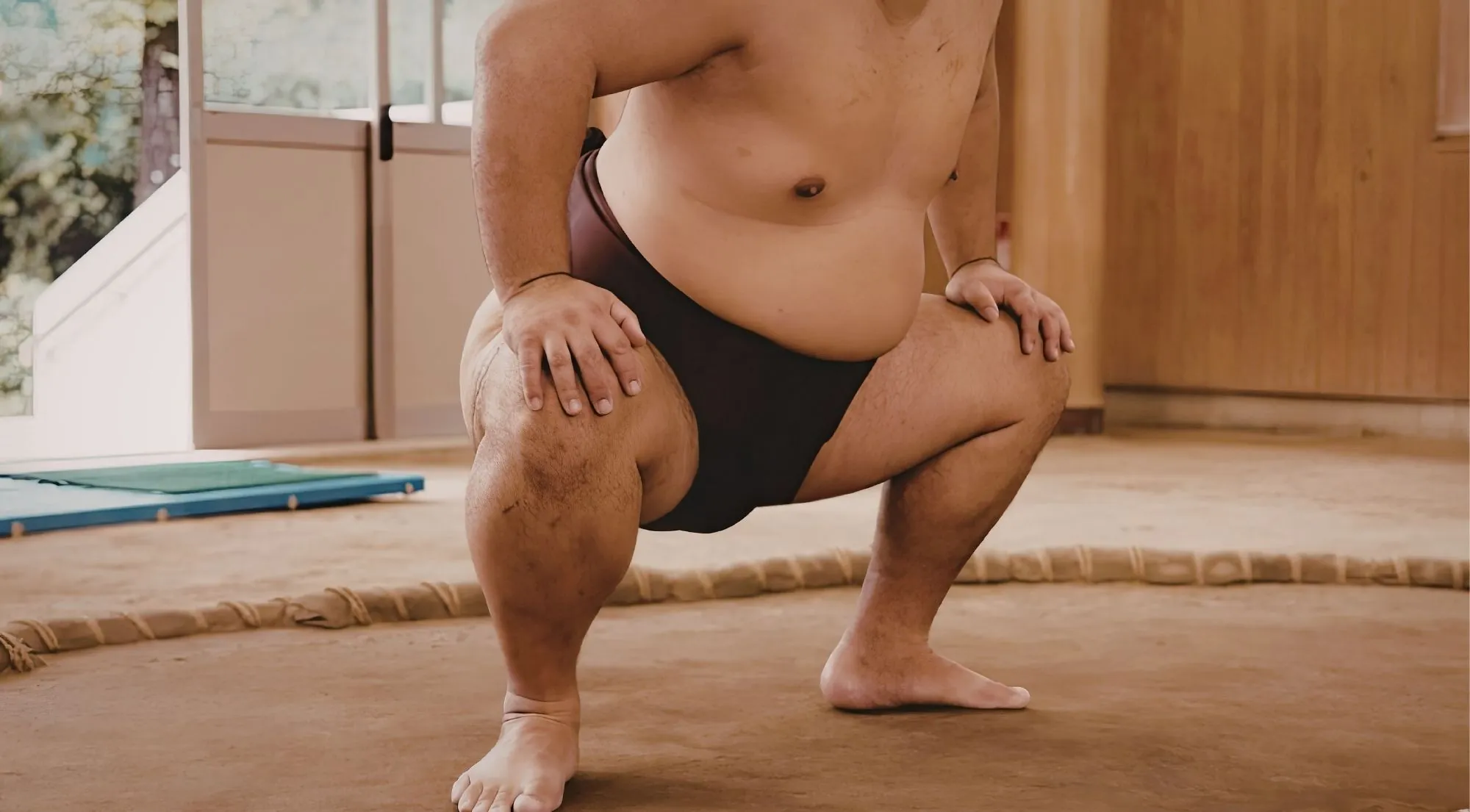
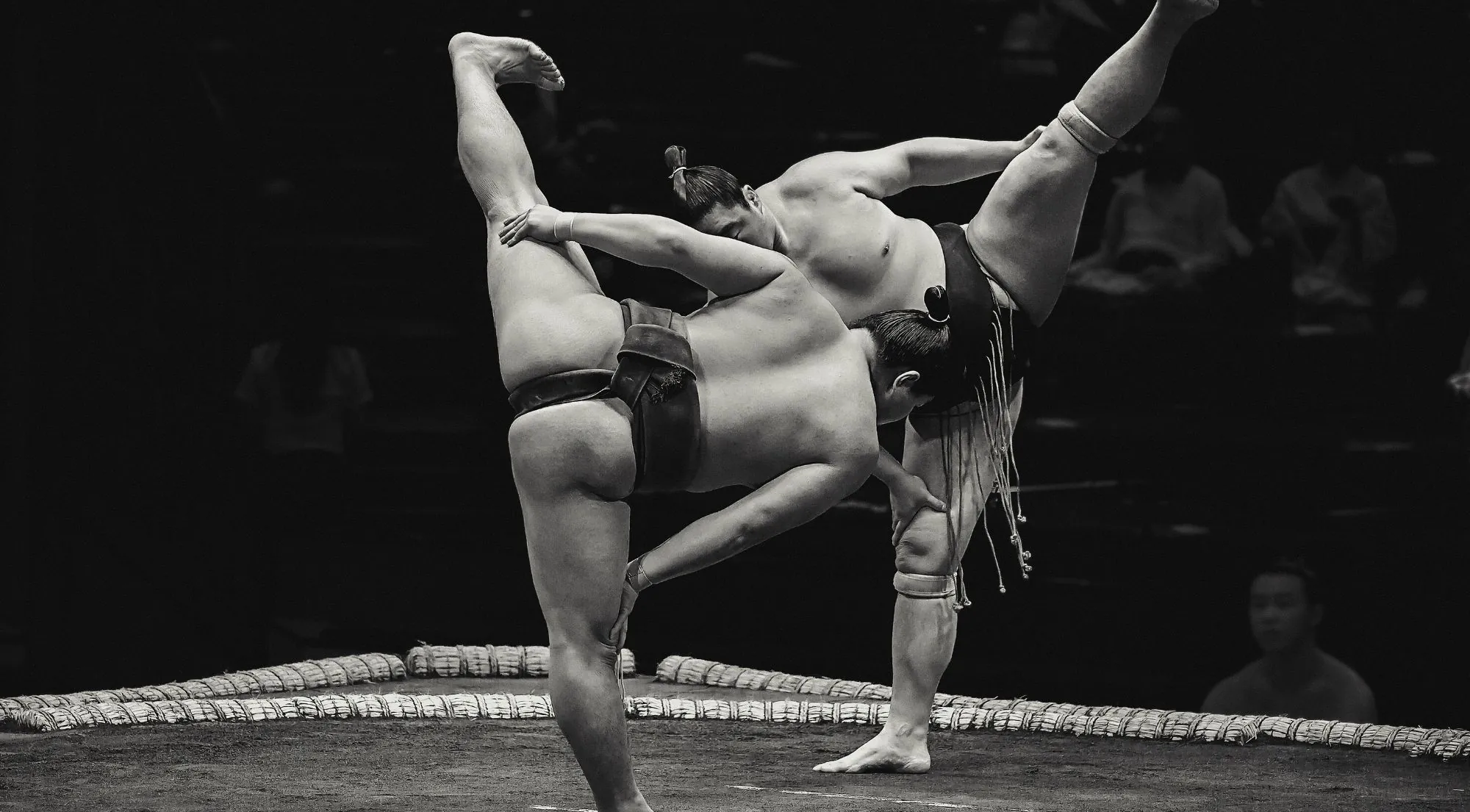
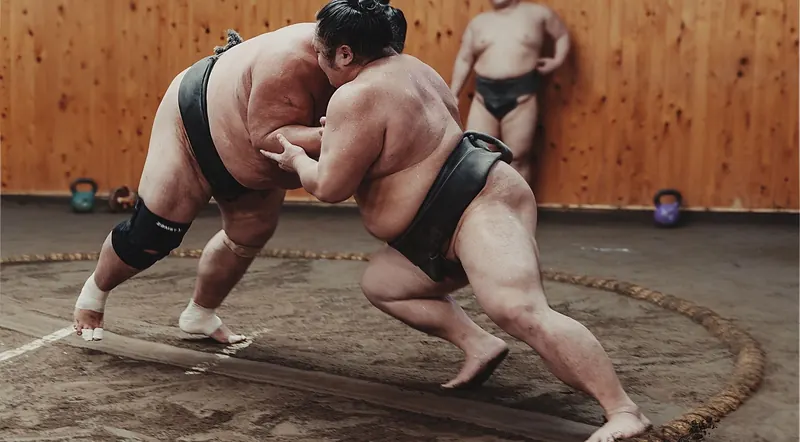
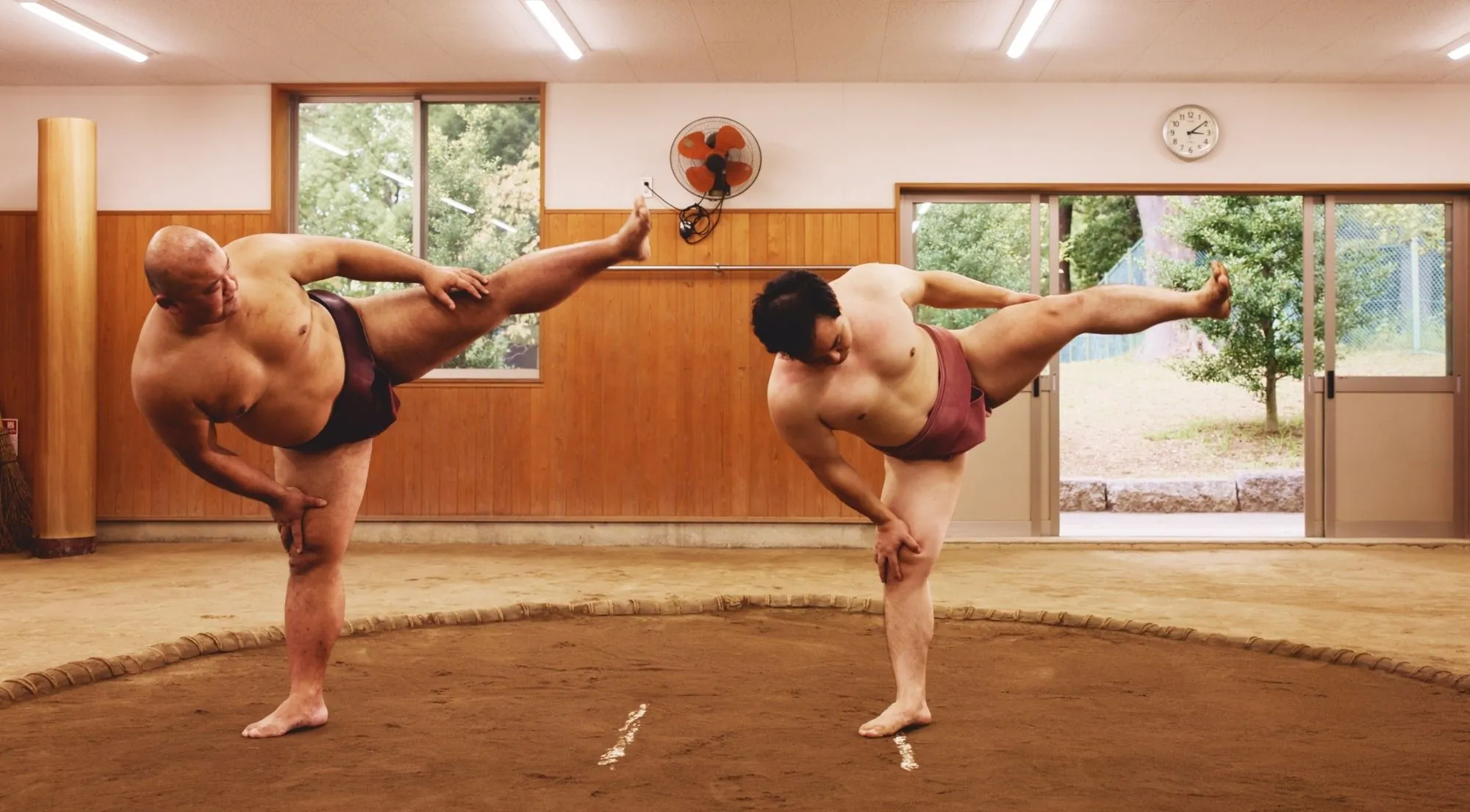
Current or former wrestlers perform the shiko stomp, salt-throwing purification, and full-contact sparring matches up close.
Challenge a Wrestler (Optional)
Volunteers from the audience get the chance to step into the ring for a lighthearted, safety-supervised bout — then take a photo with the wrestlers.
Photo Gallery
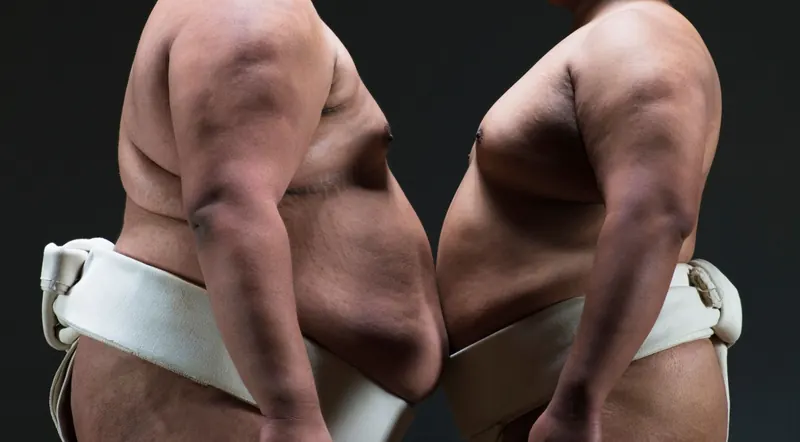
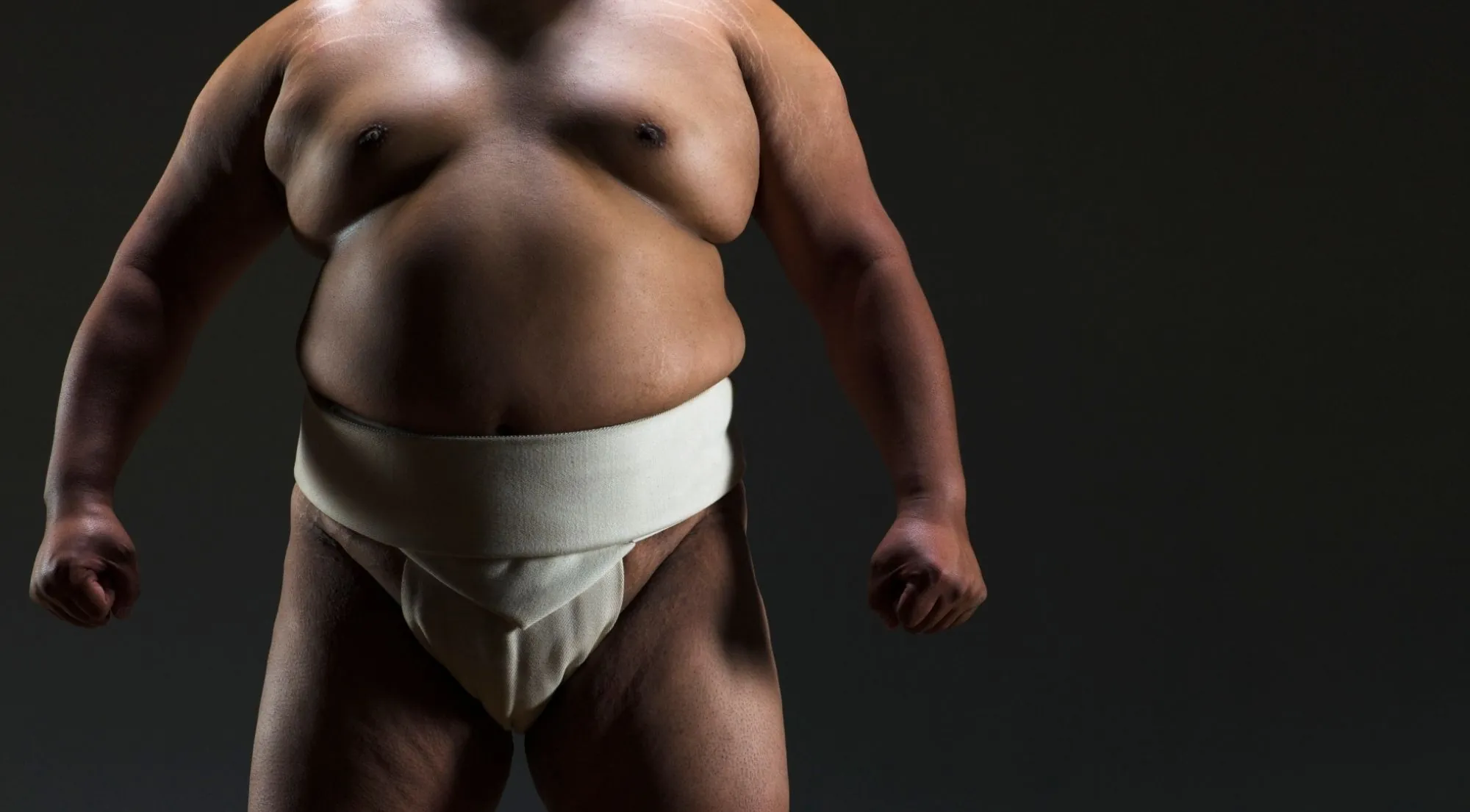
Sumo Show — Ritual, Bouts & Chanko-Nabe
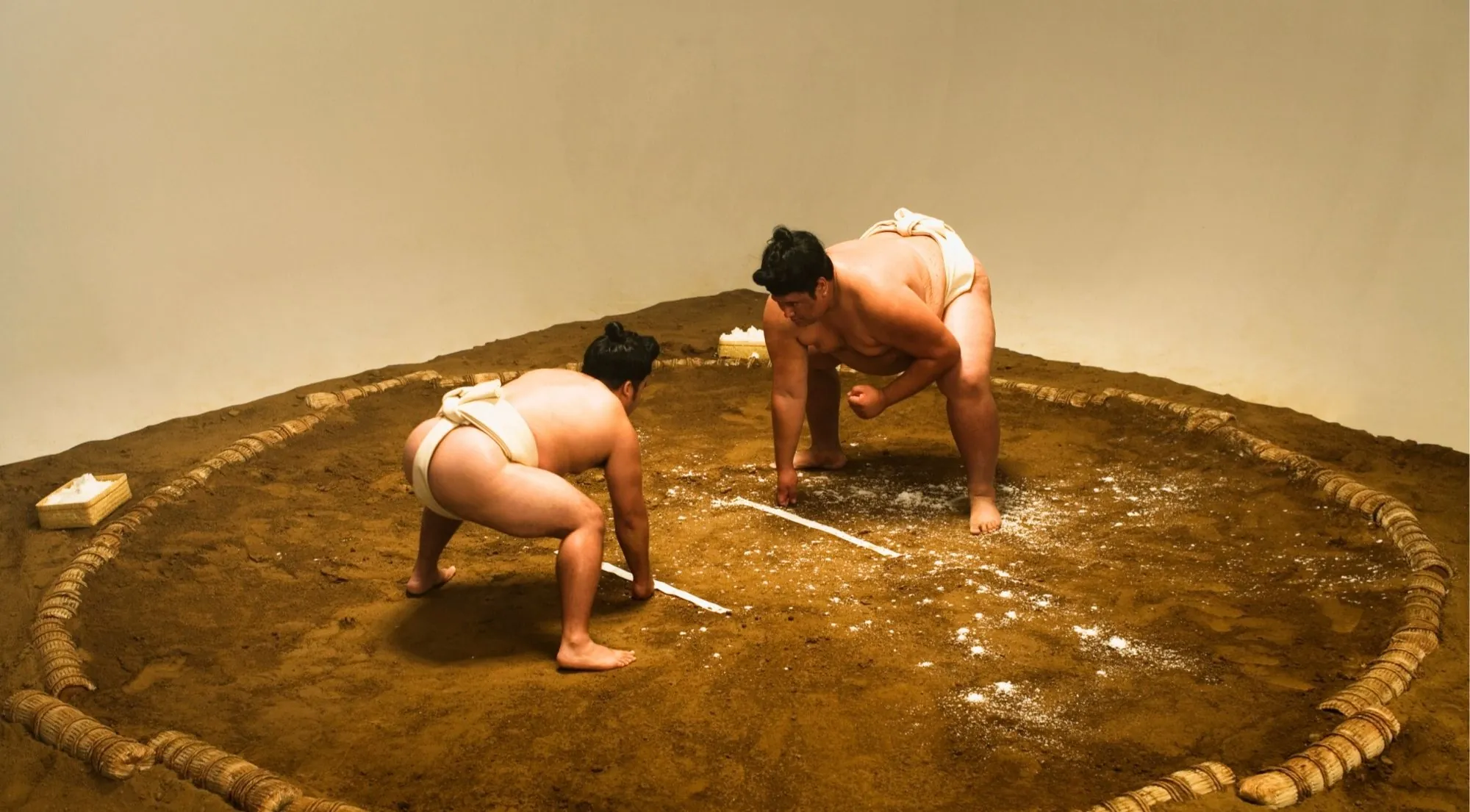
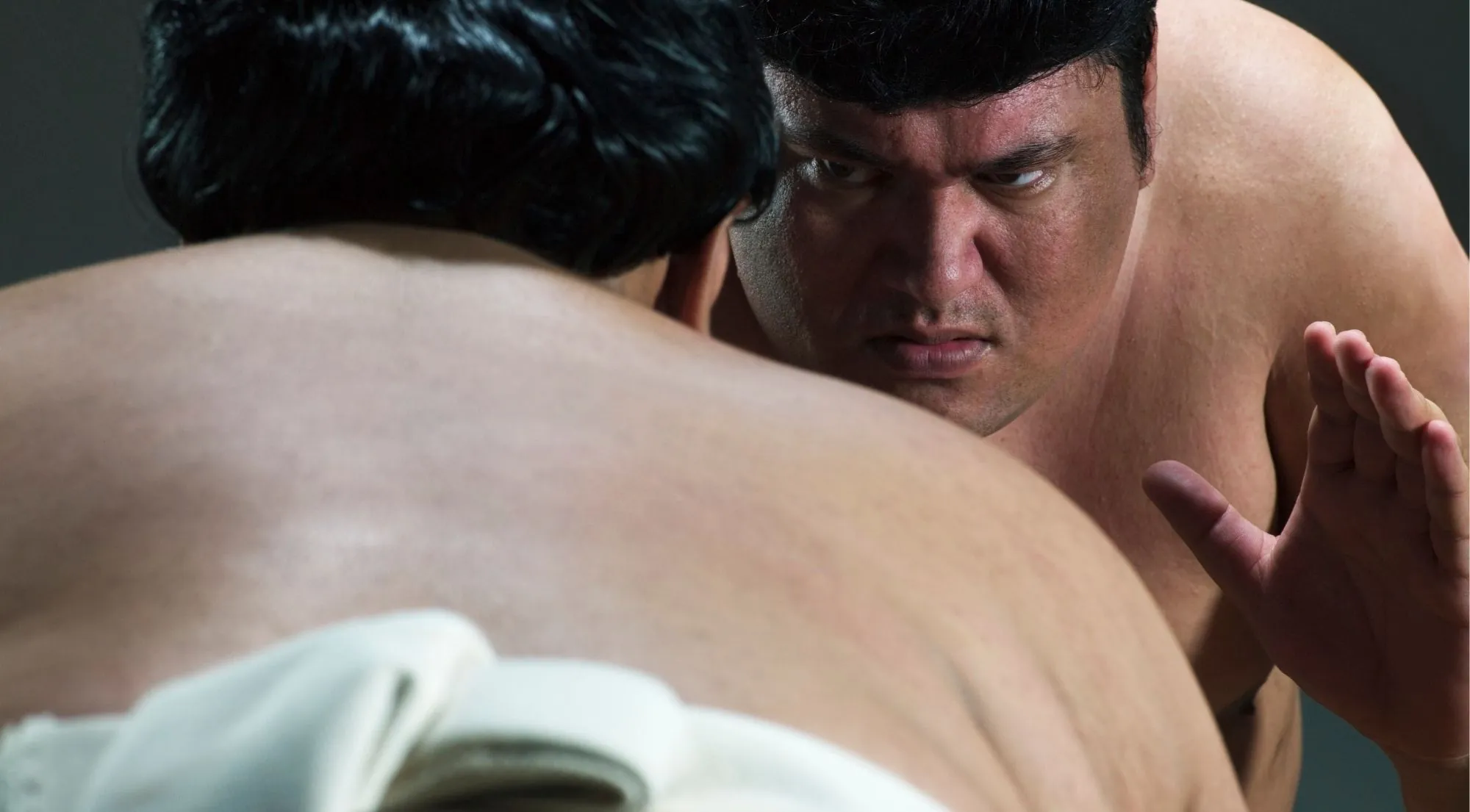
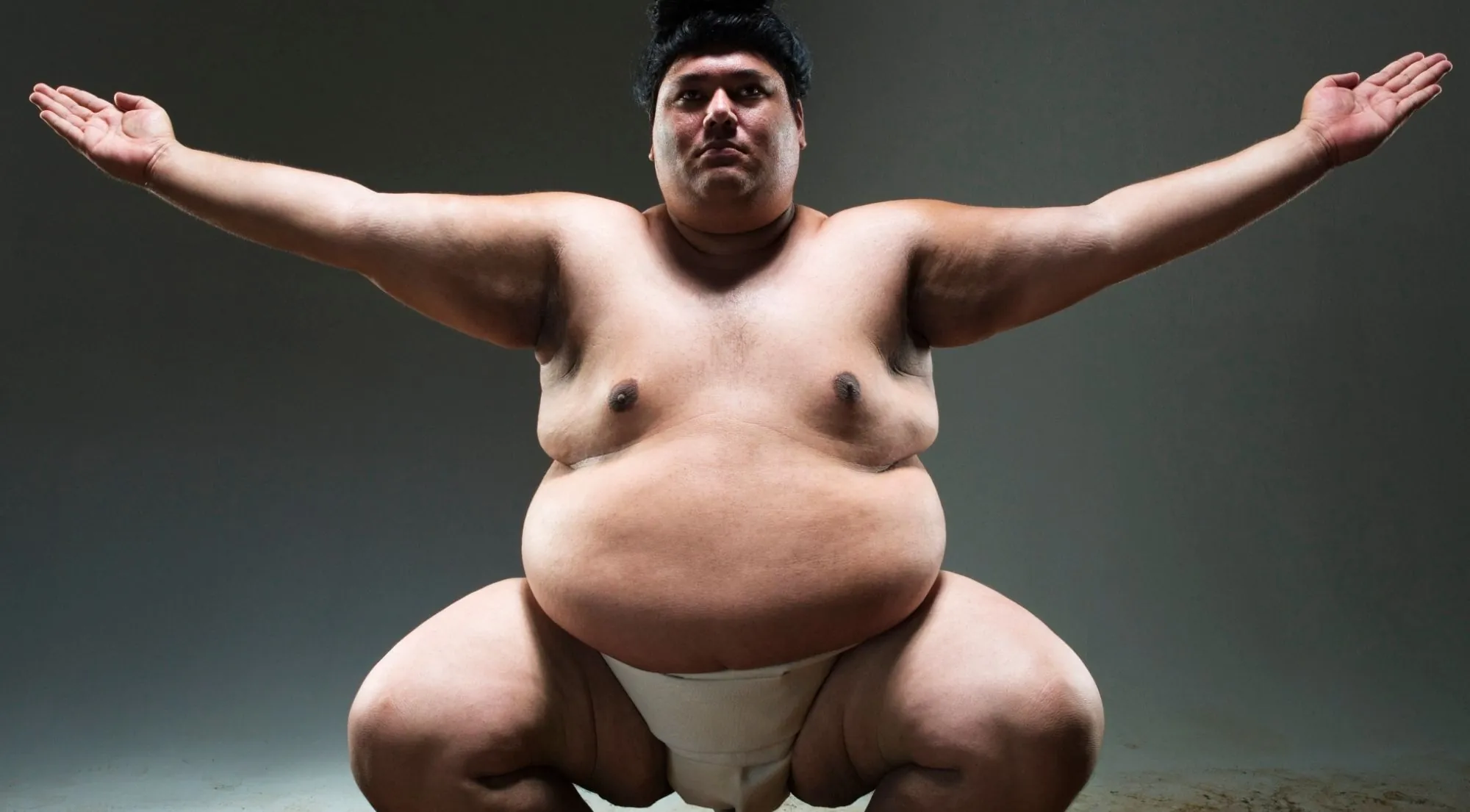
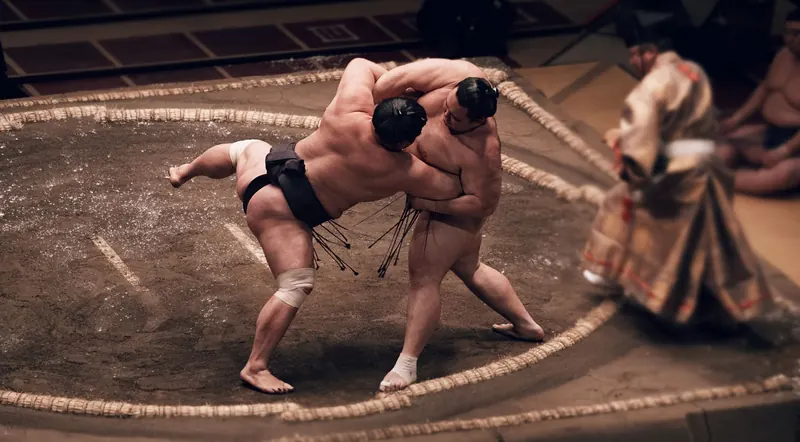
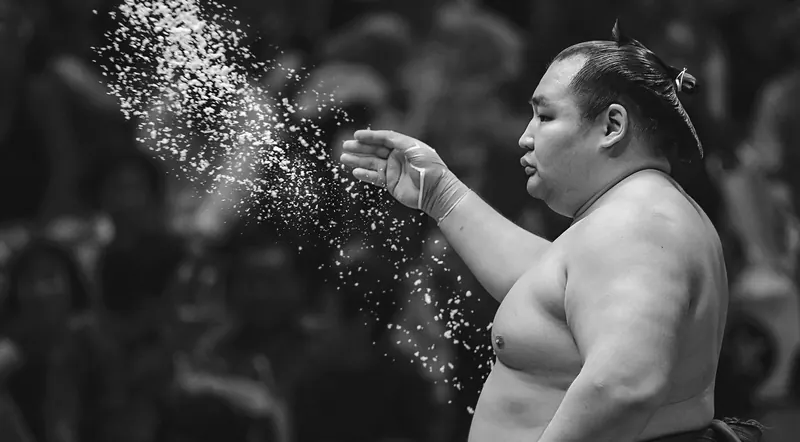
The salt-throwing, the stare-down, and the communal hot-pot every rikishi grows up eating.
Book Your Experience
Check Availability & Prices
Select your preferred date and time. Instant confirmation — free cancellation up to 24 hours before departure.
Compare the 4 Ways to Experience Sumo
Every option is a licensed operator with verified reviews — pick the one that matches your dates and travel style.
| Feature | Most Authentic Tournament Tickets | Most Flexible Show & Dinner | Most Intimate Morning Practice | Most Interactive Try Sumo Lesson |
|---|---|---|---|---|
| Best for | Seeing real competition | Any day of the year | Pre-dawn authenticity | Physically trying it |
| Starting Price | From $186 | From $65 | From $86 | From $166 |
| Availability | Only during honbasho (6x/year) | Daily | Most weekday mornings | Most days |
| Cities | Tokyo, Osaka, Nagoya | Tokyo, Osaka | Tokyo | Greater Tokyo (Kawasaki) |
| Advance planning needed | High — book weeks ahead | Low | Medium | Medium |
| Explore | Explore | Explore | Explore |
More Options
More Sumo Show Formats
A history-and-lunch combo in Tokyo, or a hands-on training version in Osaka.
What Makes a Sumo Show Different
Real Sumo Technique, Any Day of the Year
You don't need to time your trip around a 15-day tournament window to see genuine sumo — here's what a show actually is, and isn't.
If your travel dates don’t happen to fall inside one of the six 15-day Grand Sumo Tournament windows each year, a sumo show is the honest, reliable alternative — not a substitute for competitive sport, but a genuine demonstration of the same techniques, rituals, and physicality, hosted by a dedicated venue that runs shows every single day.
What a Sumo Show Actually Is
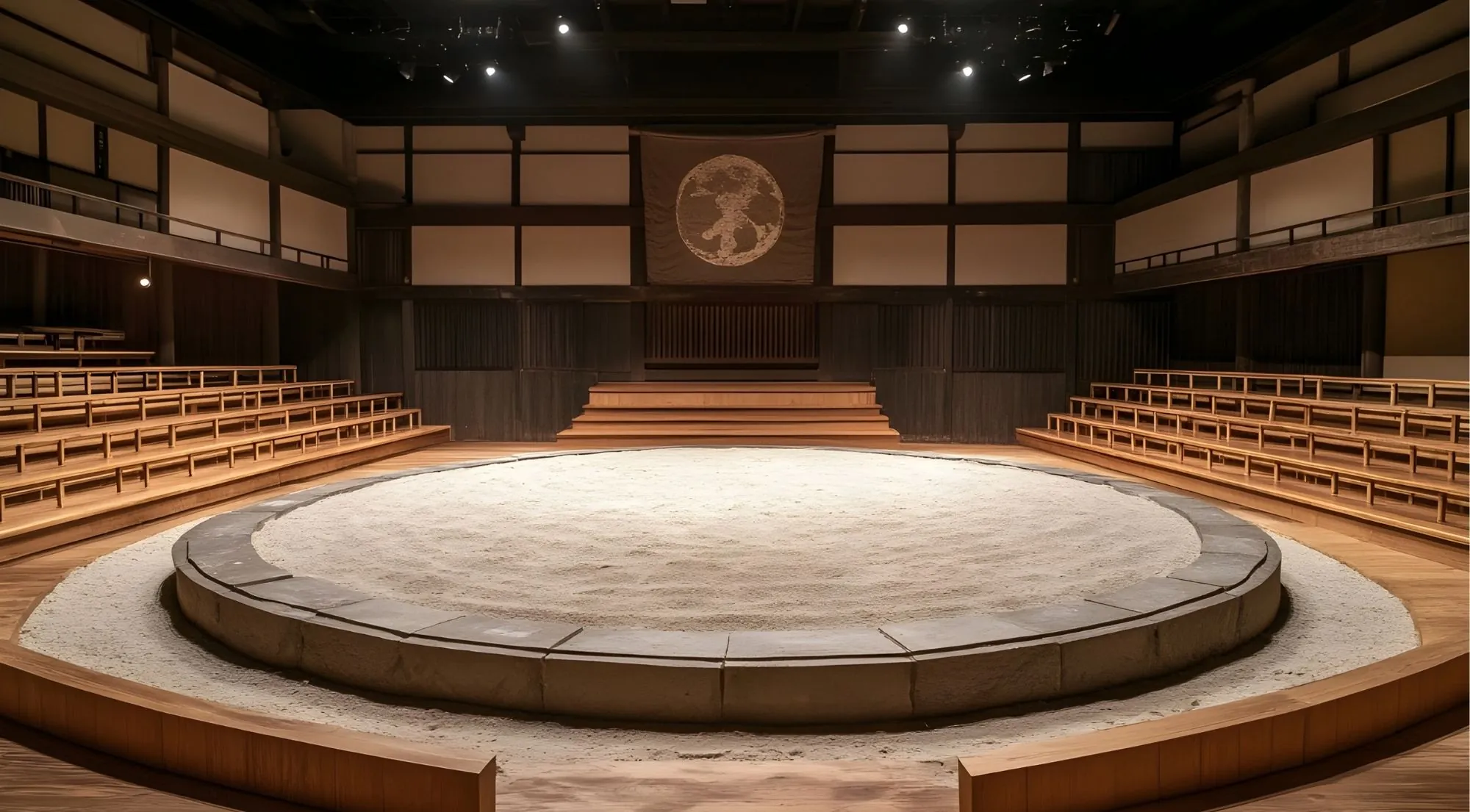
A sumo show is privately hosted entertainment, not a Japan Sumo Association event — and that distinction matters more for what it enables than what it lacks. Because it’s not tied to the official tournament calendar, a show venue can run performances daily, on a fixed schedule (commonly a lunch show and an evening show), which means you can build it into your itinerary on whatever day actually works for your trip.
What you’ll see is real: current or former professional wrestlers demonstrating the full ritual sequence — the shiko leg-stomps that open every training session, the ceremonial salt-throwing said to purify the ring, the tachiai opening charge — followed by genuine sparring matches. An English-speaking MC narrates throughout, translating both the mechanics (why a bout ends the way it does) and the cultural weight behind each ritual. On several show formats, the audience-participation segment is the highlight: MCs invite volunteers to step into the ring and try a lighthearted match against a wrestler, which guest reviews consistently single out as a trip highlight.
Chanko-Nabe: The Meal Behind the Sport
Chanko-nabe is the communal hot-pot dish wrestlers eat daily — a simmering pot of broth, vegetables, tofu, and protein, historically prepared in enormous batches inside every sumo stable’s kitchen to help wrestlers build and maintain the caloric mass their training demands. It’s shared at the table rather than served in individual portions, a detail that reflects the stable’s collective, hierarchical living arrangement as much as its nutritional purpose. Several show tours build a chanko-nabe lunch or dinner directly into the ticket; others offer a welcome drink during the performance itself and treat dining as a separate add-on, so check what your specific listing includes.
Tokyo vs. Osaka: Two Different Formats
Our featured show runs in a dedicated venue in Shinjuku, Tokyo — a tightly run, MC-led format focused on the live demonstration and the optional wrestler challenge, with thousands of verified guest reviews and a strong track record for solo travelers and groups alike. The Osaka alternative, held near Kansai International Airport, takes a more workshop-style approach: hands-on ring training drills after the demonstration, a photo session with a former rikishi, a haori (traditional coat) try-on, and the option of a chanko-nabe or wagyu sukiyaki meal — useful if you’re transiting through Kansai rather than based in Tokyo, and priced lower as a result.
Who This Is For — and Who Should Look Elsewhere
A sumo show suits travelers who want real sumo technique and ritual without committing to a multi-hour tournament sit or a 15-day calendar window — and it’s noticeably more family-friendly than a formal tournament, with several operators offering reduced child pricing and seating priority for families. It’s a livelier, more interactive couple of hours than a competitive match, which makes it a good fit if you’re short on time or traveling with kids who’d find a full tournament day long.
It’s the wrong pick if what you actually want is the competitive tension of real, ranked sumo — a show has no scoring and nothing on the line, so if your dates do line up with a honbasho, tournament tickets deliver something a show structurally can’t. And if you’d rather observe genuine, unscripted training than a performance built for an audience, a morning practice visit is the closer match.
Entry to most shows is only permitted through a specific door at the scheduled time, and late arrivals may not be admitted — build in buffer time to get there, especially from across the city during Tokyo rush hour.
Guest Reviews
What Travelers Say
5/5
from 8164 verified guests
"It was awesome! Joe and Rio, the emcees were so engaging and are native English speakers so the whole thing was amazing! The Sumo wrestlers, Ide and George were so entertaining! They have good chemistry and are entertaining as well, highlighted by their childhood together (answered in the QnA). Seats were great and I was seated furthest to the back, near the centre aisle and I got a fantastic view! They also serve food and drinks, and the staff members are all English speakers so that was smooth sailing. I was also a solo traveller who participated to compete against the wrestlers and they made it such a great experience for me! Ide was so nice and I got to take pictures with a cute pose at the end. Thanks so much for making this such a fun memory on my first solo trip!"
"Rio and Joe were great hosts and we were 27 people which they were able to accommodate all of us. The wrestlers were funny and our kids enjoyed a lot! Keep up the great show Shinjuku Sumo Club!"
"We had an amazing time at the sumo show in Tokyo! The entire experience was entertaining and very well organized. It was a fantastic way to learn about the traditions and history of sumo while enjoying the live demonstrations. A special thanks to Joe (i hope I didn’t mistake the name), who did an outstanding job hosting the event. He was engaging, funny, and explained everything clearly, making the experience enjoyable for everyone. His enthusiasm and energy really made the show memorable. We highly recommend this experience to anyone visiting Tokyo. It was one of the highlights of our trip!"
"An absolutely fantastic experience from start to finish! We had an amazing time this morning. The two sumo wrestlers were incredible very impressive, friendly, and happy to share their passion for sumo. The demonstrations were fascinating, and the opportunity to interact with them made the experience even more special. A special mention to the presenter, who was outstanding. He was funny, energetic, and explained the traditions, history, and rules of sumo in a very clear and engaging way. He kept everyone entertained throughout the entire show. The organization was excellent, the atmosphere was warm and welcoming, and everything was perfectly managed. We highly recommend this experience to anyone visiting Tokyo. Whether you’re a sumo fan or discovering it for the first time, you’ll leave with unforgettable memories. Thank you to the entire team for such a wonderful experience! 🇯🇵👏"
"Team Shane was awesome ! Show was so fun and engaging !!"
"Shane hosted an amazing show. We learned alot! The sumo wrestlers were greatt"
"I got to lose in front of 80+ people. Best day ever"
Read all 8164 verified reviews
See All ReviewsReady to See Sumo in Japan?
Compare tournament tickets, sumo shows, morning practice, and hands-on lessons — verified operators, real reviews, free cancellation on most experiences. Starting from $65 per person.
Explore Sumo ExperiencesCan't Make These Dates?
Browse More Available Options
Find a tour that fits your schedule — all with instant confirmation and free cancellation.
Sumo Show & Chanko-Nabe Dining — FAQ
What to expect from a sumo show, year-round in Tokyo and Osaka.
No — a sumo show is a private entertainment program, not a Japan Sumo Association tournament. Current or former wrestlers demonstrate live sparring, rituals (shiko stomping, salt-throwing), and techniques, with an English-speaking MC explaining what you're seeing. It's genuinely performed sumo, just outside the competitive-ranking system, which is exactly why it's bookable every day of the year rather than only during a 15-day honbasho window. See our full comparison of shows vs. tournaments for the complete breakdown.
On several of our show tours, yes — after the demonstration matches, the MC invites volunteers from the audience to step into the ring for a lighthearted match against a wrestler. It's optional, safety-supervised, and one of the most-mentioned highlights in guest reviews.
Chanko-nabe is the communal hot-pot meal wrestlers eat daily to build the caloric bulk their training demands — broth, vegetables, tofu, and protein simmered and shared at the table. Some show tours serve a chanko-nabe lunch as part of the ticket; others include just a welcome drink during the show itself, with dining offered as a separate add-on. Check your specific listing's inclusions.
Our featured show runs in a dedicated venue in Shinjuku, Tokyo, with a second option in Osaka combining the show with sumo training drills and a hot-pot meal near Kansai International Airport — useful if you're transiting through Osaka rather than staying in Tokyo.
Most sumo shows run under 90 minutes to 2 hours, including the history/ritual explanation, live demonstration matches, and (where included) the audience-participation segment. It's a much shorter time commitment than a full tournament day.
Yes — several show operators explicitly welcome families, with lower child ticket pricing and kid-friendly seating priority. It's a livelier, more interactive format than a formal tournament, which often makes it an easier fit for younger travelers.
Shows run on a fixed time schedule (commonly a lunch show and an evening show), and entry is only through the designated door at the scheduled time — late arrivals may not be admitted. Booking your slot ahead of time is strongly recommended, especially for the more popular Shinjuku show, which has thousands of verified reviews and can sell out on short notice.
The Tokyo (Shinjuku) show focuses on the live demonstration, MC narration, and the optional wrestler challenge, with a welcome drink included. The Osaka show adds hands-on ring training drills, a photo session with a former rikishi, a haori (traditional coat) try-on, and the option of a chanko-nabe or wagyu sukiyaki meal — a slightly more immersive, workshop-style format at a lower starting price.
Yes — sumo shows are generally photography-friendly, and a photo opportunity with the wrestlers is typically included in the ticket price. Flash photography rules vary by venue, so follow the MC's guidance during the performance.
Still have questions? Email us at info@sumo-in-japan.com