Tokyo · Osaka · Nagoya · Sumo
4 Ways to Experience Sumo in Japan
Grand tournaments run just 6 times a year across Tokyo, Osaka, Nagoya, and Fukuoka — most travelers never see one live because tickets sell out fast. This site compares all 4 real ways to experience sumo, so you can pick the right one for your trip and book it with a vetted operator.
Pick Your Experience
4 Ways to See Sumo — Which One Fits Your Trip?
Every option below is a licensed operator with verified reviews. Compare cost, availability, and what you'll actually see before you book.
Grand Sumo Tournament Tickets
Choose this if you want to see a real, competitively ranked match live — and your travel dates line up with one of the 6 annual honbasho in Tokyo, Osaka, or Nagoya.
Explore Most FlexibleSumo Show & Chanko-Nabe Dining
Choose this if your dates don't align with a tournament, or you want a livelier, more interactive evening — live demonstration bouts, MC narration, and the option to challenge a wrestler yourself.
Explore Most IntimateSumo Morning Practice (Keiko)
Choose this if you want the closest, quietest view of the sport — a pre-dawn stable visit watching real training drills just a few feet from the dohyo.
Explore Most InteractiveTry Sumo — Hands-On Lesson
Choose this if you want to physically try the stance and moves yourself, safely, with a former professional wrestler guiding you.
ExploreCompare the 4 Ways to Experience Sumo
Every option is a licensed operator with verified reviews — pick the one that matches your dates and travel style.
| Feature | Most Authentic Tournament Tickets | Most Flexible Show & Dinner | Most Intimate Morning Practice | Most Interactive Try Sumo Lesson |
|---|---|---|---|---|
| Best for | Seeing real competition | Any day of the year | Pre-dawn authenticity | Physically trying it |
| Starting Price | From $186 | From $65 | From $86 | From $166 |
| Availability | Only during honbasho (6x/year) | Daily | Most weekday mornings | Most days |
| Cities | Tokyo, Osaka, Nagoya | Tokyo, Osaka | Tokyo | Greater Tokyo (Kawasaki) |
| Advance planning needed | High — book weeks ahead | Low | Medium | Medium |
| Explore | Explore | Explore | Explore |
Sumo, Quickly Explained
Four Words Worth Knowing Before You Go
A quick glossary so the rest of this site — and the experience itself — makes sense.
Dohyo
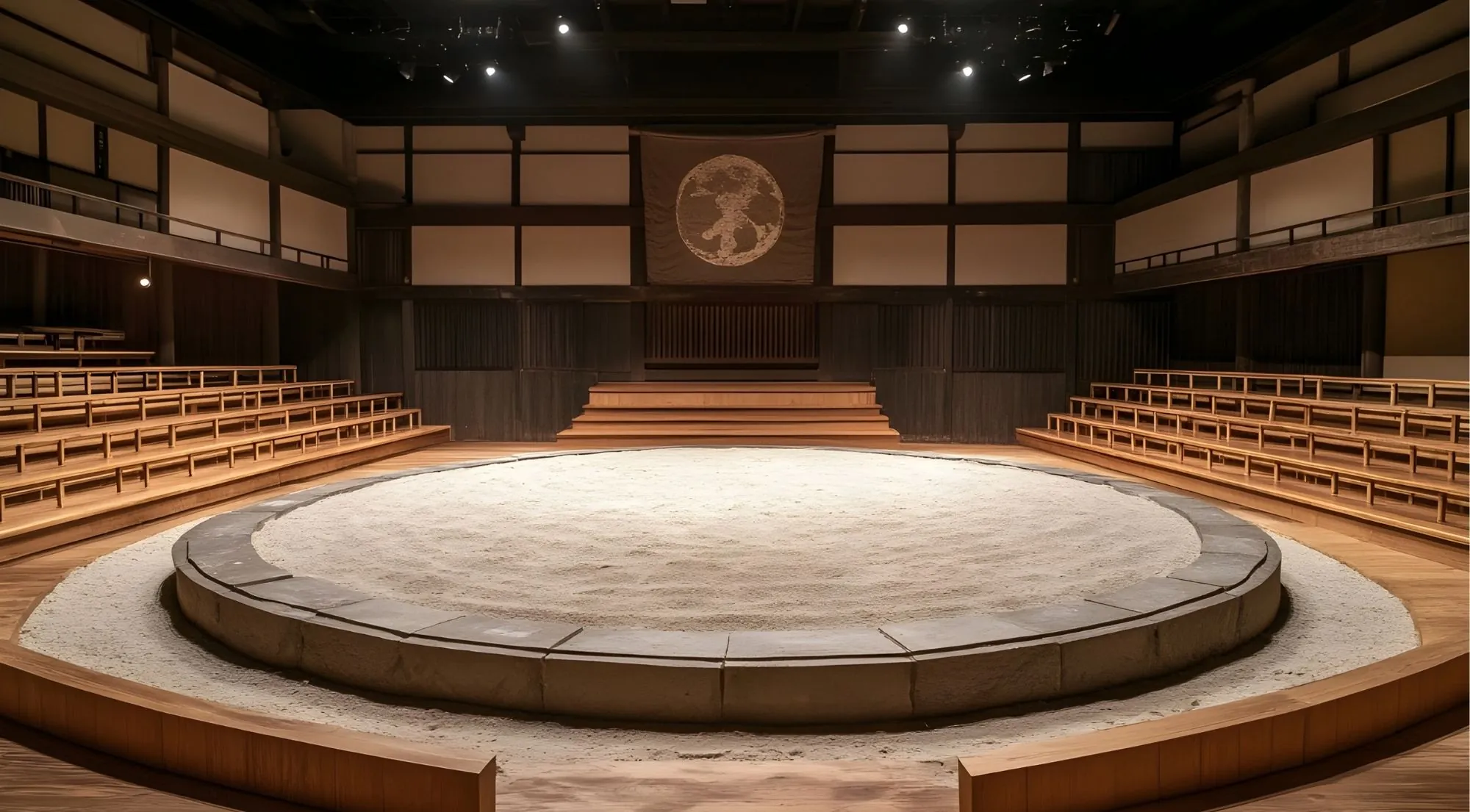
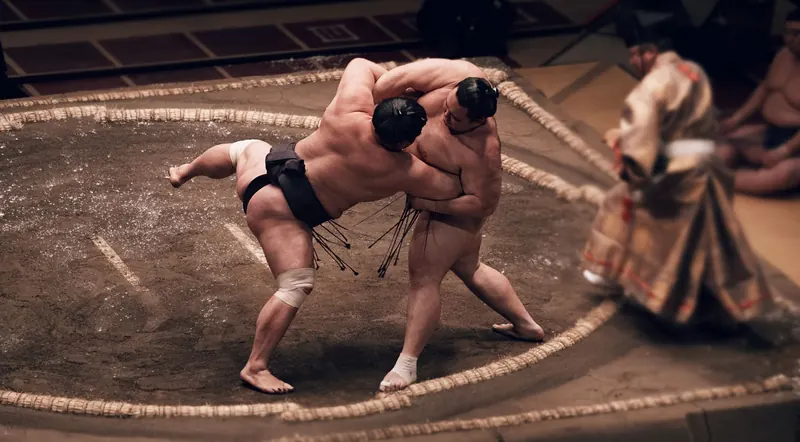
The elevated, straw-bordered ring where every bout is fought and won — stepping (or being forced) outside it, or touching the ground with anything but your feet, ends the match.
Rikishi
A sumo wrestler. Professional rikishi live and train together in a heya (stable), following a strict daily routine of practice, meals, and rank-based duties.
Basho
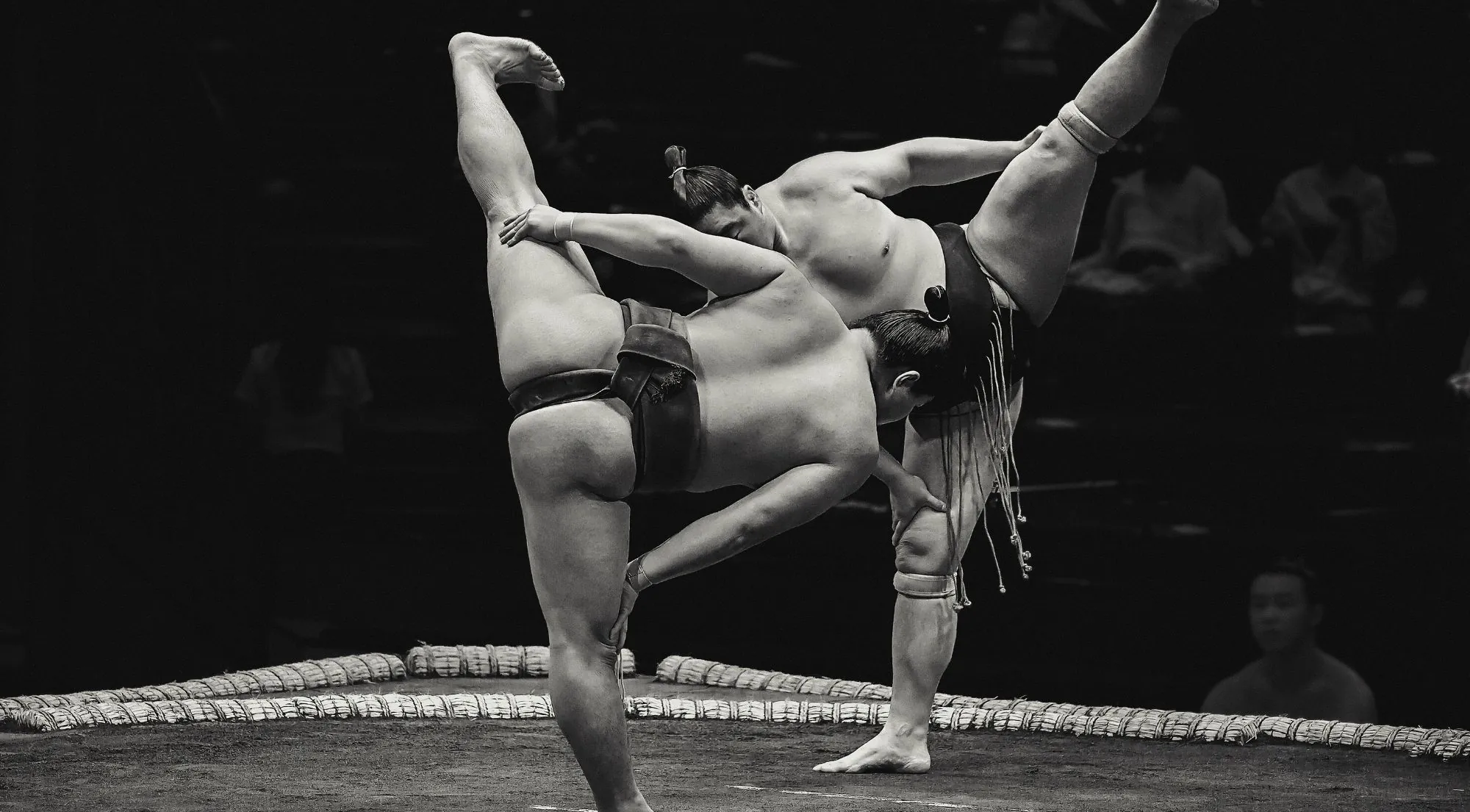
A honbasho, or Grand Sumo Tournament — 15 consecutive days of competitive matches, held 6 times a year across Tokyo, Osaka, Nagoya, and Fukuoka.
Chanko-Nabe
The wrestler's communal hot-pot meal — broth, vegetables, tofu, and protein shared at the table, historically eaten daily to build the caloric bulk sumo training demands.
The Complete Picture
There Isn't One 'Best' Sumo Experience — There Are Four
Most sumo content online is either a dry history lesson or a single tour's sales page. Here's what actually differs between your options — cost, authenticity, and how far ahead you need to plan.
Search “sumo in Japan” and you’ll mostly find two kinds of pages: a Wikipedia-style history lesson on rankings and rituals, or a single tour operator’s booking page dressed up as an article. Neither one tells you the thing that actually matters for planning a trip — that there are four genuinely different ways to encounter sumo as a traveler, and which one is right for you depends on your dates, your budget, and how “hands-on” you want to get.
The Grand Tournament Calendar — Why It’s Not as Simple as “Just Go”
Professional sumo runs on a fixed six-tournament calendar. Each honbasho (Grand Sumo Tournament) lasts exactly 15 consecutive days, and the six of them rotate through four cities: Tokyo hosts three (January, May, and September, all at Ryogoku Kokugikan), Osaka hosts one in March at EDION Arena Osaka, Nagoya hosts one in July, and Fukuoka hosts one in November at the Fukuoka Kokusai Center.
The July 2026 Nagoya tournament is worth flagging specifically: it’s held at the new IG Arena, which opened in 2025 (designed by architect Kengo Kuma) as a replacement for the venue’s 60-year-old predecessor. It’s the largest dedicated tournament venue outside Ryogoku, with a maximum capacity of around 17,000.
One honest correction worth making up front: some general travel guides list Yokohama as a sumo tournament city. It isn’t — Yokohama has never hosted a honbasho. If you’re based in Yokohama, the closest genuine sumo experience is actually the hands-on lesson tour based in nearby Kawasaki (see below), not a tournament in Yokohama itself.
Because each tournament runs only 15 days, six times a year, in one of four specific cities, your travel dates either line up with a live tournament or they don’t. And even when they do, seats for the popular days — weekends, and especially the final days of a basho, when the yusho (championship) is decided — sell out well ahead of time. That’s the real reason a guided ticket product with a sanctioned seating allocation has genuine value beyond convenience: it removes the risk of showing up in the right city on the right dates and still not getting in.
If Your Dates Don’t Line Up: The Sumo Show
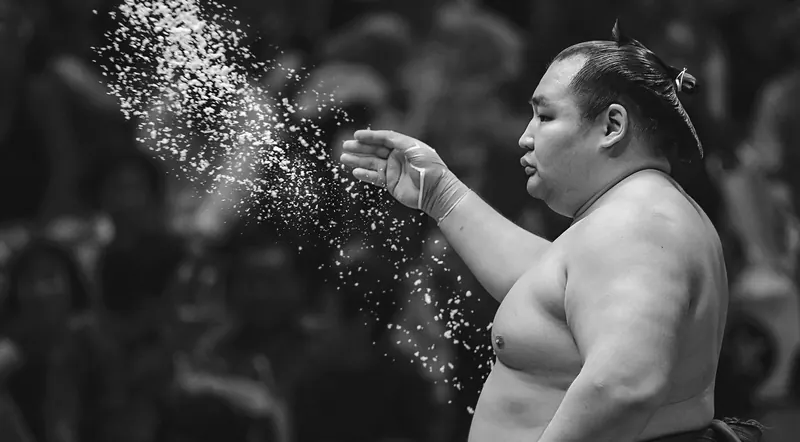
For the other roughly 350 days of the year in any given city, a sumo show is the reliable alternative — a live demonstration of real sumo technique, hosted year-round by a dedicated venue rather than by the Japan Sumo Association. You’ll watch current or former wrestlers perform the full ritual sequence (the shiko leg-stomps, the salt-throwing purification, the tachiai opening charge) and spar in genuine, if non-competitive, bouts, usually with an English-speaking MC explaining what you’re seeing as it happens.
The cultural anchor of most sumo shows is chanko-nabe — the wrestler’s communal hot-pot meal, a simmering pot of broth, vegetables, tofu, and protein historically eaten daily to build the caloric bulk professional sumo demands. Several show tours build a chanko-nabe lunch or dinner directly into the ticket, which turns the show into as much a food experience as a spectator one.
The Insider Option: Morning Practice
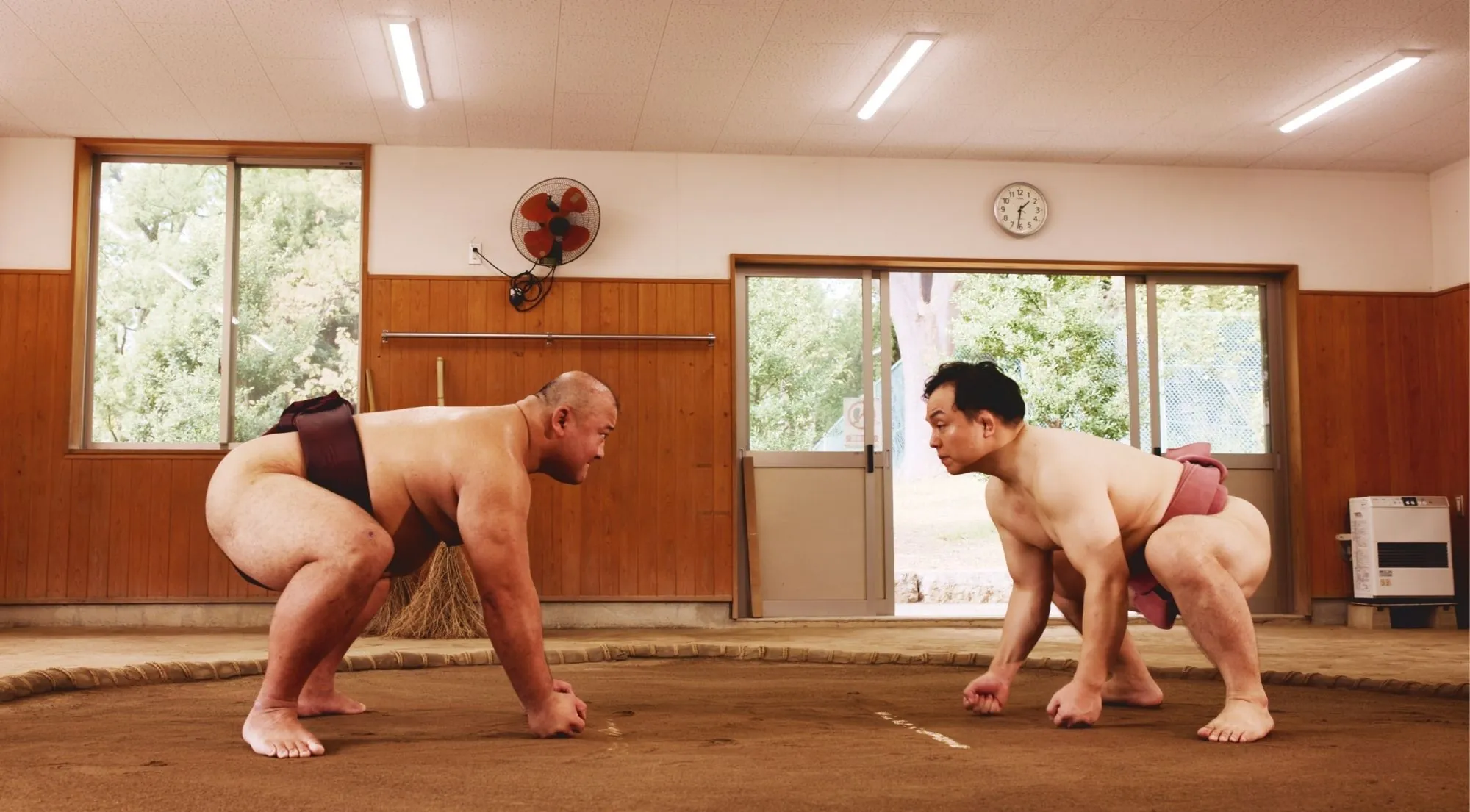
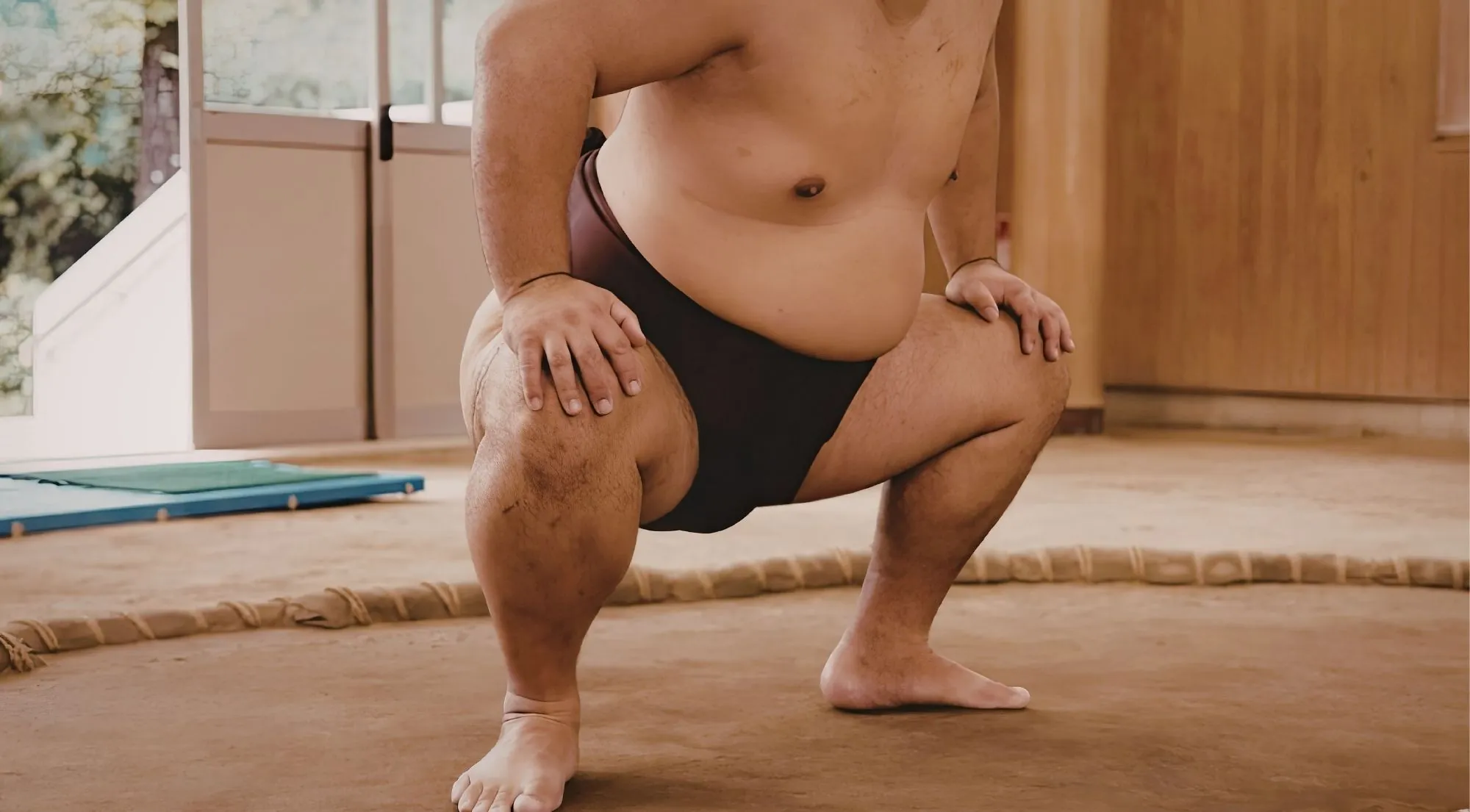
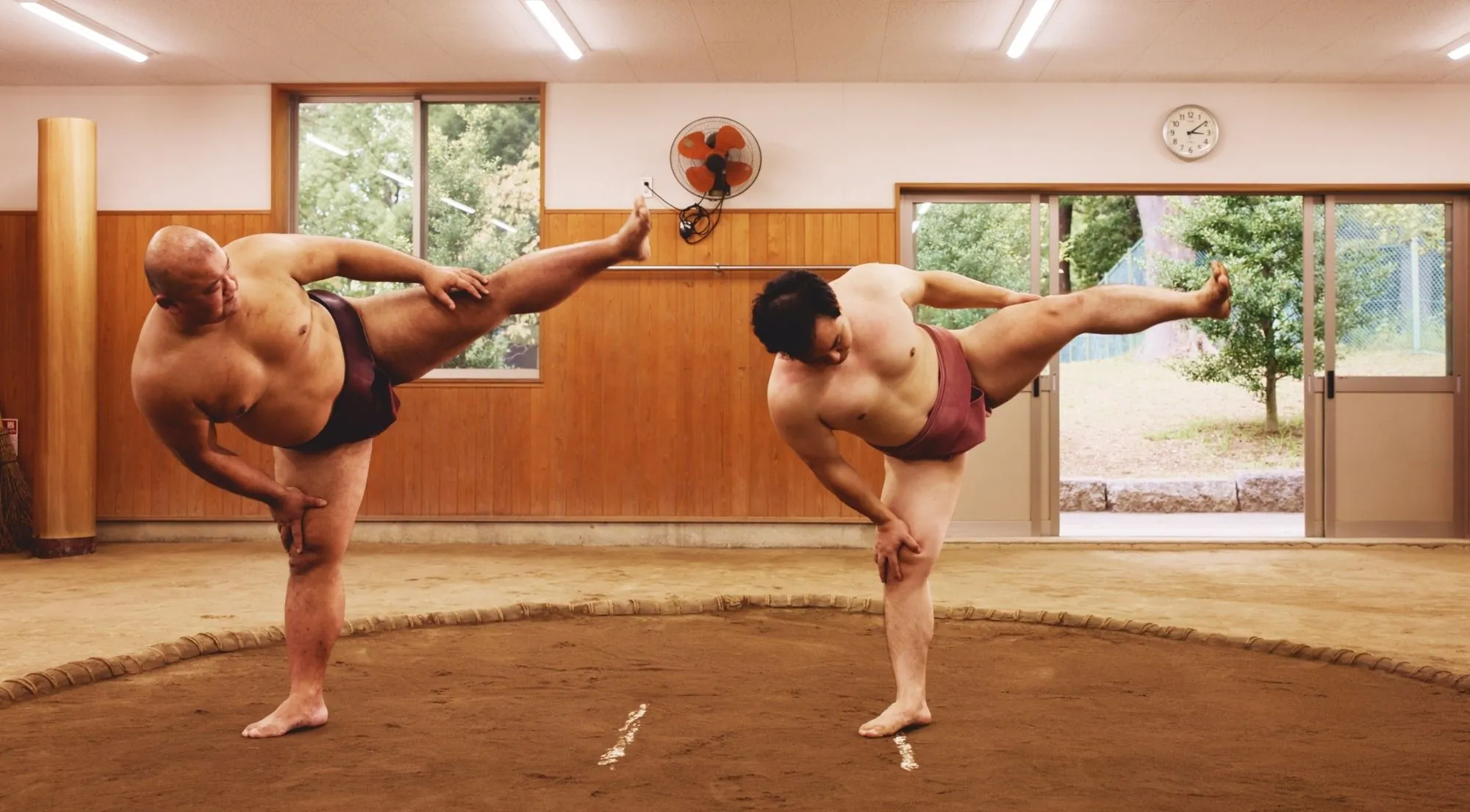
Watching keiko — a sumo stable’s morning training session — is the closest most travelers will ever get to the sport: often just a few feet from wrestlers running through shiko stretches, tachiai drills, and full-contact grappling in the same room they train in every day, long before the public ever sees them compete.
Here’s the honest version of how access actually works: some individual stables allow free or reservation-only visits arranged directly, informally continuing a tradition that traces back to the historical chaya (teahouse) system that once brokered access to sumo culture more broadly. That route requires Japanese-language contact, real etiquette knowledge (absolute silence, no flash photography, arriving early), and no guaranteed outcome on any given morning. Most casual, first-time visitors instead go through a tour operator — not because it’s the only way in, but because it trades some of that uncertainty for a fixed schedule and reliable access, which matters if you’ve only got one Tokyo morning to spare.
For Travelers Who Want to Try It Themselves
The fourth option skips spectating altogether: a hands-on lesson where you learn the actual stance and movements of sumo, safely, guided by a real former professional wrestler. Expect foundational training first — footwork, the crouch, the tachiai charge — followed by the chance to try a light, supervised bout yourself. It’s the most physically involved of the four options, and the one that turns “watching sumo” into “having done sumo,” even briefly.
A Note on How This Site Works
Every experience linked from this site is a real, bookable product from an established Japan-based tour operator or show venue, listed on GetYourGuide with verified guest reviews. None of the eight tours featured here are sold directly by the Japan Sumo Association’s own box office — they’re licensed operators holding sanctioned seating allocations, or venues hosting their own entertainment programs. We say so plainly throughout the site, because knowing exactly what you’re booking — and from whom — is part of making the right call for your trip.
Compare all 4 experience types below, or jump straight to tournament tickets, a sumo show, morning practice, or a hands-on lesson.
For deeper context on the sport itself, our complete guide to sumo wrestling in Japan covers history, rules, rankings, and rituals — and our guide to watching sumo in Tokyo goes into venue details, ticket prices, and year-round alternatives. Planning a visit to the arena itself? Our Ryogoku Kokugikan venue guide covers seating, day-of logistics, and the full Ryogoku district — and our sumo tickets guide walks through every buying option, seat type, and scam to avoid.
Traveling to western Japan? Our guide to sumo in Osaka covers the March Haru Basho at EDION Arena, year-round sumo shows in Namba, and chanko-nabe dining near the venue. Heading to Nagoya in July or Fukuoka in November? Our guide to sumo in Nagoya and Fukuoka covers both regional tournaments — the new IG Arena, the intimate Fukuoka Kokusai Center, ticket prices, and what to do in each city around the basho. Staying in Tokyo and not able to catch a tournament? Our sumo dinner shows and chanko-nabe guide covers the best year-round shows — Hirakuza Ginza, Asakusa Sumo Club, Yokozuna Tonkatsu in Ryogoku — plus where to eat authentic chanko-nabe and how to choose between them.
Photo Gallery
Sumo in Japan — Through the Lens
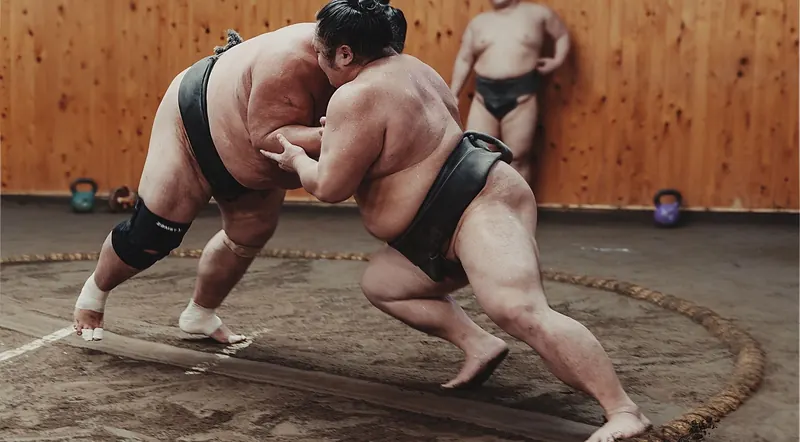
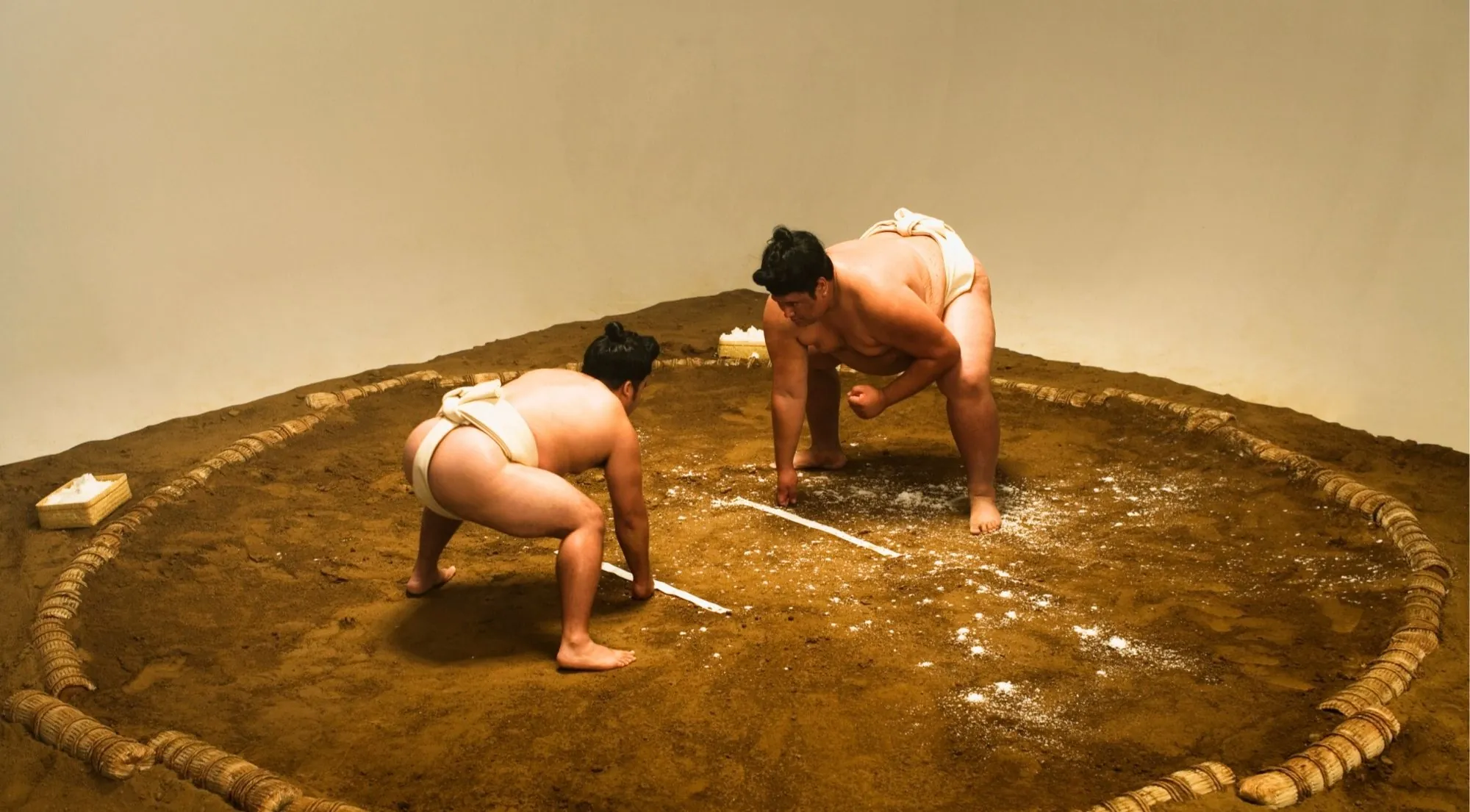
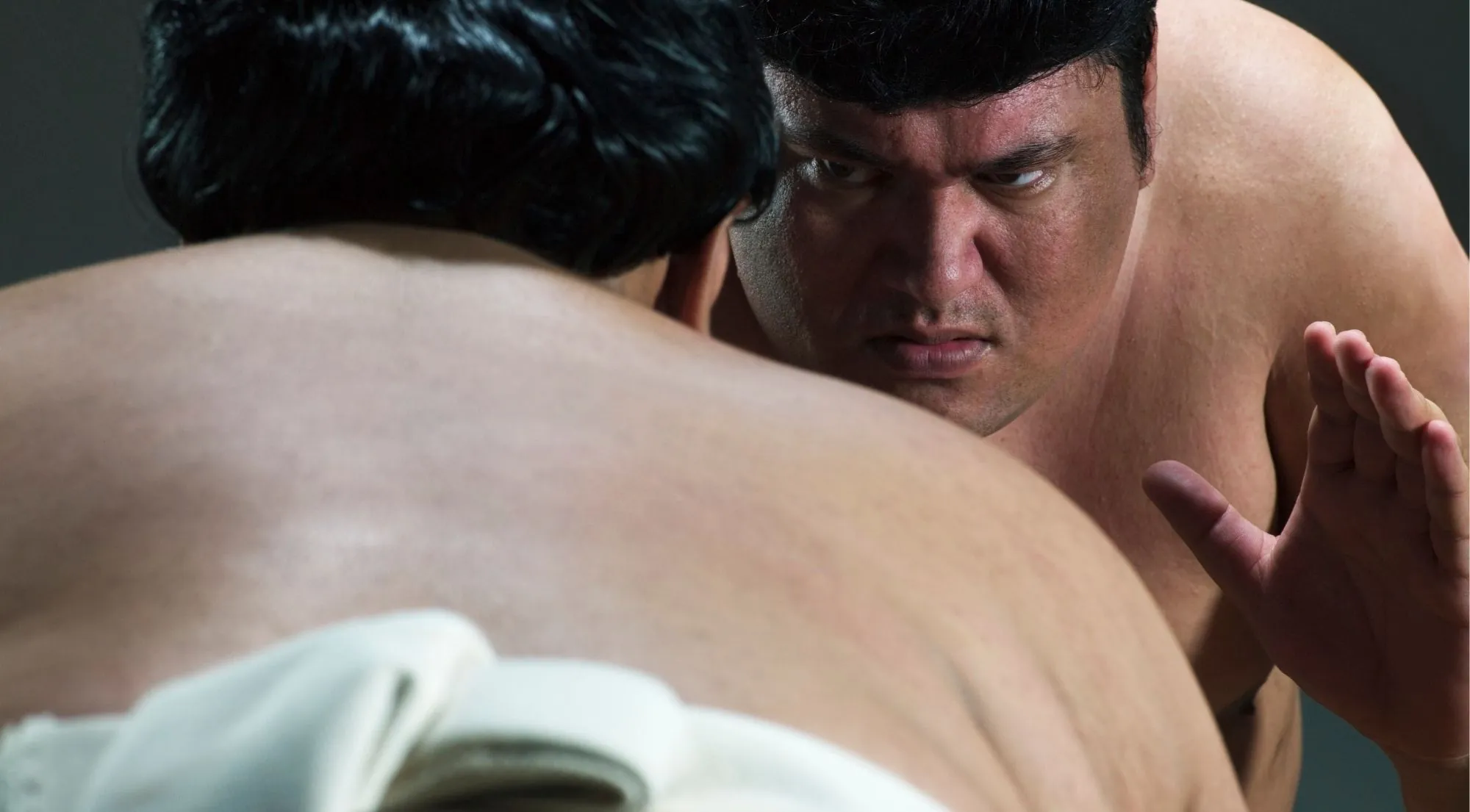
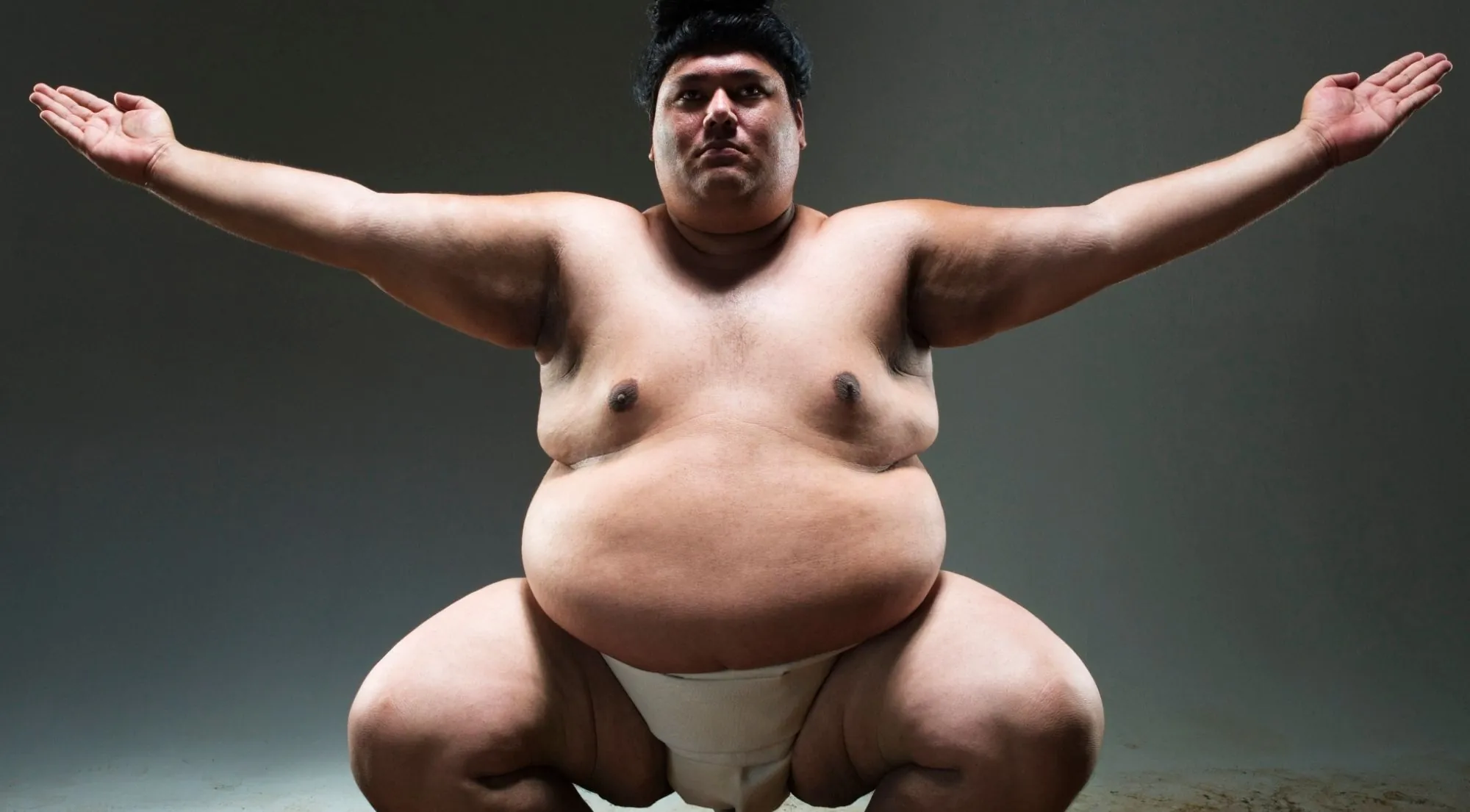
The dohyo, the ritual, and the wrestlers — from pre-dawn practice stables to live tournament day.
Frequently Asked Questions About Sumo in Japan
General questions about seeing sumo as a traveler — for experience-specific questions, see each section's own FAQ.
A Grand Sumo Tournament (honbasho) is the real, professionally ranked competition — it only happens 6 times a year, 15 days each, rotating between Tokyo, Osaka, and Nagoya and Fukuoka, and top-division bouts decide actual rankings. A sumo show (like the ones in Shinjuku or Osaka) is a year-round entertainment program hosted by a private venue — you'll see live sparring by current or former wrestlers, hear a full explanation of the rules and rituals, and on most shows you can even challenge a wrestler yourself. Both are genuine sumo, but only the tournament is competitive sport with a live crowd and real stakes. See our full comparison for more detail.
For a Grand Sumo Tournament, yes — seats for popular days (weekends, the final days of a 15-day basho) sell out well ahead of time, and there's no guarantee of same-day availability at the box office. A guided ticket product with a sanctioned seating allocation removes that uncertainty. Sumo shows, morning practice visits, and hands-on lessons run more predictably year-round, but still book ahead for your preferred date and time slot, especially in peak travel season. For a full overview of all four ways to experience sumo, see our complete sumo guide, and for a step-by-step breakdown of exactly where to buy, what seats cost, and how to avoid scams, see our sumo tickets guide.
Yes for shows and some morning-practice visits — several of the tours on this site are explicitly family-friendly, with lower child pricing and kid-appropriate seating. Grand Sumo Tournaments are a full afternoon of seated spectating, which younger children may find long. Hands-on lesson experiences usually have a minimum age requirement (commonly around 6 years old) since they involve physical contact drills.
Women are welcome as spectators at tournaments, shows, and morning-practice sessions without restriction. The dohyo (wrestling ring) itself is traditionally reserved for male wrestlers in professional sumo, and some hands-on 'step into the ring' experiences are structured around that convention — check the specific tour's inclusions if this matters for your booking, since a small number of hands-on formats may differ.
Comfortable clothing you can sit in for a few hours (tournaments) or move around in (lessons). For morning practice visits, dress modestly and quietly — flash photography and talking during training are not allowed. For hands-on lessons, workout-friendly clothing is a good idea; some tours provide or expect you to bring specific items, so check your confirmation email.
It depends on the format: a sumo show with chanko-nabe dining starts around $58–65 per person, morning practice visits start around $86, hands-on lessons start around $166, and guided Grand Sumo Tournament seats start around $186 (tournament tickets cost more because they include an admission fee to a real sporting event, not just a venue-entry fee). All prices shown on this site are our best USD estimate based on the operator's own listed pricing. For a venue-by-venue seat price breakdown at Tokyo's Ryogoku Kokugikan, see our guide to watching sumo in Tokyo or our dedicated Ryogoku Kokugikan venue guide.
Chanko-nabe is the communal hot-pot meal wrestlers eat daily to build the caloric bulk their training demands — a simmering pot of broth, vegetables, tofu, and protein shared at the table, historically standard fare in every sumo stable's kitchen. Several sumo shows and lesson tours on this site include a chanko-nabe lunch as part of the experience. For a full guide to the best sumo dinner shows and authentic chanko-nabe restaurants in Tokyo — including Ryogoku's Chanko Kirishima and Chanko Kawasaki — see our sumo dinner shows and chanko-nabe Tokyo guide.
No. This site is an independently curated guide that links to sumo-related experiences listed on GetYourGuide from vetted, reviewed tour operators and show venues — it is not the Japan Sumo Association's official box office. We're upfront about that distinction throughout the site.
Still have questions? Email us at info@sumo-in-japan.com